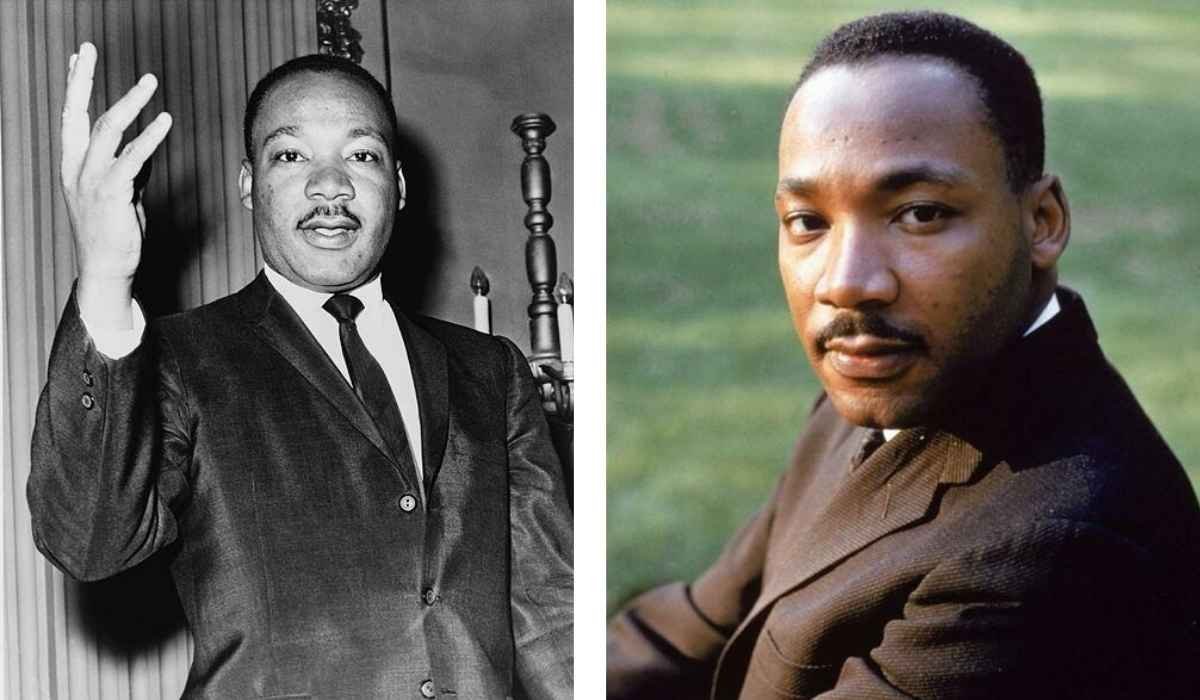
The history of modern social justice and equality is deeply shaped by the monumental contributions of Martin Luther King, who emerged as a beacon of hope during one of the most turbulent eras in American history. Born in Atlanta, Georgia, he dedicated his entire life to dismantling systemic oppression, segregation, and racial inequality through peaceful means. His powerful rhetoric, unwavering moral compass, and strategic activism mobilized millions of citizens across the nation to demand basic human rights and dignity. Today, his profound vision continues to inspire global movements, serving as a timeless reminder that persistent love, unity, and courage can overcome injustice.
Introduction to Early Life and Family Background
The formative years of Martin Luther King played a crucial role in shaping his worldview and preparing him for a life of profound leadership. Growing up in a supportive household centered around faith and community service, he developed a sharp intellect and a deep sense of empathy for the marginalized. His father served as a prominent pastor, instilling strong spiritual values that would later guide every campaign he undertook. Witnessing early instances of racial prejudice left an indelible mark on his young mind, sparking a lifelong commitment to fighting discrimination. Family traditions and theological teachings provided a solid foundation, ensuring he was well-equipped to face the immense challenges ahead in his historic journey.
Educational Journey and Academic Pursuits
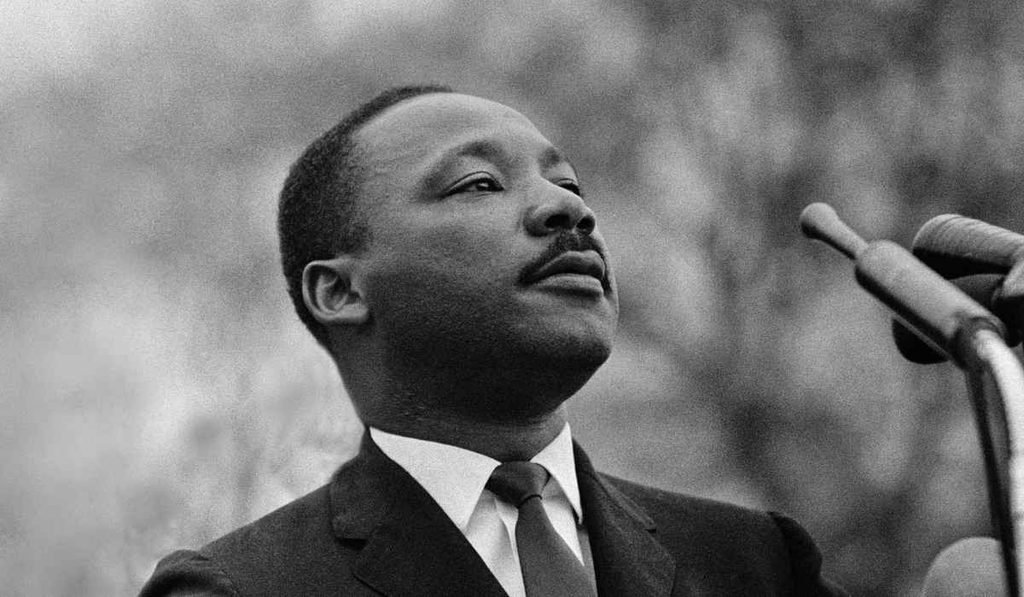
Academic excellence defined the intellectual evolution of Martin Luther King as he pursued higher education with remarkable dedication and zeal. He entered college at an unusually young age, immersing himself in sociology, philosophy, and theology to better understand the root causes of societal divisions. During his studies, he encountered various philosophical frameworks, yet he found the deepest resonance in the theological principles of justice and love. Earning advanced degrees allowed him to articulate complex moral arguments with clarity and persuasive force, bridging the gap between academic theory and practical grassroots activism. This rigorous intellectual preparation enabled him to engage with intellectual adversaries and institutional leaders on equal footing.
Discovery of Nonviolent Philosophy and Principles
A pivotal turning point occurred when Martin Luther King deeply explored the teachings and peaceful methodologies championed by Mahatma Gandhi. He realized that passive resistance was not a sign of weakness, but rather a courageous and potent weapon for social transformation. By blending Christian doctrine with Gandhian tactics of civil disobedience, he formulated a unique blueprint for confronting oppressive laws without resorting to hatred or physical retaliation. This philosophy emphasized absorbing violence rather than inflicting it, thereby exposing the moral bankruptcy of segregationist systems. Embracing this strategy allowed him to maintain high moral ground, winning the respect of onlookers worldwide and disarming hostile opponents through profound spiritual discipline.
Leadership in the Montgomery Bus Boycott
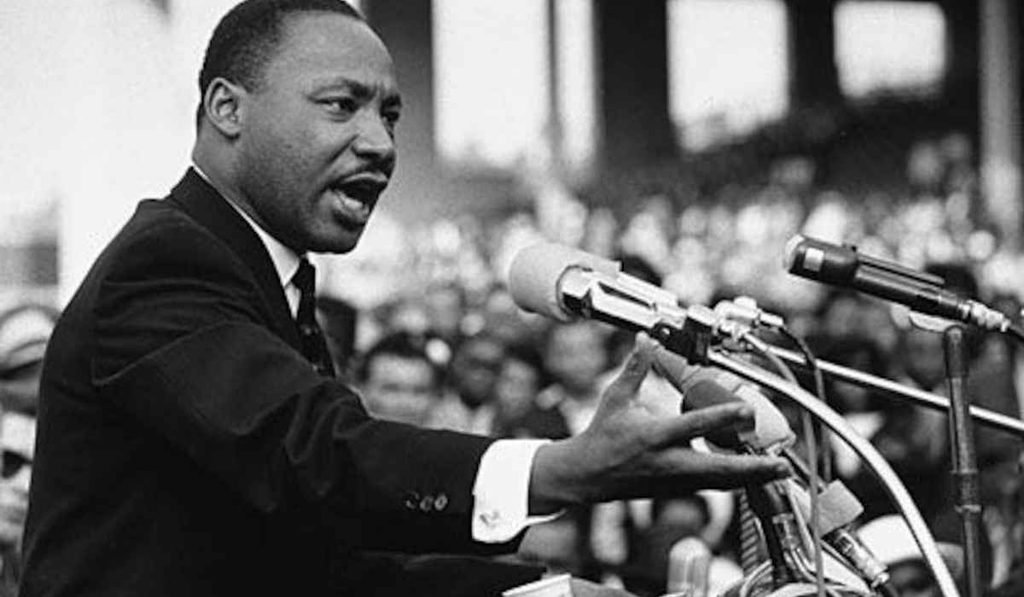
The national prominence of Martin Luther King truly began during the historic Montgomery bus boycott, which lasted for over a year. Appointed to lead the protest at a young age, he galvanized the local African American community to successfully challenge segregated public transportation systems through organized carpools and sheer determination. Despite facing constant threats, bombings, and legal harassment, he remained steadfast, delivering inspiring speeches that sustained the morale of exhausted participants. This hard-fought victory proved that organized economic pressure and nonviolent unity could dismantle entrenched municipal laws, signaling a definitive dawn for the broader civil rights movement across the American South.
Founding the Southern Christian Leadership Conference
To expand the scope of localized protests into a synchronized regional crusade, Martin Luther King co-founded the Southern Christian Leadership Conference. This organization served as an institutional powerhouse, coordinating grassroots efforts, training activists in nonviolent resistance, and strategizing campaigns across multiple states. Traveling extensively, he united church networks and civic groups under a common banner of liberation and equality. The leadership conference provided vital logistical support and strategic direction, allowing civil rights advocates to challenge discriminatory practices systematically. Through this vehicle, he fostered solidarity among diverse communities, amplifying the collective voice of those who had long been silenced by institutional barriers.
The Albany Movement and Strategic Lessons
Navigating the complexities of social reform involved facing tactical setbacks, most notably during the high-profile mobilization known as the Albany Movement. Despite meticulous planning and widespread community participation, entrenched local opposition and fragmented strategies yielded limited immediate desegregation victories. However, Martin Luther King viewed this campaign as an invaluable learning experience rather than a total failure. Analyzing the shortcomings helped his team refine future tactical approaches, emphasizing the importance of targeting specific local injustices rather than broad systemic targets all at once. These critical lessons ultimately paved the way for more focused, high-impact campaigns in subsequent years.
The Birmingham Campaign and Economic Pressure
The fierce battle in Birmingham, Alabama, marked a watershed moment where Martin Luther King and his allies confronted intense municipal opposition head-on. Faced with aggressive police tactics, water hoses, and mass arrests, the resilience of the protesters exposed the brutal reality of segregation to national television audiences. While detained in a local jail, he penned a legendary letter defending the moral necessity of breaking unjust laws in pursuit of true freedom. The immense pressure generated by this campaign forced local business owners and city officials to negotiate desegregation agreements, proving the undeniable efficacy of direct, nonviolent action in transforming urban landscapes.
Crafting the Letter from Birmingham Jail
Imprisoned under harsh conditions, Martin Luther King composed an enduring literary masterpiece that articulated the philosophical underpinnings of the civil rights struggle. Addressed to moderate clergymen who urged patience, the text famously asserted that injustice anywhere is a threat to justice everywhere. He outlined the four basic steps of a nonviolent campaign and expressed disappointment with those who preferred order over substantive justice. This profound document quickly transcended its immediate context, becoming a staple of ethical literature and a universal defense of civil disobedience, human rights, and the moral imperative of immediate social reform.
The Historic March on Washington
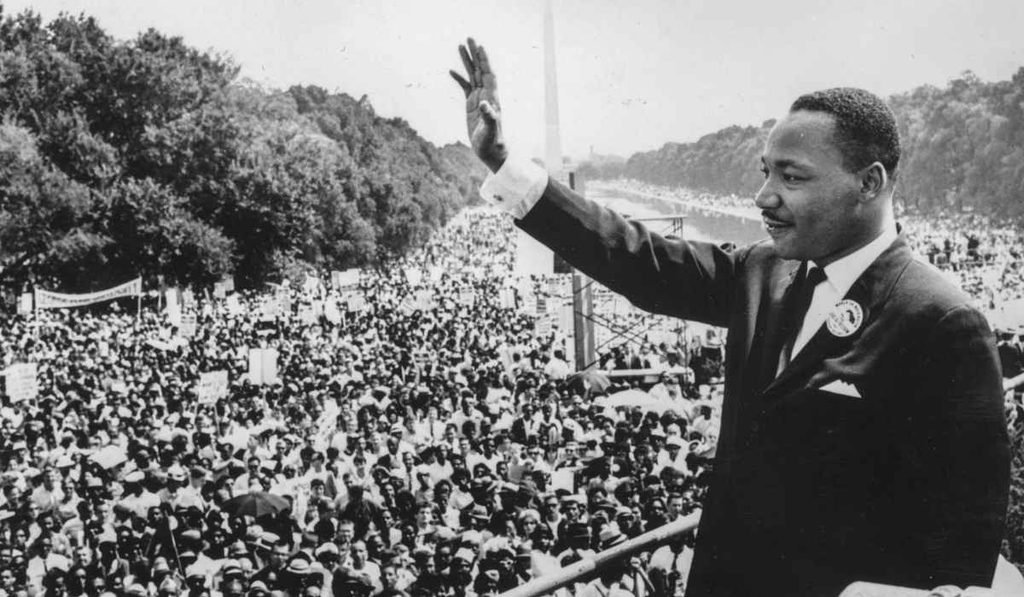
Millions watched in awe as Martin Luther King stood before the Lincoln Memorial to anchor the monumental 1963 March on Washington for Jobs and Freedom. Drawing massive crowds from all walks of life, the demonstration showcased unprecedented solidarity and peaceful resolve on a national stage. His legendary delivery painted a vivid picture of a harmonious future where children would be judged by the content of their character rather than the color of their skin. This defining address galvanized political support for federal legislation, permanently altering the national consciousness and cementing his status as a transcendent moral leader of the twentieth century.
Delivering the I Have a Dream Speech
The soaring rhetoric of the I Have a Dream address by Martin Luther King remains one of the most celebrated moments in human history. Infused with biblical cadence and patriotic ideals, the speech resonated deeply with listeners across racial, political, and geographical divides. By invoking prophetic imagery of freedom ringing from every mountaintop, he transformed a political rally into a spiritual awakening for the entire nation. The enduring power of these spoken words continues to inspire legislative efforts, educational curricula, and individual aspirations toward genuine equality, mutual respect, and universal brotherhood across modern global societies.
Triumph of the Civil Rights Act of 1964
Relentless advocacy and massive public pressure spearheaded by Martin Luther King culminated in the landmark passage of the Civil Rights Act of 1964. Signed into law by the president, this historic legislation legally prohibited discrimination based on race, color, religion, sex, or national origin in public places and employment. It dismantled official Jim Crow barriers that had mandated segregation for generations, validating the sacrifices of countless activists who endured violence and imprisonment. Although legislative victory did not instantly erase societal prejudice, it provided a robust legal framework to defend civil liberties and ensure equal access for all citizens.
Receiving the Nobel Peace Prize
Global recognition of his tireless efforts came when Martin Luther King was awarded the prestigious Nobel Peace Prize in recognition of his nonviolent leadership. At a remarkably young age, he accepted the honor on behalf of the millions of ordinary people who marched, sat, and suffered for human dignity. In his acceptance lecture, he emphasized that peace is not merely the absence of tension, but the presence of justice and brotherhood. This international accolade elevated the American civil rights struggle onto the global stage, aligning it with worldwide anti-colonial and human rights movements seeking freedom and peace.
The Selma Voting Rights Marches and Bloody Sunday
Securing unfettered access to the ballot box drove Martin Luther King to organize pivotal demonstrations centered in Selma, Alabama. The initial march faced brutal state trooper violence on a bridge, an event etched into history as Bloody Sunday that shocked the national conscience. Undeterred, he led subsequent attempts, eventually securing federal protection to complete the multi-day march to the state capital. This intense mobilization directly catalyzed the passage of the Voting Rights Act of 1965, removing discriminatory literacy tests and poll taxes that had systematically disenfranchised millions of citizens of color for decades.
Expanding Focus Toward Economic Justice and Poverty
In his later years, the vision of Martin Luther King broadened to tackle the intertwined issues of economic exploitation, urban poverty, and systemic inequality. Recognizing that legal freedom meant little without financial security, he advocated for fair housing, guaranteed jobs, and robust social safety nets for working-class families. This shift demonstrated his holistic understanding of human rights, connecting racial justice directly with economic fairness. By addressing the root causes of poverty across both urban slums and rural towns, he sought to restructure national priorities to ensure that prosperity and dignity were accessible to every single member of society.
Opposition to the Vietnam War and Moral Stance
Taking a courageous and controversial stance, Martin Luther King openly voiced strong opposition to the escalating military conflict in Vietnam. He argued that the war diverted crucial resources away from domestic anti-poverty programs and inflicted immense suffering upon innocent foreign populations. Despite facing heavy criticism from former political allies and mainstream media outlets, he insisted that his commitment to universal nonviolence compelled him to speak out against militarism globally. This principled stand showcased his unwavering dedication to peace, proving that his moral compass extended far beyond national borders to encompass the entire human family.
Planning the Poor People Campaign
Ambition and urgency characterized the final major initiative undertaken by Martin Luther King known as the Poor People Campaign. He envisioned a massive, multi-racial coalition of impoverished Americans descending upon Washington to demand federal economic relief and structural reform. Organizing this ambitious movement required immense logistical coordination, uniting indigenous populations, Mexican Americans, Appalachian whites, and African Americans in shared solidarity. Although he did not live to see the campaign fully executed, the blueprint laid the groundwork for future advocacy addressing income inequality, governmental accountability, and the rights of the nation’s most vulnerable working populations.
The Tragic Assassination in Memphis, Tennessee
Darkness fell upon the nation when Martin Luther King was tragically assassinated on April 4, 1968, while supporting striking sanitation workers in Memphis. His untimely death at the age of thirty-nine sent waves of profound grief, shock, and widespread civil unrest across cities throughout the world. While the bullet silenced his physical voice, it could not extinguish the fiery spirit of the movement he built. Tributes poured in from global leaders, mourning the loss of a visionary prophet of peace whose life was cut short while championing the cause of labor dignity and human rights.
Immediate Legislative Tributes and National Holiday
In the immediate aftermath of his martyrdom, lawmakers honored the memory of Martin Luther King by swiftly passing vital housing legislation and establishing permanent national tributes. Decades of grassroots lobbying eventually resulted in the creation of a federal holiday dedicated to his birthday, making him the only private citizen commemorated with such a distinction in the United States. This annual observance serves as a national day of service, encouraging citizens to engage in volunteerism and community betterment. Memorial statues, including a prominent monument on the National Mall, continue to stand as enduring symbols of his timeless impact on democracy.
Global Cultural Impact and International Legacy
Across continents and generations, the philosophy and actions of Martin Luther King have deeply influenced international human rights struggles, anti-apartheid movements, and democratic revolutions. His writings and speeches are studied worldwide as masterclasses in strategic nonviolent resistance and moral leadership. Activists from diverse cultures look to his legacy for guidance when confronting oppression, tyranny, and social injustice in their own lands. By proving that moral force can dismantle physical tyranny, he reshaped the trajectory of modern civilization, leaving an immortal imprint on the collective human quest for freedom and equality.
Comprehensive Historical Summary and Ongoing Relevance
Examining the extraordinary life of Martin Luther King reveals a journey of relentless dedication, spiritual fortitude, and visionary leadership that permanently transformed human society. His ability to articulate the highest ideals of democracy while confronting its deepest flaws remains a gold standard for civic engagement and ethical responsibility. Although immense challenges remain in achieving true equity, the foundational blueprints he provided continue to guide modern advocates toward a more just future. For deeper historical context regarding his monumental life, accomplishments, and cultural footprint, you can read more on Martin Luther King Jr..
FAQs
- What was the birth name of Martin Luther King?
- He was born Michael King Jr. before his name was officially changed to honor the German reformer.
- Which major award did he receive in 1964?
- He was awarded the Nobel Peace Prize for his steadfast leadership in nonviolent civil rights campaigns.
- Where did he deliver his famous I Have a Dream speech?
- He delivered the iconic address in front of the Lincoln Memorial during the 1963 March on Washington.
- When is the federal holiday observed in his honor?
- The federal holiday is observed annually on the third Monday of January.
- What was the primary cause of his tragic death?
- He was assassinated by a gunshot wound in Memphis, Tennessee, on April 4, 1968.