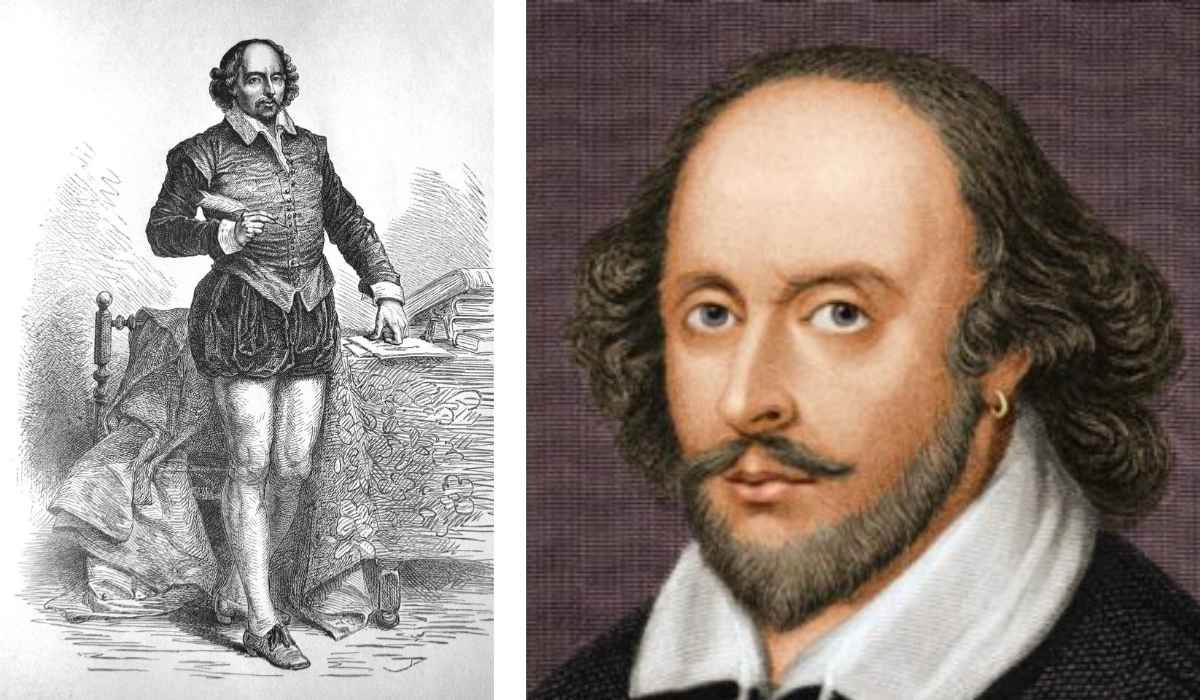
William Shakespeare remains an extraordinary cultural touchstone whose profound literary contributions continue to shape modern storytelling, language, and dramatic arts across the entire globe. Born in the quiet market town of Stratford-upon-Avon during the sixteenth century, this legendary writer ascended to unprecedented heights within the vibrant London theater scene. His incredible body of work encompasses dozens of theatrical masterpieces, beautiful lyrical poetry, and intricate sonnets that capture every single nuance of the complex human condition.
Generations of scholars, actors, and casual readers alike have continuously analyzed his unforgettable verses to uncover deeper layers of philosophical meaning. Today, his enduring influence permeates modern education, global theatrical performances, and everyday vernacular expressions that trace their origins directly back to his brilliant imagination. Exploring his historical journey offers a fascinating glimpse into the Elizabethan and Jacobean eras of artistic evolution.
Quick Bio Overview
| Feature | Description |
|---|---|
| Full Name | William Shakespeare |
| Birth Date | c. 23 April 1564 |
| Death Date | 23 April 1616 |
| Profession | Playwright, Poet, Actor |
| Spouse | Anne Hathaway |
| Notable Works | Hamlet, Macbeth, Romeo and Juliet |
Early Life and Roots in Stratford
Growing up as the son of a successful local tradesman, William Shakespeare experienced a traditional provincial upbringing that deeply influenced his future worldview and creative perspectives. Historical records indicate that he likely attended the local grammar school where students immersed themselves heavily in classical literature, ancient history, and rigorous Latin grammar exercises.These formative academic experiences provided him with a robust foundation that later fueled the rich mythological and historical allusions woven seamlessly throughout his theatrical scripts.Although details regarding his childhood remain somewhat scarce, local archives paint a vivid picture of a bustling community filled with traveling troupes and lively seasonal festivals. These early exposures to performance art undoubtedly planted the initial seeds for his lifelong passion for the stage.
Marriage and Family Foundations
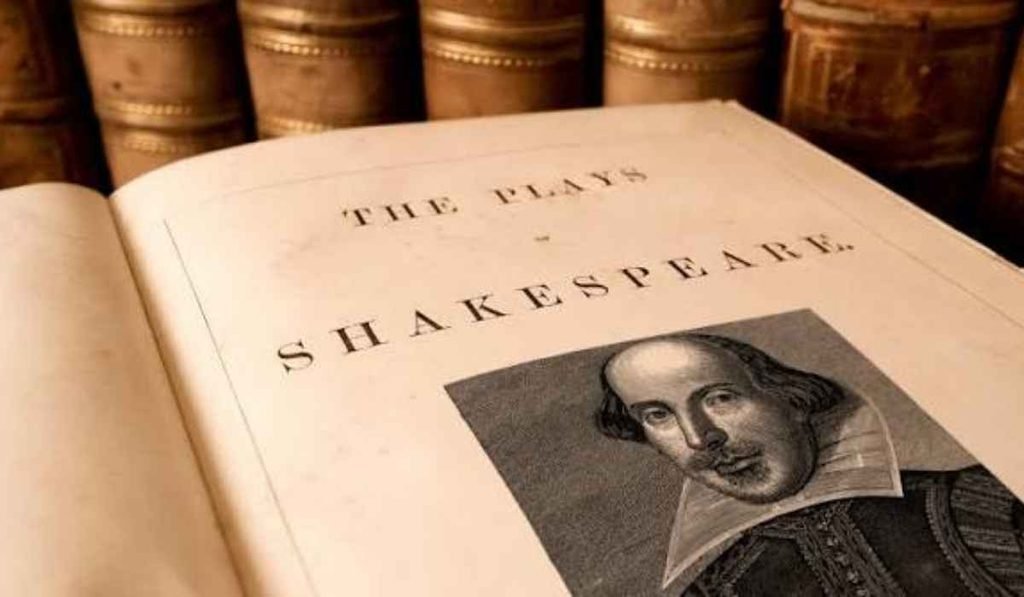
At the young age of eighteen, William Shakespeare entered into matrimony with Anne Hathaway, establishing a household that would soon expand with the arrival of three children. Their first daughter Susanna was born shortly after the wedding, followed later by the birth of twins named Hamnet and Judith. Family life in Stratford provided a stable anchor while the ambitious young creator eventually sought greater professional opportunities within the bustling metropolis of London.
Tragically, his only son Hamnet passed away during childhood, leaving a profound emotional impact that many literary analysts believe resonated deeply within his later tragic compositions. Despite frequent prolonged absences due to his theatrical commitments in the capital, he maintained strong property ties and continuous personal connections to his native hometown.
The Mysterious Lost Years
The transitional period separating his early life in Stratford from his established success in London is famously referred to by historians as the lost years. During this specific timeframe, documentation regarding the daily activities and whereabouts of William Shakespeare vanishes almost entirely from contemporary civic and legal archives. Scholars have proposed numerous colorful theories ranging from working as a country schoolmaster to traveling with performance troupes or engaging in secretive local legal disputes.
Regardless of how he spent those undocumented months or years, his eventual emergence in the capital showcased an already polished intellect and an acute understanding of human psychology. This mysterious interlude ultimately served as the mysterious crucible from which one of history’s greatest literary talents successfully emerged into the public spotlight.
Arrival and Rise in London
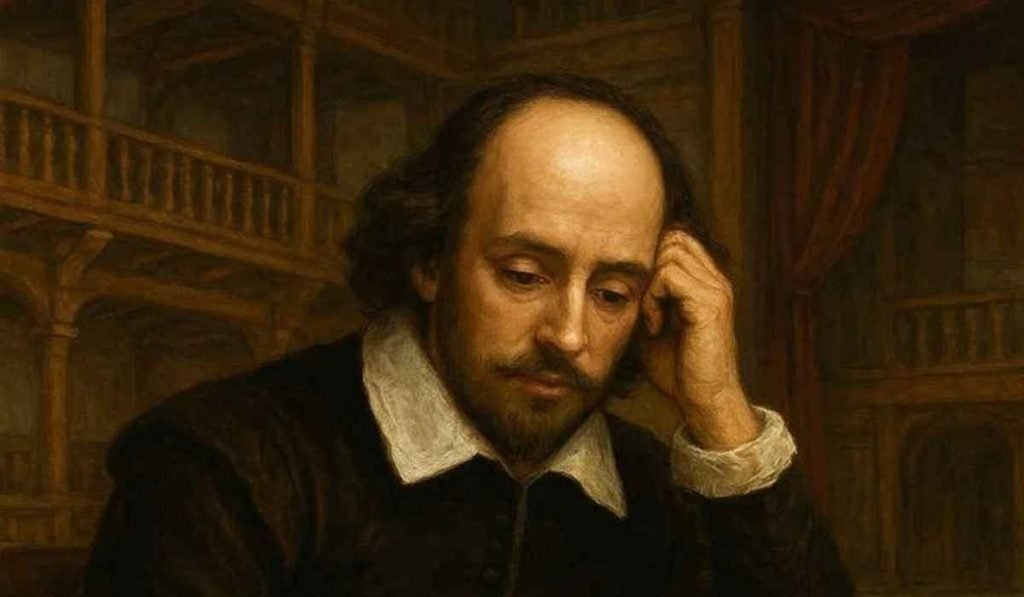
Upon arriving in the vibrant capital, William Shakespeare quickly integrated himself into the competitive and fast-paced environment of Elizabethan commercial theater. Working initially in multiple capacities as both an active performer and a developing writer, he gained invaluable firsthand knowledge of stagecraft mechanics. The London theater scene was exploding with creative energy, offering ambitious creators a unique platform to entertain diverse audiences ranging from royalty to common laborers. His exceptional capacity to craft engaging dialogue and compelling narratives soon caught the attention of influential patrons and fellow theater professionals alike. By embedding himself deeply within this artistic ecosystem, William Shakespeare laid the groundwork for a prolific career that would soon dominate the entire English entertainment landscape.
Collaboration with Acting Companies
A pivotal turning point in his professional journey involved forming a lasting partnership with a prominent playing company known as the Lord Chamberlain’s Men. William Shakespeare functioned not only as their resident dramatist but also as a dedicated part-owner or sharer in the financial success of the enterprise. This unique arrangement granted him unprecedented stability and artistic freedom, allowing him to consistently produce regular theatrical pieces tailored precisely to the strengths of his fellow actors.
Following the ascension of King James, the troupe received royal patronage and was subsequently renamed the King’s Men, further elevating their status. Such long-term institutional loyalty enabled William Shakespeare to focus entirely on honing his craft without worrying about erratic freelance employment or unstable financial support.
Exploring Early Comedies and Histories
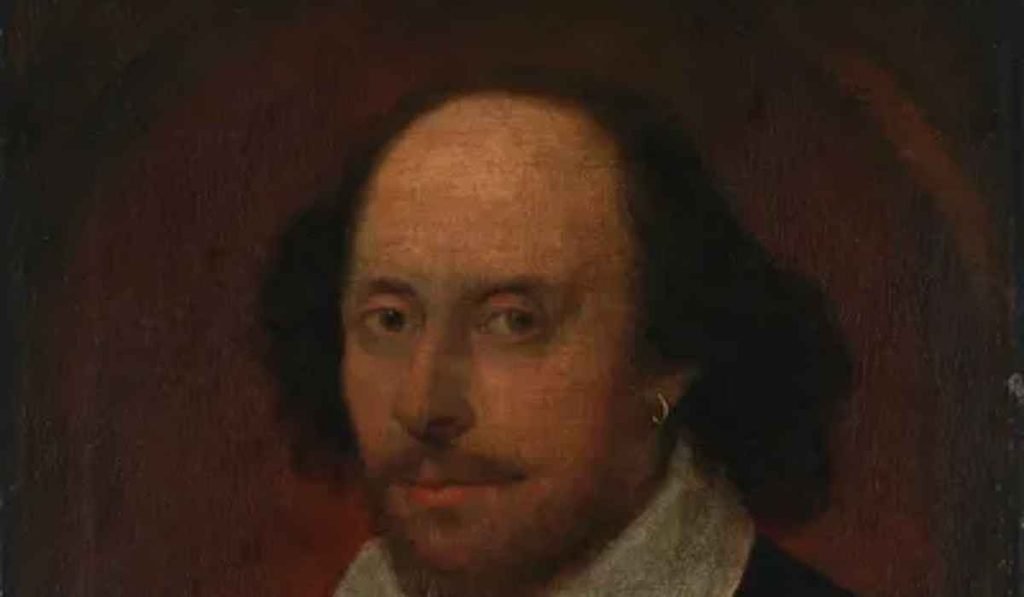
During the initial phases of his writing career, William Shakespeare focused heavily on crafting lighthearted comedies and gripping historical chronicles that thrilled contemporary spectators. Plays such as The Comedy of Errors and Henry VI demonstrated his early mastery of intricate plotting, witty banter, and patriotic storytelling. These early works frequently explored themes of mistaken identity, political corruption, and the chaotic nature of romantic pursuit within structured comedic frameworks. Critics often praise these initial scripts for their sheer vitality and the clever linguistic wordplay that characterized his youthful style. Through these accessible productions, William Shakespeare rapidly built a stellar reputation as a versatile craftsman capable of satisfying the fickle tastes of Elizabethan theatergoers.
The Power of the Sonnets
Beyond his remarkable theatrical achievements, William Shakespeare composed an extraordinary collection of one hundred fifty-four sonnets that redefined lyrical poetry during the Renaissance. These deeply introspective poems explore complex emotional themes including the destructive nature of time, unrequited desire, jealousy, and the immortalizing power of artistic creation. Addressed to mysterious figures such as a enigmatic dark lady and a handsome young nobleman, the verses remain celebrated for their technical brilliance and raw emotional honesty. Scholars continue to debate the biographical authenticity behind these intense poetic expressions, adding an extra layer of intrigue to their enduring popularity. Through these exquisite sonnets, William Shakespeare proved his unmatched capacity to capture the most delicate nuances of human affection and existential dread.
Venturing into Deep Tragedy
As his life experience deepened and political anxieties shifted in England, William Shakespeare transitioned toward writing dark, emotionally shattering tragedies that explored ultimate despair. Masterpieces like Hamlet, Othello, King Lear, and Macbeth probed the absolute depths of human ambition, betrayal, madness, and existential loneliness. Central characters in these gripping dramas grapple with fatal flaws that ultimately lead to catastrophic downfalls, captivating audiences with their agonizing psychological realism. The poetic intensity found within these masterpieces showcases William Shakespeare at the absolute zenith of his creative and philosophical powers. These timeless theatrical investigations into moral ambiguity continue to resonate deeply with modern viewers navigating their own complex internal ethical dilemmas.
Mastering Dramatic Blank Verse
A defining characteristic of the literary output produced by William Shakespeare is his breathtaking mastery of unrhymed iambic pentameter, commonly known as blank verse. This rhythmic poetic structure closely mimics the natural cadence of spoken English while maintaining an elevated artistic dignity that elevates everyday speech into sublime art. By skillfully varying pauses, line breaks, and syllable weights, William Shakespeare managed to reflect the erratic emotional states of his characters directly through their speech patterns. This innovative technical approach allowed actors to deliver lines with dynamic emotional clarity that immediately engaged the listening audience. Consequently, his distinctive voice set a gold standard for dramatic poetry that subsequent generations of English writers have continuously studied and emulated.
Creating Unforgettable Female Characters
Unlike many of his contemporary playwrights, William Shakespeare conceptualized remarkably complex, independent, and intellectually formidable female figures who frequently drove the core plots forward. Characters such as Beatrice, Rosalind, Cleopatra, and Lady Macbeth display agency, sharp wit, and emotional resilience that defied traditional gender stereotypes of the Renaissance era. Even though female roles during that historical period were legally performed entirely by young male actors, the psychological depth written into these parts remains astonishingly rich. William Shakespeare endowed these women with profound internal conflicts, moral authority, and strategic intellect that fundamentally challenged patriarchal limitations. This progressive character development ensures that his dramatic works maintain powerful modern relevance in contemporary feminist literary criticism and theatrical interpretations.
Wealth and Property Investments in Stratford
Financial success within the London commercial theater district enabled William Shakespeare to accumulate substantial wealth and secure significant property investments back in his hometown. He proudly purchased New Place, which was widely recognized as one of the largest and most prestigious residential properties located within Stratford-upon-Avon. Furthermore, he acquired valuable local tithe shares and agricultural land parcels, ensuring long-term financial security for his immediate family members. These strategic business moves illustrate that William Shakespeare was not merely an eccentric artistic genius, but also a highly pragmatic and astute businessman. Balancing urban creative pursuits with rural property ownership allowed him to maintain deep roots in his local community while enjoying elite metropolitan status.
The Late Romances and Tragicomedies
During the final phase of his illustrious professional career, William Shakespeare turned his creative attention toward imaginative tragicomedies often classified as late romances. Plays including The Tempest, The Winter’s Tale, and Cymbeline blend elements of severe suffering with magical reconciliation, forgiveness, and generational healing. These ethereal productions often feature fantastical settings, symbolic storms, and profound meditations on reconciliation, aging, and the passing of time. Critics frequently interpret these late scripts as reflective works wherein William Shakespeare explored themes of parental legacy, redemption, and artistic closure. By fusing dark dramatic tension with ultimately uplifting resolutions, these final masterpieces demonstrated his unwillingness to remain creatively stagnant even in his later years.
Collaborative Ventures with Other Writers
Far from operating as an isolated solitary genius, William Shakespeare frequently engaged in creative collaborations with fellow contemporary dramatists active during the Jacobean era. Projects such as The Two Noble Kinsmen and the lost play Cardeno highlighted his willingness to co-write scripts alongside rising literary talents like John Fletcher. These collaborative efforts reflect the standard operational procedures of early modern playhouses, where rapid production schedules often necessitated shared writing labor. William Shakespeare comfortably mentored younger colleagues while simultaneously absorbing fresh stylistic trends circulating within the competitive London theater market. Such cooperative flexibility underscores his pragmatic professionalism and deep integration within the broader literary community of his active lifetime.
Linguistic Innovation and Coinage
The immense creative output of William Shakespeare permanently expanded the lexical boundaries of the English language by introducing hundreds of entirely new terms and idioms. Words and phrases first appearing in his printed scripts—ranging from everyday expressions to elaborate philosophical descriptors—quickly saturated common public discourse. Rather than adhering strictly to rigid academic vocabulary, William Shakespeare enthusiastically bent grammar rules, combined existing roots, and invented novel contractions to achieve maximum emotional impact. This daring linguistic inventiveness demonstrated his profound ear for popular speech patterns and his desire to push communication to its absolute limits. Consequently, modern English speakers utilize idioms coined by William Shakespeare on a daily basis without even realizing their historical theatrical origins.
Retirement and Final Days in Stratford
Following decades of intense creative output, William Shakespeare chose to step back from active theater life in London and retire permanently to Stratford-upon-Avon. Surrounded by his surviving family members and enjoying the comforts of his grand New Place estate, he spent his final years managing personal business affairs.
He passed away in April 1616 at the age of fifty-two, leaving behind an astonishing cultural inheritance that would continue to grow exponentially after his death. Local civic leaders interred his body within the sanctuary of Holy Trinity Church, where his famous grave marker still draws thousands of international pilgrims annually. Thus, the physical life of William Shakespeare concluded quietly where it began, closing the chapter on history’s most celebrated literary career.
Preservation Through the First Folio
Without the dedicated efforts of his theatrical colleagues, a significant portion of the works written by William Shakespeare might have been permanently lost to history. Several years after his passing, trusted actor friends compiled and published the monumental First Folio in 1623, collecting thirty-eight plays into a single authoritative volume. Without this foundational printing initiative, roughly half of his dramatic catalog—including major masterpieces like Macbeth and The Tempest—would never have survived in written form. Prefatory poems included within the publication praised William Shakespeare not just for an age, but for all time, accurately predicting his immortal status. This crucial editorial preservation effort ensured that future generations could study, perform, and cherish his theatrical vision across subsequent centuries.
Global Legacy and Cultural Impact
Today, the global cultural footprint of William Shakespeare extends far beyond English-speaking classrooms, permeating international cinema, musical composition, fiction writing, and popular culture. His timeless stories of romance, betrayal, political ambition, and existential questioning have been successfully translated into every major living language on earth. Directors regularly adapt his classic plots to modern settings, proving that the core psychological dilemmas faced by his characters remain universally relatable across diverse cultures. Academic institutions worldwide dedicate entire departments to researching his texts, ensuring ongoing critical reinterpretation of his immense literary output. Ultimately, William Shakespeare stands as an eternal pillar of human artistic achievement whose creative voice transcends the boundaries of time itself.
The Enduring Mystery of Authorship Debates
Despite overwhelming historical consensus supporting his traditional identity, William Shakespeare has occasionally been the subject of fringe conspiracy theories questioning his authorship. Skeptics over the centuries have proposed alternative candidates—such as elite nobles or rival philosophers—arguing that a provincial glover’s son lacked sufficient education to write such erudite texts. However, mainstream historians and literary scholars thoroughly reject these fringe hypotheses, pointing to extensive contemporary records, legal documents, and testimonials from his fellow actors confirming his identity.
The genius of William Shakespeare emerged from a unique combination of exceptional natural intellect, practical theatrical immersion, and classical grammar school training. These authorship controversies ultimately serve as a testament to the sheer magnitude of his brilliance, which many find hard to fathom as the product of a single mortal man.
FAQs
- What is William Shakespeare best known for internationally?
- William Shakespeare is globally celebrated as England’s national poet and the greatest dramatist in the English language for writing iconic plays like Hamlet and Romeo and Juliet.
- How many plays did William Shakespeare write during his lifetime?
- Scholars generally attribute approximately thirty-nine plays, spanning comedies, histories, and tragedies, to William Shakespeare’s extensive literary portfolio.
- When and where was William Shakespeare born?
- William Shakespeare was born and raised in Stratford-upon-Avon, England, with his birth traditionally observed on April 23, 1564.
- Who did William Shakespeare marry and what were their children’s names?
- He married Anne Hathaway in 1582, and together they raised three children named Susanna, Hamnet, and Judith.
- Where can readers find more comprehensive information about his life?
- For more detailed historical insights and encyclopedic coverage regarding his life and works, visit the William Shakespeare Wikipedia entry.