
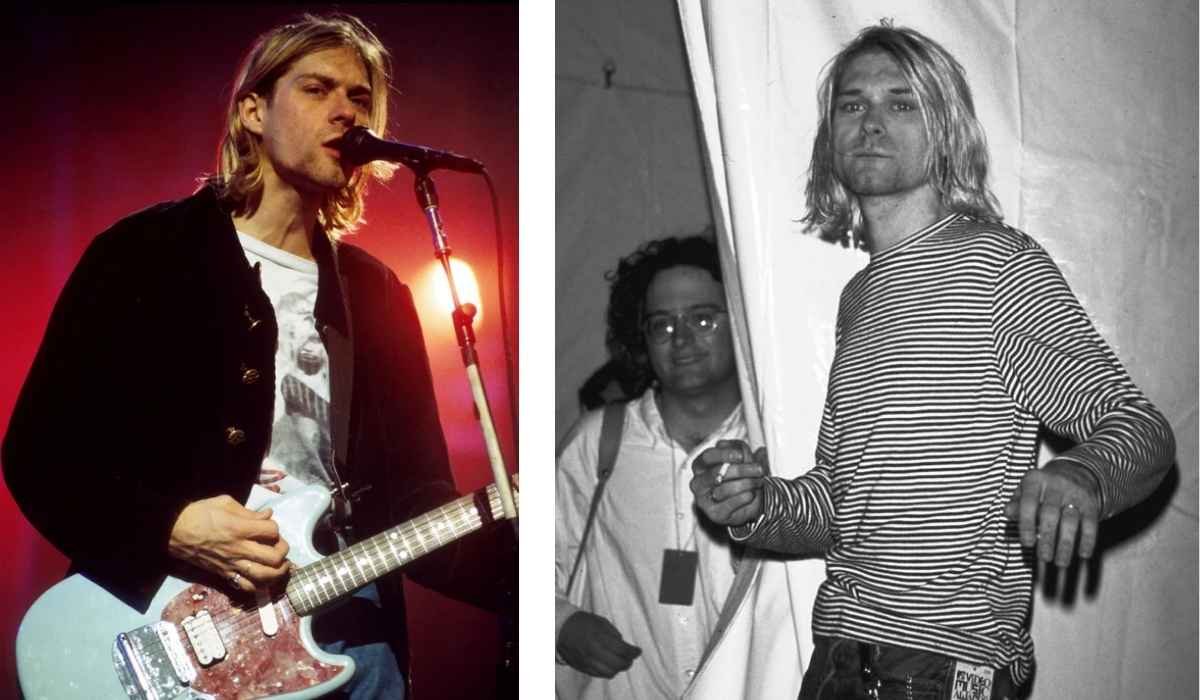
Music changed forever when a quiet kid from Aberdeen found a battered guitar and channeled his deepest frustrations into raw, distorted power chords that captured the disillusioned spirit of a restless generation. Every single note played by Kurt Cobain resonated with millions who felt alienated by mainstream culture and commercial excess. His creative genius birthed a cultural revolution that permanently reshaped modern rock music, lifting underground sounds into global prominence. Exploring his life reveals an intense journey filled with artistic brilliance, staggering commercial success, and profound personal struggles that ultimately ended far too soon.
Quick Bio
| Field | Detail |
|---|---|
| Born | February 20, 1967 |
| Died | April 5, 1994 |
| Occupation | Musician, Songwriter |
| Band | Nirvana |
| Genre | Grunge, Alternative Rock |
| Spouse | Courtney Love |
Early Childhood Roots in Washington
Growing up in the logging town of Aberdeen, Washington, the young Kurt Cobain experienced a generally happy early childhood before his parents’ bitter divorce shattered his domestic stability. That pivotal family split introduced emotional trauma that heavily influenced his later worldview, turning a cheerful boy into a moody and rebellious teenager. He bounced between various relatives’ homes, often feeling like an outsider who did not fit into traditional family structures or expectations. Art became his early escape, as he spent hours drawing cartoon characters and expressing his inner thoughts through visual creativity rather than spoken words.
Discovery of Punk Rock and Rebellion

Discovering punk rock music during his high school years provided Kurt Cobain with a liberating outlet that aligned perfectly with his anti-establishment attitude and growing alienation. Bands like the Sex Pistols taught him that technical perfection mattered far less than raw emotion, energy, and authenticity in songwriting. He began embracing the punk ethos completely, rejecting mainstream societal norms and fashion trends while immersing himself in local underground counterculture movements. This rebellious phase laid the foundation for his future artistic identity, teaching him how to channel anger and frustration into creative endeavors that defied conventional boundaries.
The Formation of Nirvana
Teaming up with bassist Krist Novoselic in 1987 allowed Kurt Cobain to channel his musical ambitions into forming the legendary alternative rock band Nirvana. The duo struggled through numerous lineup changes and endless rehearsals in cramped spaces while trying to define their unique sonic signature in the Pacific Northwest. Their early performances relied on heavy, sludge-infused guitar riffs mixed with melodic punk hooks that slowly built a dedicated local following around Aberdeen and Olympia. Establishing Nirvana gave him a permanent collaborative vehicle to express his complex artistic vision alongside musicians who shared his raw passion for unconventional rock music.
Recording the Debut Album Bleach
Signing with the independent record label Sub Pop enabled the group to record and release their gritty debut album titled Bleach in 1989. Funded cheaply and driven by heavy guitar distortion, the record showcased the raw underground sound that defined the early Seattle music scene before commercial explosion. Kurt Cobain penned lyrics that reflected dark themes of isolation, suburban decay, and personal angst, setting a distinct tone for future releases. Although the album did not immediately conquer the charts, it established critical groundwork and proved that Kurt possessed a distinct songwriting voice capable of capturing regional attention.
The Arrival of Dave Grohl
Finding the definitive drummer proved challenging until Dave Grohl joined the lineup in 1990, completing the classic configuration that propelled Kurt Cobain and Nirvana to superstardom. Grohl’s powerful, thunderous drumming style complemented the melodic intensity of Kurt guitar playing and added massive dynamic range to their evolving compositions. Rehearsals became more focused and energetic, enabling the trio to craft intricate song structures that balanced heavy distortion with unforgettable pop sensibilities. This final lineup chemistry transformed Kurt Cobain creative output from a struggling underground act into a tightly oiled musical powerhouse ready for global dominance.
The Phenomenon of Nevermind
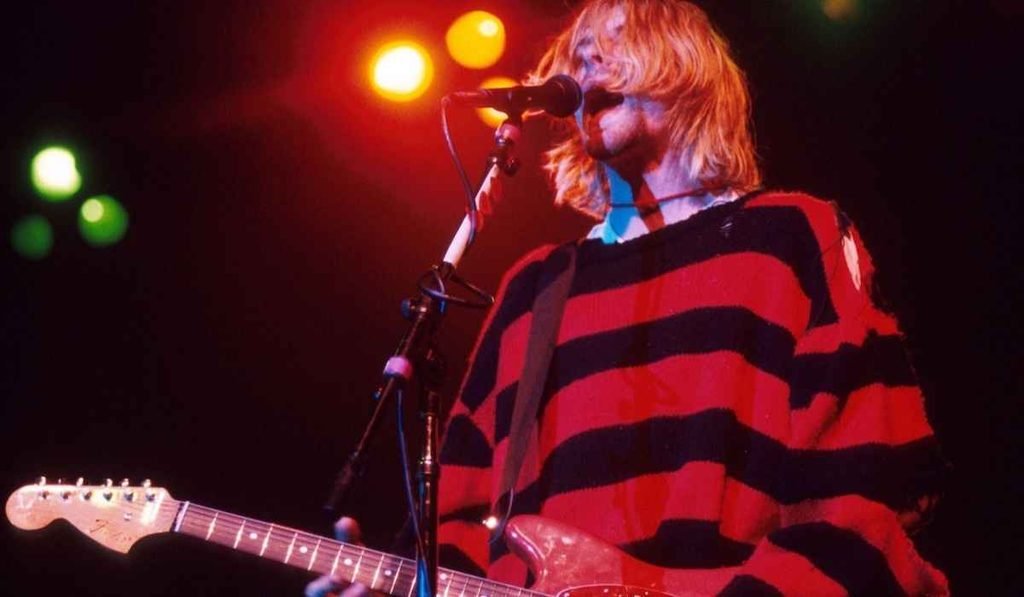
Releasing the breakthrough major-label album Nevermind in 1991 thrust Kurt Cobain and his bandmates into an unprecedented level of worldwide fame and commercial success. Propelled by the massive anthem Smells Like Teen Spirit, the album knocked pop icons off the charts and signaled a massive cultural shift toward alternative rock. Kurt suddenly found himself hailed as the reluctant spokesperson for a disillusioned generation that deeply connected with his themes of apathy and angst. This overnight transition from underground obscurity to international stardom proved overwhelming for Kurt Cobain, who struggled immensely to reconcile his punk values with massive corporate success.
Anthem of Generation X
Crafting the iconic track Smells Like Teen Spirit turned Kurt Cobain into an accidental generational icon whose lyrics captured the collective mood of disillusioned youth. The song’s explosive chorus and cynical refrain became an instant anthem for millions of teenagers navigating the confusing landscape of modern society. Despite the song’s massive cultural impact and commercial ubiquity, Kurt Cobain often grew uncomfortable with how mainstream media interpreted and over-commercialized his deeply personal artistic expressions. He preferred the authenticity of smaller underground venues, making his uneasy relationship with stadium-sized fame a central struggle throughout the remainder of his life.
Marriage to Courtney Love
Marrying fellow musician Courtney Love in 1992 brought intense media scrutiny into the personal life of Kurt Cobain as they navigated the highest tiers of celebrity culture. The couple shared a tumultuous relationship that fascinated tabloid journalists and frequently placed them at the center of public controversy and speculative news stories. Shortly after their wedding, they welcomed their daughter Frances Bean Cobain, who brought immense joy and a renewed sense of purpose to Kurt Cobain during difficult times. Balancing intense public exposure with family responsibilities proved exceptionally challenging for Kurt Cobain, amplifying the personal pressures he faced daily.
Parenthood and Frances Bean
Welcoming his daughter Frances Bean into the world was a transformative moment that profoundly altered the personal perspective of Kurt Cobain amidst his chaotic lifestyle. He deeply adored being a father and frequently expressed a fierce desire to protect his child from the toxic realities of relentless paparazzi and tabloid culture. Fatherhood offered Kurt Cobain emotional grounding and moments of genuine happiness away from the relentless demands of the music industry and touring schedules. However, the stress of maintaining a healthy family environment while battling severe addiction and depression weighed heavily on Kurt Cobain as his health deteriorated.
The Raw Sound of In Utero
Releasing the final studio album In Utero in 1993 allowed Kurt Cobain to intentionally push back against corporate pop production by embracing a raw, abrasive, and uncompromising sonic texture. He actively sought out a more abrasive and organic sound that reflected his artistic integrity and desire to alienate casual fans who missed the deeper meaning of his music. Tracks on the record tackled heavy subjects like alienation, illness, and fame, proving that Kurt Cobain remained dedicated to authentic expression over easy commercial hits. Although it debuted at the top of the charts, In Utero represented a complex creative statement where Kurt Cobain wrestled openly with his demons.
Battles with Chronic Pain
Enduring agonizing chronic stomach pain for years significantly impacted the daily life and mental well-being of Kurt Cobain long before medical professionals could properly diagnose the root cause. This severe physical discomfort caused immense suffering during intense international tours, pushing Kurt Cobain toward self-medication as a desperate means of finding physical relief. The constant agony wore down his physical endurance and contributed heavily to his growing reliance on substances to cope with the rigorous demands of performing live. Managing this hidden physical torment proved just as exhausting for Kurt Cobain as navigating the immense psychological pressures of global celebrity status.
Struggles with Addiction and Depression
Battling severe depression alongside chronic heroin addiction proved to be a devastating cycle that deeply afflicted the adult life of Kurt Cobain. He utilized drugs in an attempt to numb both his physical ailments and the overwhelming psychological burden of being crowned the voice of a generation. Friends and bandmates watched helplessly as addiction gradually eroded his health, creativity, and personal relationships during the final harrowing years of his life. Despite multiple stints in rehabilitation facilities and interventions organized by loved ones, Kurt Cobain found it incredibly difficult to escape the dark shadows of his dependencies.
The Historic MTV Unplugged Performance
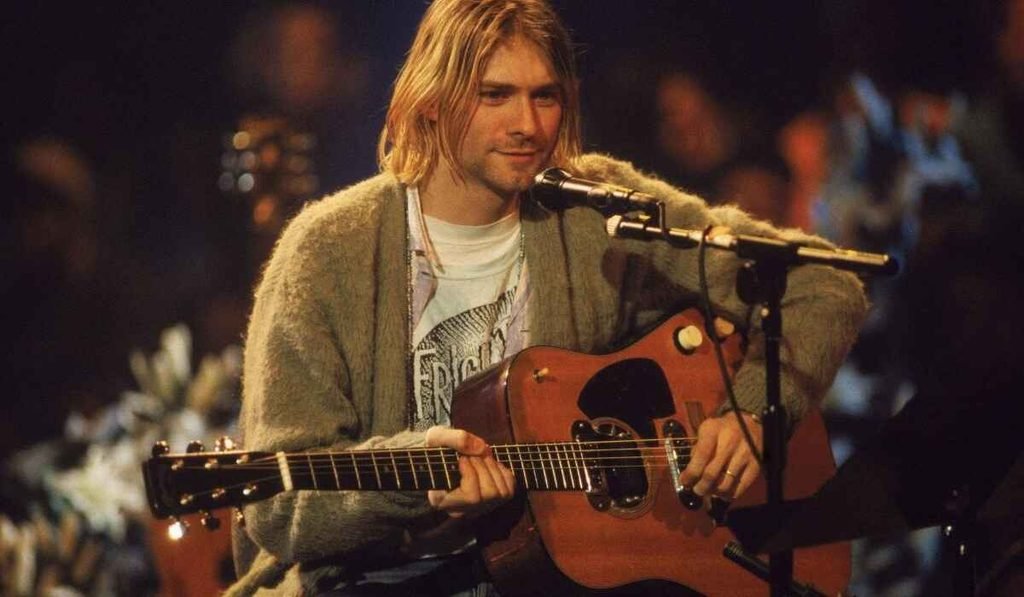
Delivering a hauntingly beautiful acoustic performance on MTV Unplugged in late 1993 showcased the fragile vulnerability and immense vocal range of Kurt Cobain outside of heavy distortion. Choosing to cover traditional folk and obscure indie songs rather than solely playing heavy hits demonstrated the eclectic musical taste and profound artistic depth of Kurt Cobain. Seated amid lilies and black candles, his raw delivery of songs like Where Did You Sleep Last Night sent chills through everyone present in the intimate studio audience. This legendary television appearance remains celebrated as one of the finest live acoustic recordings in rock history, capturing Kurt Cobain at his most mesmerizing.
Final Days and Tragic Death
Suffering through a rapid decline in his physical and mental health, Kurt Cobain tragically took his own life at his Seattle home in April 1994 at the age of twenty-seven. News of his untimely death shocked millions of fans worldwide, plunging the global music community into profound mourning and disbelief. Investigators confirmed that Kurt Cobain died from a self-inflicted shotgun wound after escaping a California rehabilitation center days earlier. His passing marked the heartbreaking conclusion of an extraordinary musical journey, sealing the tragic fate of Kurt Cobain as an eternal member of the infamous 27 Club.
Posthumous Induction Into Rock Hall
Inducting Nirvana into the Rock and Roll Hall of Fame in 2014 ensured that the monumental legacy of Kurt Cobain would be formally honored by the music industry. Surviving bandmates accepted the prestigious accolade while celebrating the enduring impact that Kurt Cobain compositions left on generations of subsequent musicians. Tributes poured in from around the globe, highlighting how songs written by Kurt Cobain continued to inspire new fans decades after his tragic passing. This milestone cemented the rightful place of Kurt Cobain among the most influential songwriters and guitarists in the history of popular music.
Lasting Cultural and Musical Impact
Shaping the landscape of alternative culture, the artistic blueprint established by Kurt Cobain continues to influence countless modern rock bands and independent artists today. His raw vulnerability opened doors for more emotional honesty in mainstream lyrics, paving the way for post-grunge and indie rock movements. Fans and scholars alike continue to analyze the poetry and chord progressions crafted by Kurt Cobain to understand the unique genius behind his timeless catalog. The cultural footprint left by Kurt Cobain remains indelible, proving that true artistic authenticity outlives fleeting pop trends and corporate manufacturing.
Documentaries and Biographical Legacy
Inspiring numerous biographical books, deep-dive analyses, and acclaimed documentary films like Montage of Heck, the life of Kurt Cobain remains a subject of intense public fascination. These projects offer intimate glimpses into his childhood journals, home videos, and creative processes, humanizing the legendary rock icon beyond tabloid headlines. Viewers gain a deeper appreciation for the personal battles fought by Kurt Cobain while attempting to balance creative freedom with public expectations. Through these thoughtful cinematic and literary works, the complex story of Kurt Cobain is preserved for future generations to study and understand with empathy.
The Enduring Myth of Generation X
Embodying the disillusionment of the 1990s, the cultural persona of Kurt Cobain became permanently intertwined with the identity of Generation X. His refusal to conform to mainstream expectations resonated deeply with young people searching for genuine meaning in an increasingly commercialized world. Even as decades pass, the cultural relevance of Kurt Cobain remains undiminished, serving as a reminder of a unique era when rock music carried heavy emotional weight. The spirit of rebellion and artistic integrity championed by Kurt Cobain continues to inspire anyone who feels marginalized by society.
Remembering a Rock Icon Forever
Honoring the artistic brilliance of Kurt Cobain ensures that his revolutionary contributions to rock music will never be forgotten or understated by future generations. His ability to transform personal pain into universal anthems cemented Kurt Cobain as a once-in-a-lifetime talent whose music transcends time. Listeners around the world still find solace, energy, and understanding within the timeless catalog left behind by Kurt Cobain. Ultimately, the tragic yet brilliant life of Kurt Cobain stands as a powerful testament to the enduring strength and emotional depth of SEO FRIENDLY Wikipedia article on Kurt Cobain.
FAQs
- When was Kurt Cobain born?
- Kurt Cobain was born on February 20, 1967.
- What band did Kurt Cobain lead?
- He was the lead singer and guitarist for the grunge band Nirvana.
- What was Nirvana’s most famous album?
- Their breakout 1991 major-label debut album was titled Nevermind.
- When did Kurt Cobain pass away?
- He died by suicide on April 5, 1994, at the age of 27.
- When was he inducted into the Rock and Roll Hall of Fame?
- He was posthumously inducted alongside his bandmates in 2014.








[…] the personal dynamics of their favorite R&B icon. From his early days in Boston to global superstardom, his romantic choices have shaped much of his private narrative. Exploring these relationships […]