
The Iconic Legacy of Aviation
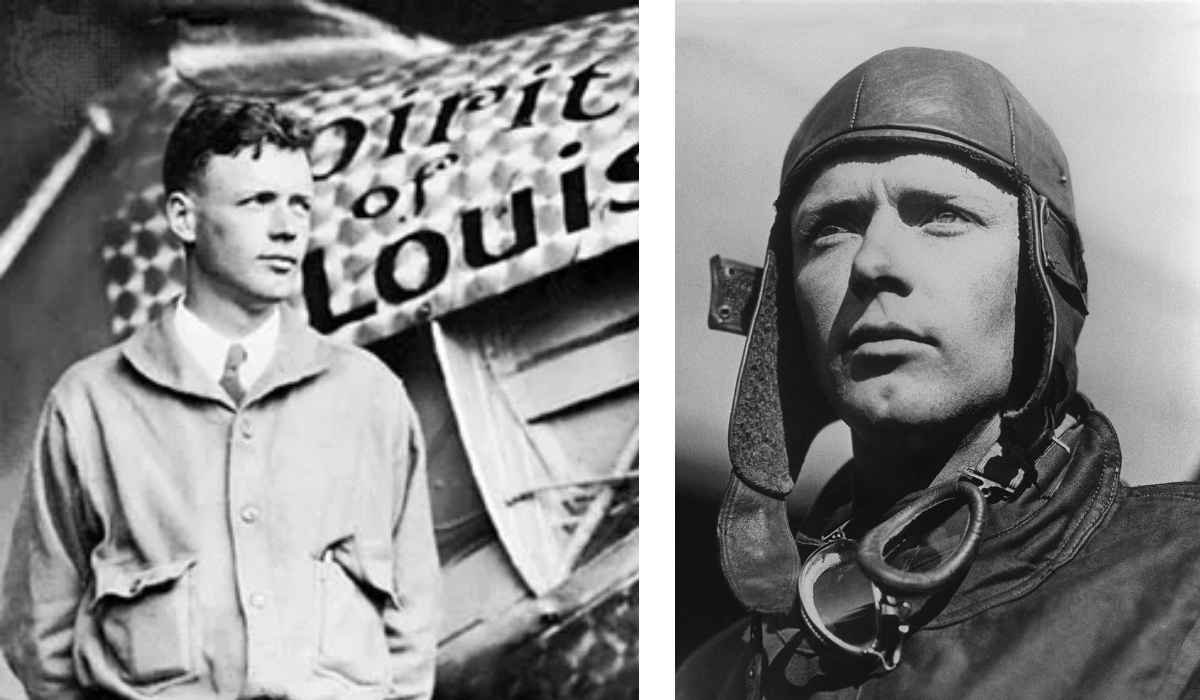
Charles Lindbergh remains one of the most remarkable figures in global history, capturing the imagination of millions through his daring feats in the sky. Born in Detroit, Michigan, he developed an early fascination with mechanics and engineering that eventually led him away from formal university studies and straight into the thrilling world of aviation. As a young man, he embraced the perilous lifestyle of a barnstormer, performing aerial stunts across the American Midwest before sharpening his navigation skills as a dedicated airmail pilot. His relentless ambition and cool-headed demeanor set the stage for an unprecedented journey that would forever alter the trajectory of human transport, science, and global connectivity.
Quick Bio
| Attribute | Details |
|---|---|
| Full Name | Charles Augustus Lindbergh |
| Born | February 4, 1902 (Detroit, Michigan) |
| Died | August 26, 1974 (Maui, Hawaii) |
| Spouse | Anne Morrow Lindbergh |
| Famous Flight | New York to Paris (1927) |
| Aircraft | Spirit of St. Louis |
Early Beginnings of a Future Legend
Growing up on a Minnesota farm, Charles Lindbergh spent his formative years surrounded by wide-open spaces that naturally cultivated a deep curiosity about flight and machinery. Although his academic performance in traditional school settings was unremarkable, his practical aptitude for repairing tractors, automobiles, and engines quickly became apparent to everyone around him. World War I offered an unexpected turning point when agricultural labor shortages allowed him to finish high school credits early, freeing him to explore higher education. This rural upbringing forged a resilient character and a self-reliant mindset that would prove invaluable during the high-stakes aviation challenges he faced later in life.
Pursuit of Higher Education and Flight School
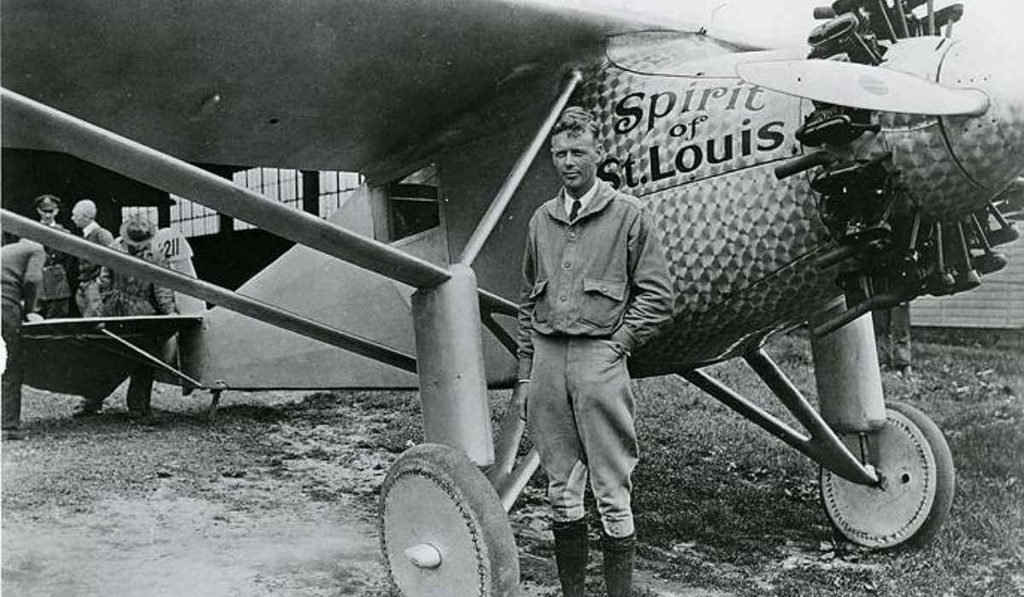
Leaving the University of Wisconsin after studying mechanical engineering for several semesters, Charles Lindbergh chose to pursue his true passion by enrolling in a specialized flying school in Lincoln, Nebraska. Financing his lessons through hard work and determination, he experienced his very first airplane ride and quickly progressed to mastering solo flights in vintage World War I aircraft. This rigorous training environment exposed him to the raw dangers and unpredictable mechanics of early aviation, molding him into a cautious yet fearless aviator. Mastering basic flight controls laid the vital foundation for his subsequent daredevil performances and eventual entry into elite military aviation training programs.
The Thrill of Barnstorming Adventures
Traveling across the United States as a daring barnstormer, Charles Lindbergh performed breathtaking aerial acrobatics and offered short passenger rides to thrill-seeking crowds. Operating under various colorful pseudonyms, he treated the open skies as his personal classroom, learning how to handle engine failures, sudden weather shifts, and primitive landing strips. These barnstorming years tested his physical endurance and sharpen his instincts, ensuring he could diagnose and fix mechanical issues mid-flight under extreme pressure. The camaraderie and hazards of this gypsy-pilot lifestyle deeply shaped his professional identity, transforming him from an eager student into a master pilot capable of handling any crisis in the air.
Enlistment in the United States Army
Seeking structured discipline and advanced flight instruction, Charles Lindbergh enlisted in the United States Army Air Service Reserve, embarking on a rigorous training regimen. Competing against some of the finest young pilots of his generation at Kelly and Brooks fields in Texas, he graduated at the absolute top of his demanding class. This military certification provided him with access to state-of-the-art aircraft, night-flying protocols, and precise navigation techniques that civilian training rarely offered. Earning his wings as an elite military aviator solidified his reputation as a cool, calculated professional ready for bigger challenges in the burgeoning postal and commercial aviation sectors.
Mastering the Night Skies as an Airmail Pilot
Taking on the hazardous duties of a U.S. airmail pilot, Charles Lindbergh flew vital postal routes between St. Louis and Chicago through blinding snowstorms, dense fog, and pitch-black nights. Postal flying during this era was notoriously perilous, claiming the lives of many colleagues, yet he relied on his exceptional instincts and emergency parachute systems to survive multiple bailouts. Navigating primarily by visual landmarks and railroad tracks, he earned a stellar reputation for safely delivering mail against all odds while earning the nickname “Lucky Lindy”. This demanding daily routine honed his endurance, proving he possessed the psychological fortitude required for unprecedented transoceanic aviation endeavors.
The Allure of the Orteig Prize
A monumental financial reward offered by a New York hotel owner ignited a fierce international competition to achieve the first nonstop flight between New York and Paris. While veteran aviation teams struggled with massive multi-engine aircraft and costly logistical delays, Charles Lindbergh recognized that a lightweight, single-engine design offered superior fuel efficiency. Securing financial backing from a dedicated group of St. Louis businessmen, he set out to commission a custom airplane tailored specifically for transatlantic endurance. This ambitious vision transformed a regional airmail pilot into a formidable contender in the historic race to conquer the vast expanse of the Atlantic Ocean.
Designing the Legendary Spirit of St. Louis
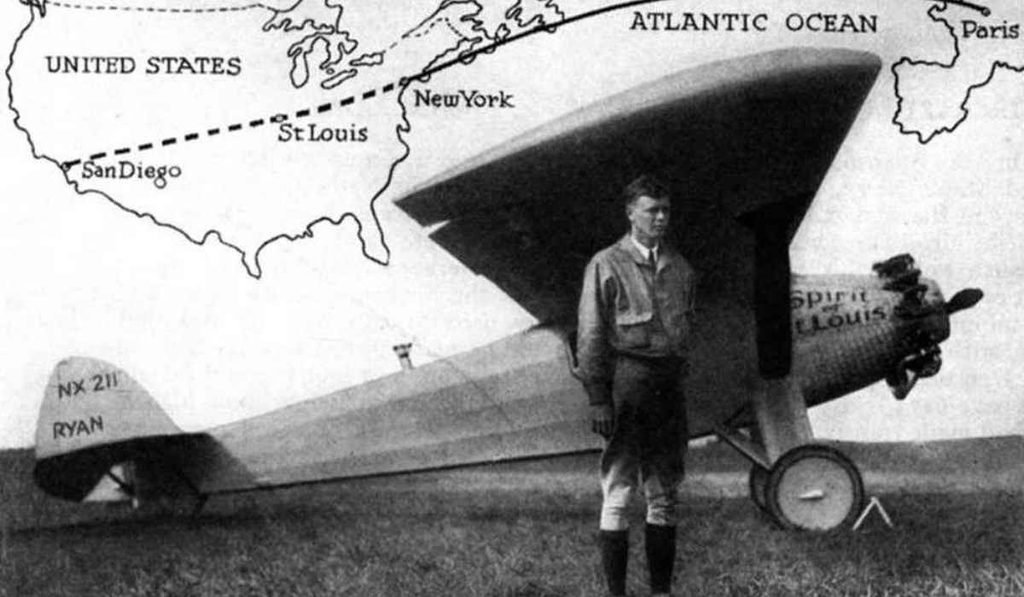
Collaborating closely with the Ryan Aeronautical Company in San Diego, Charles Lindbergh helped design a revolutionary custom monoplane built entirely around the demands of long-range ocean flying. To maximize fuel capacity, engineers placed the main gas tank directly in front of the cockpit, forcing Lindbergh to utilize a periscope system to see forward during flight. Every ounce of weight was meticulously scrutinized, stripping away redundant instruments, parachutes, and even a standard comfort-focused pilot seat to save precious fuel. Named the Spirit of St. Louis, this silvery aircraft represented the absolute pinnacle of aerodynamic engineering and personal determination.
Setting Records Across the American Continent
Before attempting his famous ocean crossing, Charles Lindbergh executed a flawless transcontinental test flight from San Diego to New York with an overnight stop in St. Louis. Shattering existing speed records for the cross-country journey, his custom monoplane proved its incredible reliability and aerodynamic superiority over thousands of punishing miles. This successful trial boosted public confidence and validated his meticulous calculations regarding fuel consumption and engine performance under diverse atmospheric conditions. Armed with hard data and supreme confidence in his machine, he finalized preparations for the ultimate test of human courage on the stormy shores of Long Island.
The Historic Transatlantic Takeoff
Leaving Roosevelt Field in New York on a crisp morning in May 1927, Charles Lindbergh guided his heavily overloaded monoplane down a muddy runway to begin his legendary journey. Spectators watched in breathless suspense as the aircraft barely cleared telephone wires at the end of the field, heavily burdened by thousands of pounds of aviation fuel. Battling sleep deprivation, ice formation on the wings, and freezing fog over the freezing ocean, he flew completely alone through the dark night. This solitary departure marked the beginning of an epic thirty-three-and-a-half-hour ordeal that would permanently rewrite the history books of international travel.
Landing to a Heroic Global Welcome
Touching down at Le Bourget Field near Paris, Charles Lindbergh was instantly swarmed by an ecstatic crowd of over one hundred thousand cheering spectators who broke through security barriers. What was expected to be a quiet arrival turned into a chaotic celebration of human achievement, transforming the humble pilot into an international superstar overnight. Governments across the globe showered him with prestigious medals, ticker-tape parades, and diplomatic honors, recognizing his flight as a watershed moment for modern technology. This unprecedented global adulation cemented his status as a permanent cultural icon representing the boundless potential of human ingenuity.
Navigating Sudden and Overwhelming Fame
Following his triumphant return to the United States, Charles Lindbergh struggled immensely with the suffocating media attention and invasive public adoration that accompanied his new status. He utilized his massive platform to promote commercial aviation, touring the country to encourage the development of municipal airports and international air routes. Despite his efforts to steer public discourse toward technological progress, the constant lack of privacy weighed heavily on his introverted personality. This turbulent period of celebrity forced him to seek solitude whenever possible, laying bare the profound personal costs associated with extraordinary public renown.
A Tragic Chapter and Pursuit of Privacy
Personal tragedy struck the family when Charles Lindbergh experienced the devastating kidnapping and subsequent murder of his infant son, turning his life into a media circus. Seeking refuge from relentless press harassment and intrusive sensationalism, the family temporarily fled the United States to live quietly in various European nations. This painful chapter deeply embittered his relationship with the modern press and hardened his desire for absolute privacy and isolation. Even during these dark times, he continued his scientific explorations and maintained a keen interest in emerging medical and technological innovations alongside prominent researchers.
Scientific Collaboration and Medical Inventions
Beyond his celebrated exploits in aviation, Charles Lindbergh made significant contributions to the medical field by collaborating with Nobel laureate Alexis Carrel to invent an early perfusion pump. This pioneering mechanical device kept organs alive outside the body, serving as an essential technological stepping stone toward modern organ transplant procedures. His sharp mechanical intellect and fascination with biological preservation demonstrated that his talents extended far beyond piloting aircraft into complex laboratory sciences. This lesser-known scientific endeavor highlighted his versatile intellect and commitment to advancing human health through innovative engineering solutions.
Controversial Political Stances and Isolationism
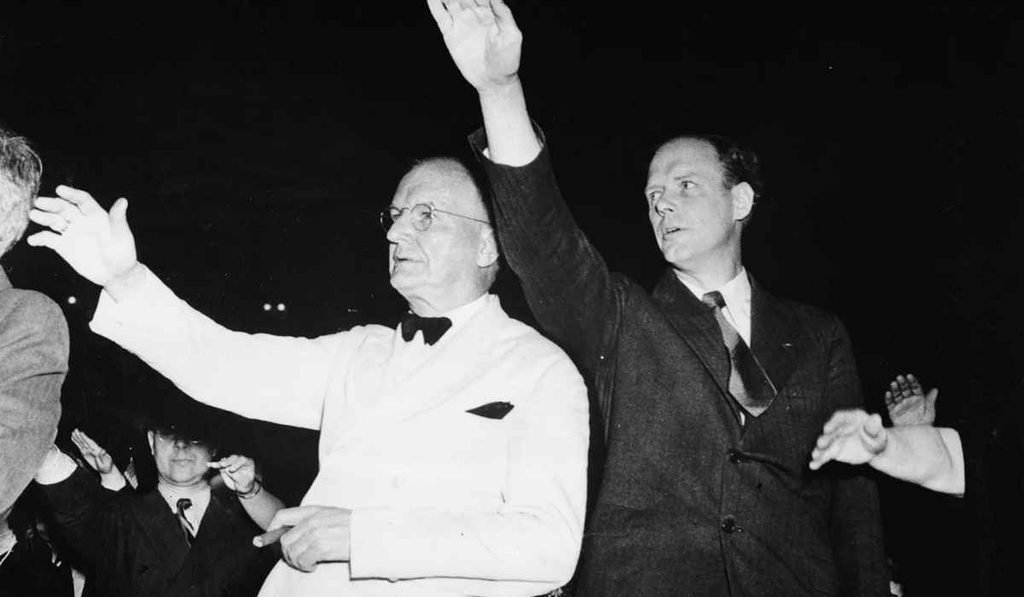
During the turbulent years leading up to World War II, Charles Lindbergh became a leading voice and prominent public speaker for the America First Committee, advocating strongly against U.S. intervention. His public opposition to the Roosevelt administration’s foreign policies and his warnings about European entanglements drew fierce criticism and accusations of sympathizing with foreign regimes. Following the attack on Pearl Harbor, he dissolved his political alignment, pledged his full support to the American war effort, and flew numerous combat missions as a civilian consultant. This complex political chapter remains one of the most heavily scrutinized and debated aspects of his multifaceted public life.
Wartime Contributions in the Pacific Theater
Proving his enduring loyalty to his nation after the outbreak of global hostilities, Charles Lindbergh traveled to the Pacific Theater to evaluate combat aircraft performance under real operational conditions. Advising military pilots on fuel conservation techniques and tactical maneuvers, he routinely flew dangerous combat missions alongside frontline troops in active war zones. His expert technical evaluations significantly extended the operational range of American fighter planes, directly aiding military strategy in the Pacific. This active wartime service helped rehabilitate his public image following his pre-war political controversies, showcasing his unwavering dedication to practical engineering and national defense.
Evolution Into a Passionate Conservationist
In his later years, Charles Lindbergh shifted his immense focus from technological expansion toward environmental protection, becoming a vocal advocate for ecological preservation. Traveling extensively through remote regions of Africa, the Philippines, and the Americas, he campaigned vigorously to protect endangered species, including whales and tropical wildlife. He famously remarked that he would ultimately prefer to preserve natural wilderness and birds than witness the unchecked spread of noisy industrial aircraft. This profound philosophical evolution established him as an early pioneer of the modern environmental movement, urging humanity to find harmony with nature.
Literary Achievements and Pulitzer Recognition
Demonstrating exceptional skill as a writer, Charles Lindbergh penned multiple memoirs and reflections detailing his aviation adventures, including his Pulitzer Prize-winning book recounting the 1927 flight. His prose captured the solitary beauty of the upper atmosphere and the philosophical questions raised by rapid technological modernization. Writing allowed him to articulate his complex inner thoughts on civilization, nature, and progress away from the glare of television cameras and journalists. These literary works remain enduring classics of adventure and introspection, securing his legacy as an insightful author as well as a master aviator.
Final Days and Lasting Historical Impact
Spending his final years in the tranquil landscapes of Maui, Hawaii, Charles Lindbergh lived quietly until his passing, surrounded by close family members and natural beauty. His extraordinary life encompassed the birth of modern aviation, groundbreaking scientific research, painful personal trials, and a passionate late-career crusade for environmental conservation. He left behind a complex, colossal legacy that continues to inspire generations of engineers, pilots, and conservationists worldwide. Exploring his complete historical footprint reveals an irreplaceable pillar of twentieth-century history whose adventures reshaped the boundaries of human possibility. Learn more about his historical impact by checking out Charles Lindbergh.
FAQs
- What was the name of the aircraft used for the 1927 transatlantic flight?
- The historic journey was completed using a custom-built single-engine monoplane named the Spirit of St. Louis.
- When did Charles Lindbergh complete his solo flight to Paris?
- He successfully landed in Paris on May 20–21, 1927, after flying continuously for over thirty-three hours.
- What prestigious military medal did President Calvin Coolidge present to him?
- He was awarded both the Medal of Honor and the Distinguished Flying Cross for his aviation pioneering.
- Which environmental organizations did he support later in life?
- He actively campaigned for conservation groups like the World Wildlife Fund and helped establish national parks.
- Where did Charles Lindbergh spend his final years?
- He spent the concluding period of his life living quietly in Kipahulu, Maui, Hawaii.






[…] the underground scene by introducing aggressive sonic elements that resonated with millions of listeners worldwide. His early neighborhood mixtapes quickly generated massive viral traction across social media […]