
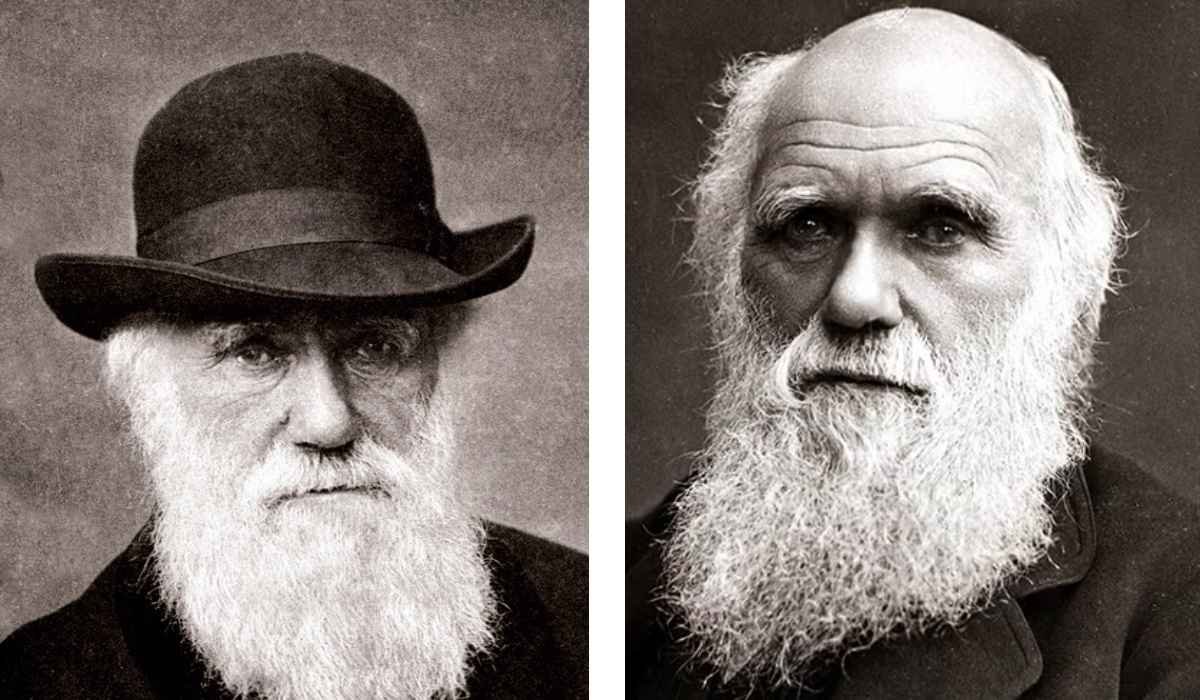
The historical journey of Charles Darwin stands as one of the most intellectually transformative episodes in the entire annals of human scientific inquiry, fundamentally reshaping our modern understanding of the natural world and every living organism inhabiting it. Born in the nineteenth century, this exceptional English naturalist embarked on a legendary global voyage that ultimately unlocked the deeply hidden mechanisms governing biological evolution, species diversification, and environmental adaptation across vast geological timescales.
His rigorous observations, meticulous data collection, and revolutionary theoretical deductions provided humanity with an entirely new lens through which to examine our shared origins, complex ancestral lineages, and continuous ecological relationships. Through decades of persistent research, quiet contemplation, and empirical validation, he established a towering framework of knowledge that continues to guide contemporary biological sciences, genetics, paleontology, and ecological conservation efforts today.
Quick Bio Overview
| Attribute | Detail |
|---|---|
| Full Name | Charles Robert Darwin |
| Birth Date | February 12, 1809 |
| Birth Place | Shrewsbury, Shropshire, England |
| Death Date | April 19, 1882 |
| Resting Place | Westminster Abbey, London |
| Known For | Theory of Evolution by Natural Selection |
| Notable Book | On the Origin of Species (1859) |
Early Childhood and Family Background in Shropshire
The early upbringing of Charles Darwin took place within an affluent, intellectually stimulating household located in the scenic market town of Shrewsbury, England. Raised by a prominent medical doctor father and an exceptionally cultured mother from the renowned Wedgwood pottery family, young Charles developed an early, passionate fascination with collecting natural specimens, minerals, and insects. Although his formal schooling at Shrewsbury School focused heavily on traditional classical subjects rather than modern sciences, his free time was enthusiastically dedicated to chemistry experiments and outdoor explorations. These formative years instilled in him a deep curiosity about the natural environment, setting the foundational mindset required for his later groundbreaking scientific breakthroughs.
University Years at Edinburgh and Medical Studies
Seeking to follow family traditions, Charles Darwin enrolled at the University of Edinburgh Medical School alongside his older brother Erasmus to pursue a conventional career in medicine. However, he quickly discovered that surgical procedures performed without modern anesthesia deeply distressed him, and he found the academic lectures profoundly dull and uninspiring. During this period, he instead chose to spend his time learning taxidermy from a freed Black South American man named John Edmonstone and actively participating in the Plinian Society. These extracurricular scientific debates and marine invertebrate investigations exposed him to radical evolutionary concepts, shifting his intellectual focus definitively away from medicine.
Transition to Christ College Cambridge and Theology
Following his departure from Edinburgh, his pragmatic father redirected his academic pursuits toward Cambridge University with the intention of training him to become a clergyman in the Church of England. Enrolling at Christ College, Charles Darwin initially struggled with traditional theological texts, yet he found immense joy in the vibrant social and intellectual culture fostered among students and scholarly faculty members. He developed a passionate obsession with beetle collecting, which earned him recognition among prominent local entomologists and naturalists of the era. It was during these pleasant Cambridge years that his natural aptitude for empirical science truly began to flourish under encouraging academic mentors.
Mentorship under Professor John Stevens Henslow
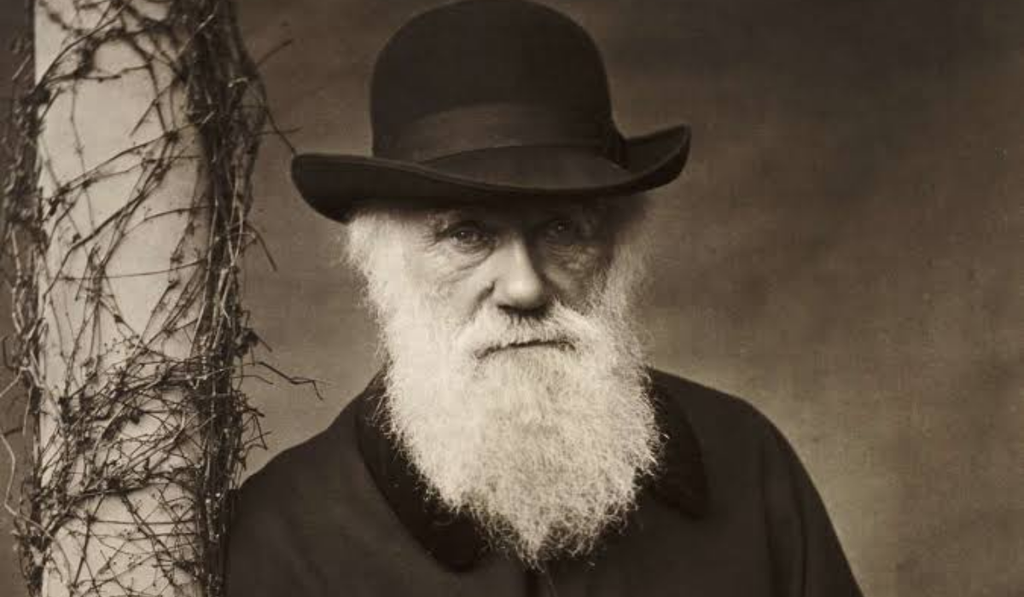
A pivotal turning point in the professional development of Charles Darwin occurred when he forged a remarkably close mentoring relationship with the esteemed botany professor John Stevens Henslow. Professor Henslow recognized the young scholar’s innate talent for observational science and invited him to participate in exclusive botanical excursions, academic gatherings, and geological discussions. This intellectual partnership not only expanded Darwin’s theoretical understanding of plant life and stratification but also cemented his reputation as a reliable and thorough field researcher. Henslow’s unwavering encouragement and guidance served as the crucial catalyst that ultimately opened the door to the legendary maritime expedition of a lifetime.
The Historic Launch of the HMS Beagle Voyage
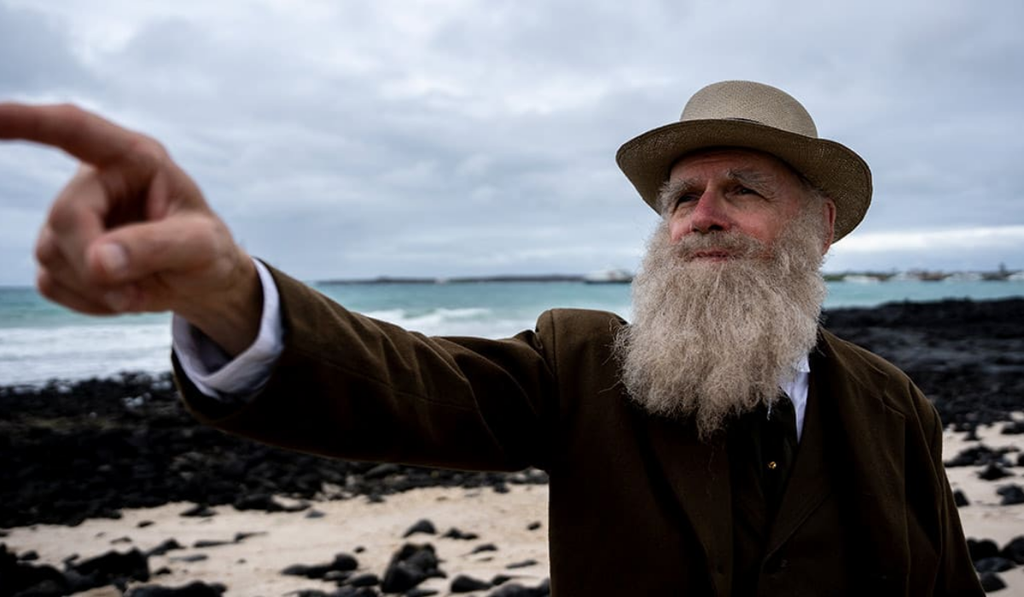
In December 1831, after careful preparation and overcoming initial family reservations, Charles Darwin stepped aboard the Royal Navy survey ship HMS Beagle as its resident self-funded naturalist. The stated mission of the voyage was to chart the rugged coastline of South America and establish navigational chains around the globe, providing an unprecedented opportunity for scientific exploration. Leaving Plymouth behind, the young researcher packed only a few personal items, his collection gear, and a copy of Charles Lyell’s principles of geology, completely unaware that this five-year maritime journey would permanently transform human thought and global scientific paradigms.
Explorations Across the Coastlines of South America
Throughout the extensive South American phase of the expedition, Charles Darwin spent countless months exploring dense tropical rainforests, vast arid plains, and soaring mountain ranges on foot. He unsparingly excavated enormous fossilized remains of extinct megafauna such as giant ground sloths and armadillos, recognizing striking anatomical similarities between ancient creatures and modern species living in the exact same geographic regions. He also experienced violent earthquakes in Chile, observing firsthand how subterranean geological forces could elevate coastal shorelines over time. These profound terrestrial observations deeply influenced his developing theories regarding the immense age of the Earth and ongoing environmental transformations.
Scientific Discoveries Among the Galapagos Islands
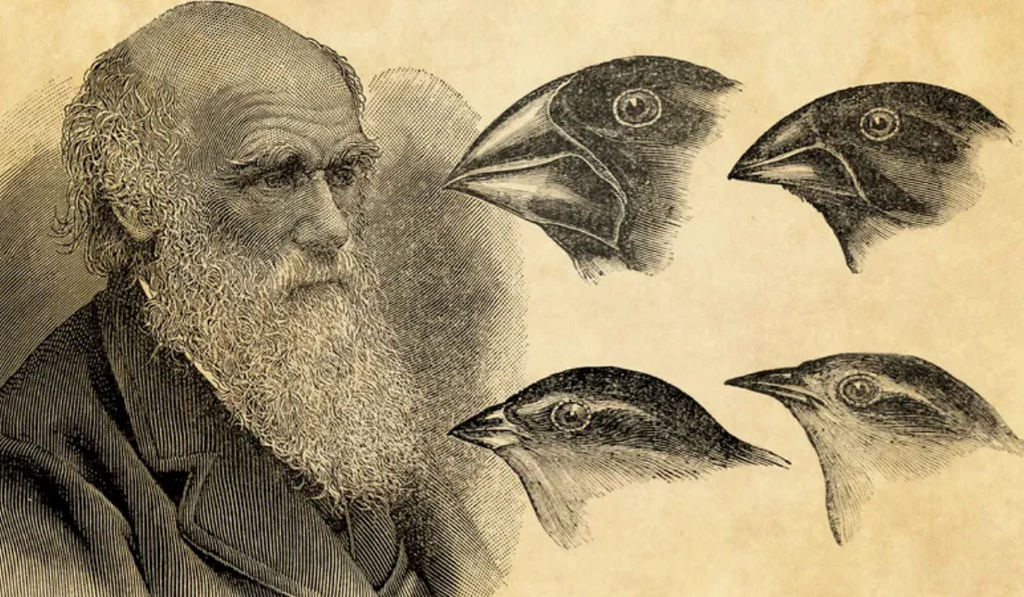
The most intellectually fertile stop during the entire expedition occurred when the HMS Beagle dropped anchor at the remote, volcanic Galapagos Archipelago in the Pacific Ocean. Here, Charles Darwin meticulously collected various species of mockingbirds, marine iguanas, and tortoises, noting distinct physical variations between specimens inhabiting separate islands. Although he did not instantly synthesize his comprehensive evolutionary theory while on the islands, these peculiar biogeographical patterns planted deep seeds of doubt regarding the traditional fixity of species. He realized that localized adaptation to distinct ecological niches dictated the structural variations observed across closely related island populations.
Return to England and the Intense London Years
Upon returning to British soil in October 1836 after nearly five years away, Charles Darwin immediately threw himself into organizing his massive archives of geological specimens, plant samples, and animal skins. Relocating to London, he engaged elite comparative anatomists, ornithologists, and paleontologists to classify his treasures, which revealed shocking insights into South American and island biodiversity. During these intense intellectual years between 1837 and 1839, he filled private notebooks with speculative evolutionary trees, finally articulating the foundational concepts of natural selection while working tirelessly in his urban study.
Marriage to Emma Wedgwood and Rural Life at Downe
Seeking a peaceful environment away from the bustling social pressures of the capital, Charles Darwin married his deeply pious cousin Emma Wedgwood and eventually settled down at rural Down House in Kent. Despite battling chronic, mysterious health ailments that severely limited his daily energy levels, he established a remarkably disciplined routine of domestic research, gardening experiments, and correspondence with international scientists. This tranquil country estate served as his private laboratory for decades, where he bred pigeons, studied insectivorous plants, and quietly amassed an overwhelming mountain of empirical evidence to support his revolutionary evolutionary mechanisms.
The Decades of Patient Research and Species Accumulation
For over twenty years following his initial formulation of natural selection, Charles Darwin deliberately refrained from publishing his radical ideas to avoid premature public condemnation and theological uproar. Instead, he dedicated massive amounts of time to exhaustive botanical experiments, barnacle taxonomy, and cross-fertilization studies to bulletproof his arguments against anticipated scientific skepticism. He corresponded secretly with trusted confidants like Charles Lyell and Joseph Hooker, sharing fragments of his developing theories while continually testing every conceivable counterargument. This extraordinary patience ensured that his eventual written thesis would stand upon an unassailable mountain of rigorous scientific facts and observations.
The Surprising Manuscript from Alfred Russel Wallace
The long period of private isolation came to an abrupt, dramatic end in the summer of 1858 when Charles Darwin received a startling manuscript from naturalist Alfred Russel Wallace. Working independently in the Malay Archipelago, Wallace had arrived at an identical theory of evolution driven by natural selection, prompting a friendly yet urgent crisis among Darwin’s academic circle. Joint papers authored by both scientists were hastily presented to the Linnean Society of London, ensuring that both men received appropriate historical credit for discovering the fundamental mechanism of biological diversification before any full books were officially printed.
The Publication of On the Origin of Species
Prompted by Wallace’s independent discovery, Charles Darwin rapidly condensed his massive manuscript into a more readable abstract titled On the Origin of Species, published in November 1859. The entire initial print run sold out on its very first day, triggering immediate, fierce public debates between progressive scientists and conservative religious leaders across Victorian society. The book masterfully argued that all organic life descends with modification from common ancestors through the relentless winnowing of natural selection, forever altering humanity’s philosophical perspective on nature, existence, and divine creation.
Later Botanical Studies and Earthworm Research
Even after his major theoretical masterpiece shocked the world, Charles Darwin maintained an exceptionally prolific publishing schedule, releasing numerous specialized follow-up books on botany and animal behavior. He investigated the complex fertilization mechanisms of orchids, the climbing habits of plants, and the expressive emotional behaviors exhibited by both humans and domestic animals. His absolute final scientific book, published shortly before his death, focused on the humble earthworm and its remarkable contribution to turning over topsoil across agricultural landscapes, demonstrating his lifelong dedication to studying the intricate ecological value of minor organisms.
The Culmination of Human Evolution in The Descent of Man
Expanding his biological framework directly to humanity, Charles Darwin published The Descent of Man and Selection in Relation to Sex in 1871, addressing our own evolutionary ancestry head-on. In this daring work, he argued that human beings share close common ancestry with African apes, explaining mental and moral faculties through evolutionary adaptation and sexual selection pressures. Although this publication sparked even greater social controversy than his earlier writings, it successfully laid the essential groundwork for modern anthropology, human paleontology, and behavioral psychology by treating human biology as part of the unified natural world.
Final Years, Peaceful Death, and Westminster Abbey Burial
Throughout his final decades, Charles Darwin was widely revered internationally as a venerable sage of science, receiving numerous honorary medals and global academic accolades for his life’s work. He spent his declining days surrounded by his devoted family, continuing his botanical experiments in his greenhouse right up until his peaceful passing at Down House in April 1882 at the age of seventy-three. Demonstrating the immense cultural shift he helped orchestrate, church authorities waived ordinary cemetery burials, laying him to rest with great national solemnity inside Westminster Abbey just a few feet away from Sir Isaac Newton.
Lasting Impact on Genetics and Modern Evolutionary Biology
The twentieth-century synthesis of Darwinian evolutionary theory with Mendelian genetics successfully resolved historical gaps regarding heredity that Charles Darwin had been unable to answer during his lifetime. Molecular biology and DNA sequencing have since provided overwhelming empirical proof verifying his foundational insights into common descent and adaptive radiation across geological epochs. Today, his revolutionary concepts remain the absolute unifying backbone of all biological sciences, influencing fields as diverse as modern medicine, epidemiology, computer algorithms, and ecological conservation strategies worldwide.
Cultural Resonance and Ongoing Global Legacy
Beyond technical biology, the intellectual shockwaves generated by Charles Darwin permeated literature, philosophy, sociology, and popular culture across every inhabited continent on Earth. Monuments, academic institutions, geographic mountain peaks, and endemic species continue to bear his illustrious name as a testament to his monumental contributions to human knowledge. His life story remains a shining exemplar of how patient observation, intellectual courage, and relentless empirical inquiry can permanently elevate our collective comprehension of the universe and our unique place within it.
Frequently Asked Questions
- What was the name of the ship Charles Darwin sailed on?
- The famous exploratory vessel was named the HMS Beagle.
- When was the book On the Origin of Species published?
- It was published on November 24, 1859.
- Where is Charles Darwin buried?
- He is buried inside Westminster Abbey in London.
- Who co-discovered the theory of natural selection with him?
- Naturalist Alfred Russel Wallace independently formulated the same theory.
- Where can you read more about his life and works?
- Detailed historical documentation is available on the Charles Darwin page.







[…] celebrities to understand what goes on behind the scenes away from Hollywood cameras. Celebrity relationships often capture public attention, especially when they involve long-term commitments and stable family […]