
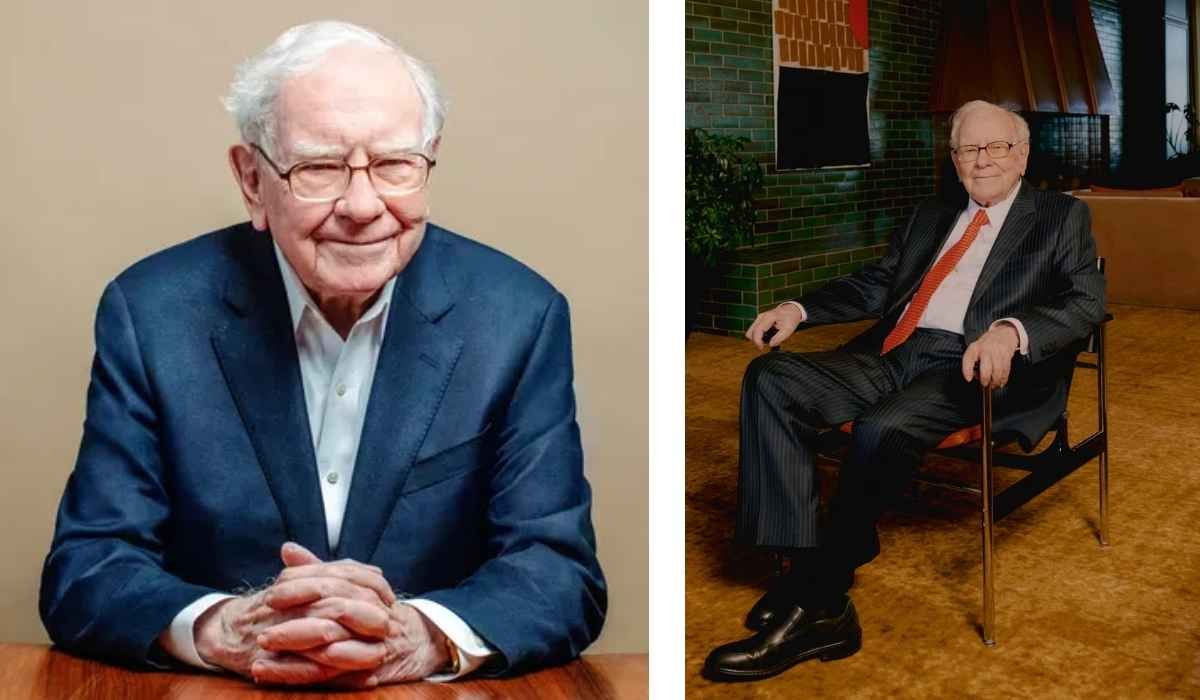
Warren Buffett remains an absolute icon in the global financial sector, demonstrating that rigorous discipline, patience, and meticulous research can build enduring corporate empires from humble beginnings. Born in Omaha, Nebraska, in 1930, he demonstrated an uncanny aptitude for commerce and mathematics early in life, purchasing his very first shares at the tender age of eleven. His foundational education at Columbia University under the direct mentorship of Benjamin Graham fundamentally shaped his value-driven philosophy, steering him away from speculative trading toward acquiring wonderful enterprises at fair prices.
Over the subsequent decades, his legendary stewardship of Berkshire Hathaway transformed a struggling textile manufacturer into one of history’s most successful multinational conglomerates, cementing a monumental legacy built entirely upon uncompromising integrity, exhaustive business evaluation, and a steadfast dedication to long-term economic stewardship.
Quick Bio
| Attribute | Detail |
|---|---|
| Full Name | Warren Edward Buffett |
| Date of Birth | August 30, 1930 |
| Place of Birth | Omaha, Nebraska, USA |
| Alma Mater | University of Nebraska, Columbia Business School |
| Key Role | Chairman and CEO of Berkshire Hathaway |
| Investment Style | Value Investing |
Early Childhood Entrepreneurship and Business Curiosity
The early years of Warren Buffett were characterized by an extraordinary drive toward commercial ventures and independent money-making schemes. Growing up in Nebraska during a economically turbulent era, he sold chewing gum, magazines, and cold beverages door-to-door to neighbors. This formative period instilled a deep appreciation for the mechanics of profit margins and customer service. He absorbed every available book on finance from local public libraries, hunting for practical insights long before entering formal secondary education. Friends and family quickly realized that his youthful fascination with numbers was far more than a passing phase. Every small enterprise he initiated laid down robust psychological foundations for evaluating risk, managing capital, and recognizing genuine commercial value in everyday transactions.
Formative Education Years and Academic Pursuits
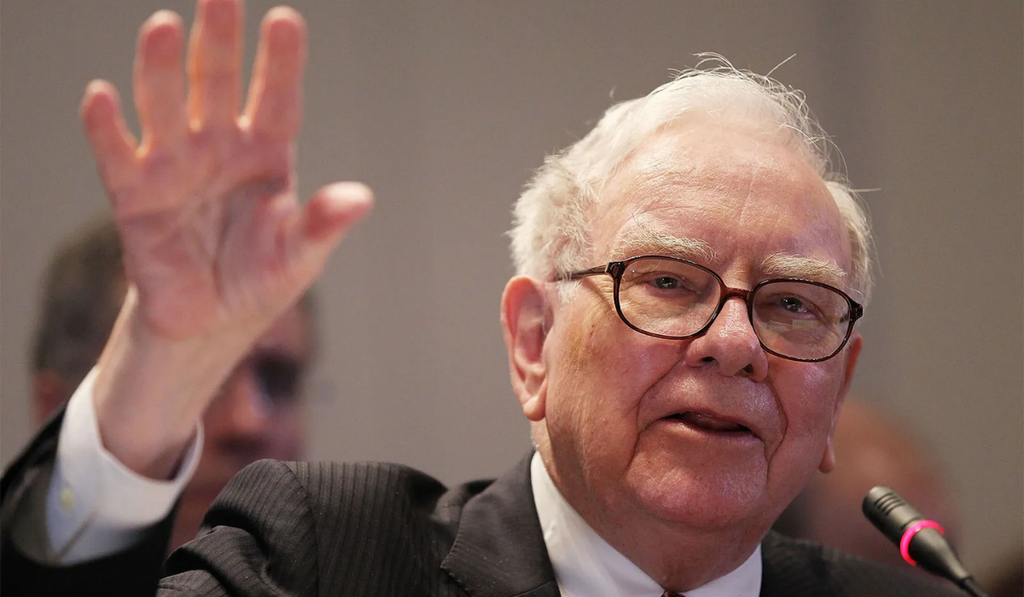
Academic institutions provided the theoretical framework that crystallized natural intuition into a disciplined professional philosophy. After completing high school, Warren Buffett attended the Wharton School before graduating from the University of Nebraska, subsequently pursuing advanced economic studies at Columbia Business School. There, he encountered legendary economist Benjamin Graham, whose teachings on security analysis revolutionized his approach to the markets. Learning under Graham meant understanding that stocks represented fractional ownership in actual living businesses rather than mere trading tickets. These intense academic years bridged the gap between raw youthful ambition and sophisticated analytical capability, setting the stage for pioneering decades of professional asset management, partnership formation, and unprecedented financial market dominance across America.
Establishing Buffett Partnership Ltd and Early Ventures
Returning to his hometown after working in New York, Warren Buffett launched his inaugural investment partnership with a minimal personal stake and capital gathered from trusted relatives. Operating out of a modest office space, he utilized rigorous quantitative criteria to identify undervalued securities ignored by mainstream Wall Street institutions. His operational style prioritized absolute transparency, meticulous record-keeping, and performance-based incentives that aligned his personal success directly with that of his investors. During this dynamic phase, the partnership consistently outperformed broader market indexes through disciplined asset allocation and specialized arbitrage plays. This early entrepreneurial triumph proved that independent analytical rigor could successfully challenge conventional wisdom, paving the way for the eventual acquisition of a historic textile enterprise.
The Transformation of Berkshire Hathaway
Taking control of Berkshire Hathaway marked a monumental turning point in the professional journey of Warren Buffett. Initially facing structural decline within the traditional textile industry, the enterprise was systematically repurposed into a powerful holding vehicle for diverse capital allocations. Rather than liquidating the struggling firm entirely, he redirected its generated cash flows toward high-yielding insurance operations and consumer-facing brands with durable economic moats. This structural pivot allowed the organization to accumulate vast pools of investable float, funding massive equity acquisitions over subsequent decades. Through patience, strategic foresight, and unwavering managerial autonomy granted to subsidiaries, Berkshire evolved into a global conglomerate symbolizing financial stability, operational excellence, and unmatched long-term wealth compounding capacity.
Core Principles of Classic Value Investing
Value investing serves as the foundational bedrock underpinning every major financial decision made by Warren Buffett throughout his storied career. This timeless strategy requires calculating the intrinsic worth of an enterprise based on its projected future cash flows, completely ignoring short-term market noise or emotional volatility. By insisting on a substantial margin of safety before purchasing shares, investors protect themselves against unforeseen economic downturns or analytical miscalculations. Price is what you pay, while value is what you get, a core maxim that dictates restraint during speculative bubbles. Adhering strictly to this philosophy demands immense emotional discipline, patience, and the courage to remain completely indifferent to shifting market trends that captivate less experienced retail or institutional participants.
Understanding Economic Moats and Competitive Advantage
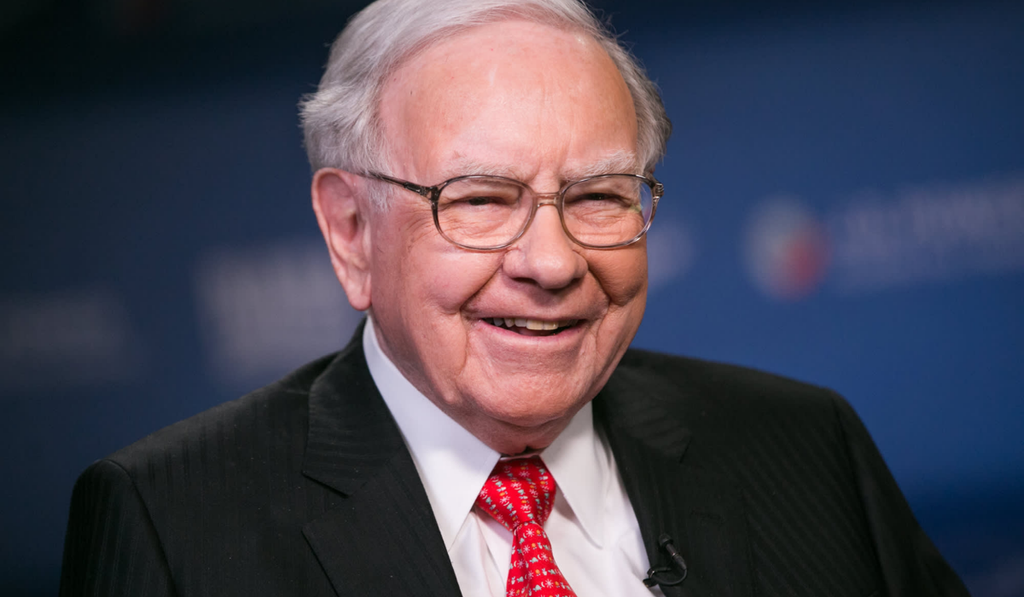
Sustainable long-term profitability heavily relies on possessing a wide economic moat that protects a business from aggressive market competitors. Warren Buffett frequently emphasizes that evaluating a company requires assessing its pricing power, brand loyalty, regulatory patents, or irreplaceable distribution networks. Businesses possessing these formidable defensive barriers can comfortably raise prices without losing customer base to rival entities, ensuring stable margins across inflationary cycles. Identifying such durable competitive advantages separates mediocre cyclical traps from extraordinary compounding machines capable of generating decades of reliable earnings. This analytical lens ensures that capital is deployed exclusively into elite enterprises possessing structural characteristics capable of defending market share against technological disruption or changing consumer preferences.
The Vital Importance of Circle of Competence
Staying firmly within a designated circle of competence remains a cardinal rule for minimizing unnecessary investment errors. Warren Buffett famously advises market participants to invest strictly in industries and business models they thoroughly understand, rather than chasing complex sectors driven by hype. Acknowledging the exact boundaries of one’s personal knowledge prevents catastrophic mistakes born from blind optimism or following dangerous speculative trends. This disciplined boundary-keeping allows analysts to dive deep into financial statements, management track records, and operational risks with absolute clarity. Mastery over a narrow, well-understood domain yields far superior long-term results than superficial diversification across unfamiliar, fast-moving technological landscapes where future cash flows remain entirely unpredictable.
Long Term Holding Periods and Patience
Patience acts as the ultimate catalyst for maximizing the extraordinary power of compounding interest over extended time horizons. Warren Buffett has repeatedly stated that his absolute favorite holding period for a wonderful business is forever, reflecting an owner’s mindset rather than a trader’s mentality. Constantly buying and selling assets incurs unnecessary transaction costs, tax burdens, and emotional stress that heavily impair long-term portfolio growth. Allowing exceptional management teams uninterrupted time to execute strategic initiatives produces exponential wealth creation that outpaces short-term tactical movements. Cultivating this rare psychological endurance enables investors to ride out inevitable macroeconomic storms without disrupting the underlying productive capacity of their carefully chosen equity holdings.
The Legendary Partnership with Charlie Munger
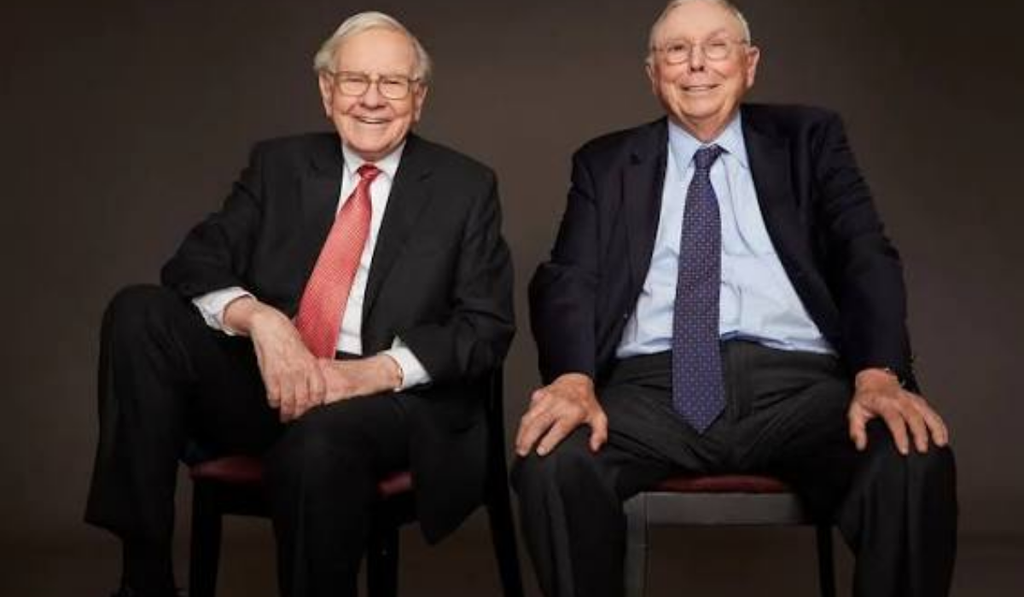
The profound professional and personal partnership between Warren Buffett and Charlie Munger shaped the modern trajectory of Berkshire Hathaway. Joining forces decades ago, Munger challenged traditional Graham-style deep-value orthodoxy by advocating strongly for purchasing wonderful companies at fair prices rather than merely cheap cigar-butt stocks. Their legendary annual shareholder meetings in Omaha became global symposiums on business wisdom, rational thinking, and human psychology. Munger’s razor-sharp intellect and multi-disciplinary mental models complemented Buffett’s quantitative genius, forging an unbreakable leadership bond. Together, they fostered a corporate culture rooted in absolute candor, intellectual honesty, and decentralized operational autonomy, leaving behind an institutional blueprint studied globally by aspiring investors.
Navigating Market Panics and Economic Crises
Severe market downturns and systemic financial crises have consistently provided optimal hunting grounds for deploying accumulated capital reserves. While panic induces widespread selling among institutional and retail investors, Warren Buffett maintains absolute emotional composure, viewing market crashes as golden opportunities. Having navigated numerous recessions, inflationary spikes, and geopolitical shocks, his playbook relies on holding high liquidity to rescue fundamentally sound corporations requiring emergency financing. These calculated interventions during moments of maximum financial distress have historically yielded astronomical returns while solidifying public trust in his steady leadership. Calm rationality amidst widespread market chaos remains a definitive hallmark of his peerless crisis management strategy.
Corporate Governance and Decentralized Management
Decentralized operational management forms the structural core enabling Berkshire Hathaway to successfully oversee dozens of massive subsidiary companies simultaneously. Rather than imposing heavy-handed corporate bureaucracy from headquarters, Warren Buffett grants exceptional subsidiary managers total autonomy over daily operational decisions. Corporate oversight focuses primarily on capital allocation, ethical compliance, and maintaining stellar financial reporting standards rather than micromanaging regional business units. This high-trust environment attracts top-tier entrepreneurial talent who prefer selling their privately owned businesses to Berkshire to preserve corporate culture. Empowering local leadership while maintaining rigorous financial accountability creates an agile corporate federation capable of scaling efficiently across vastly different global industries.
The Power of Annual Shareholder Letters
Comprehensive annual shareholder letters authored by Warren Buffett represent masterclasses in corporate transparency, financial literacy, and economic common sense. Published continuously for decades, these documents offer deep insights into corporate governance, market psychology, and macroeconomic trends packaged in clear, accessible prose. Investors, academics, and business leaders worldwide eagerly parse every new edition to decode his evolving views on market valuations and global trade dynamics. Beyond financial reporting, these letters function as educational tutorials advocating for ethical business practices, shareholder rights, and rational capital stewardship. This unique communication strategy has cultivated a deeply loyal shareholder base while democratizing sophisticated investment knowledge for the general public.
Modest Lifestyle and Frugality Amid Wealth
Enormous personal wealth has done nothing to alter the famously modest, grounded lifestyle maintained throughout decades in Omaha. Warren Buffett continues to reside in the same comfortable suburban home purchased in the mid-twentieth century, driving ordinary automobiles and enjoying simple daily routines. This striking frugality stems from a philosophical rejection of materialistic excess, prioritizing personal autonomy, intellectual stimulation, and professional fulfillment over outward displays of status. His simple habits reinforce a profound authenticity that resonates deeply with the global public, proving that immense financial success does not require abandoning core community roots, humility, or ethical clarity in daily living.
Unprecedented Philanthropy and The Giving Pledge
Commitment to societal welfare culminated in historic philanthropic pledges designed to return the vast majority of accumulated wealth to charitable causes. Co-founding The Giving Pledge alongside fellow billionaires, Warren Buffett inspired the world’s wealthiest individuals to dedicate significant portions of their fortunes to addressing global health and education challenges. Rather than hoarding assets indefinitely, his overarching philosophy views extreme wealth as a temporary societal trust that must be deployed effectively to alleviate human suffering. Massive multi-billion-dollar contributions directed toward global foundations demonstrate that ultimate financial success carries a corresponding moral obligation to improve collective human well-being for future generations.
Mentorship and Educating Future Generations
Passing down financial wisdom to younger generations remains a passionate lifelong pursuit through guest lectures, university Q&A sessions, and public advocacy. Warren Buffett frequently speaks to aspiring business students, emphasizing that character, integrity, and emotional stability far outweigh raw intelligence when navigating professional careers. By demystifying complex financial concepts into relatable life lessons, he has directly or indirectly mentored thousands of successful fund managers, entrepreneurs, and corporate executives globally. This dedication to education ensures that his timeless principles of rational decision-making, ethical leadership, and long-term planning will continue influencing economic thought long after his active management years conclude.
Evolution of Investment Strategy in the Modern Era
Adapting traditional value investing principles to fit a rapidly changing technological landscape required subtle yet significant strategic evolution. While early decades focused purely on undervalued manufacturing and financial assets, modern portfolios expanded to embrace dominant technology giants and digital infrastructure. Warren Buffett demonstrated a willingness to learn new industries, recognizing that intangible assets and software ecosystems now drive global economic moats. This pragmatic flexibility proved that strict adherence to foundational value concepts does not preclude embracing modern commercial innovations. Balancing timeless analytical discipline with adaptive market awareness allowed Berkshire Hathaway to maintain stellar performance across wildly shifting macroeconomic eras and technological revolutions.
Overcoming Investment Mistakes and Analytical Failures
Acknowledging past analytical errors openly serves as a vital component of continuous professional growth and strategic refinement. Throughout a multi-decade career, Warren Buffett has candidly detailed various capital allocation missteps, poor acquisitions, and mistimed exits that destroyed billions in potential value. Rather than concealing failures behind corporate spin, treating these miscalculations as expensive educational tuition enabled him to sharpen future risk assessments. Embracing intellectual accountability fosters an organizational culture where learning from mistakes supersedes saving face. This unflinching self-awareness transformed early operational vulnerabilities into resilient institutional safeguards, proving that permanent financial wisdom is forged directly through surviving and analyzing past misjudgments.
The Lasting Legacy of the Oracle of Omaha
Global media and financial markets appropriately bestowed the title Oracle of Omaha upon a figure whose wisdom transcends mere balance sheet analysis. Warren Buffett stands as a monumental symbol of what disciplined focus, ethical leadership, and rational patience can achieve within a free-market economy. His enduring legacy is woven into the operational DNA of countless corporations, investment funds, and individual portfolios operating worldwide today. By proving that supreme financial success can coexist harmoniously with uncompromising personal integrity and public philanthropy, he redefined the ultimate standard for modern entrepreneurial excellence. History will forever remember his remarkable journey as the definitive masterclass in building generational prosperity through rational thought.
Conclusion on Long Term Wealth and Principles
Mastering financial markets and building enduring corporate value ultimately requires aligning technical expertise with unshakeable moral character and emotional restraint. Warren Buffett demonstrated that sustainable prosperity is never achieved through reckless speculation or shortcuts, but through patient, methodical accumulation of wonderful productive assets. His lifelong dedication to simplicity, continuous learning, and ethical governance provides an invaluable roadmap for anyone seeking meaningful achievement in business and life. As global economies continue evolving through complex technological shifts, the timeless principles championed by Omaha’s legendary investor will remain an essential guiding light for navigating future financial horizons successfully.
FAQs
- What is the primary investment strategy used by Warren Buffett?
- Value investing focusing on strong competitive moats and long-term intrinsic worth.
- Which major company is led by Warren Buffett as its longtime CEO?
- Berkshire Hathaway.
- Who was the influential Columbia professor and mentor to Warren Buffett?
- Benjamin Graham.
- What is the name of the philanthropic campaign co-founded by Warren Buffett?
- The Giving Pledge.
- Where can readers find more comprehensive biographical information about Warren Buffett?
- Read more on the Warren Buffett page.







[…] narrative, noelle inguagiato built a quiet yet steady foundation working behind the scenes in the competitive media landscape. Her early involvement with broadcasting networks allowed her to cultivate a unique […]