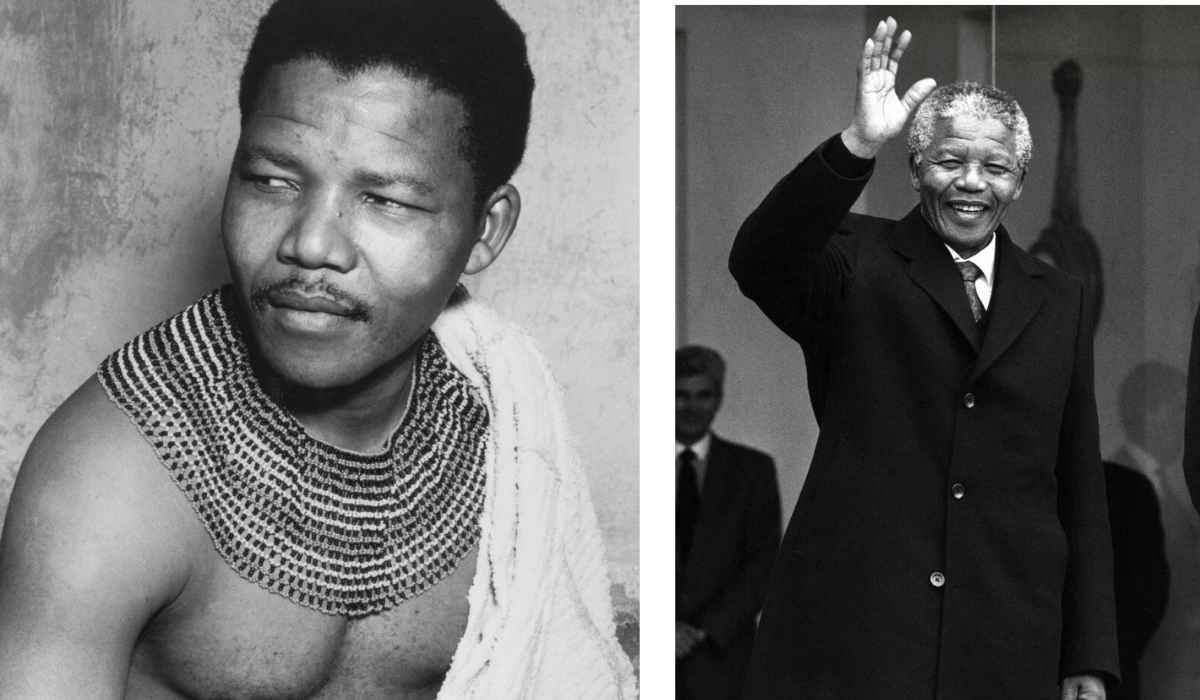
The global journey of Nelson Mandela stands as a profound testament to resilience, capturing hearts worldwide through decades of dedicated activism. Born in a small rural village, this remarkable leader transformed from a young lawyer into an international symbol of peace, equality, and unyielding justice. Throughout his eventful life, Nelson Mandela faced immense personal trials, including decades of unjust incarceration on Robben Island, yet he emerged without bitterness to guide his fractured nation toward a democratic dawn. His exceptional ability to forgive former oppressors astonished observers globally, laying a stable foundation for a multicultural rainbow nation that continues to inspire modern generations striving for freedom everywhere.
Quick Bio
| Attribute | Detail |
| Full Name | Nelson Rolihlahla Mandela |
| Birth Date | July 18, 1918 |
| Birth Place | Mvezo, South Africa |
| Political Party | African National Congress (ANC) |
| Presidency Term | 1994 – 1999 |
| Key Award | Nobel Peace Prize (1993) |
| Passing Date | December 5, 2013 |
Early Childhood Beginnings and Rural Roots in Mvezo
Growing up in the traditional surroundings of Mvezo shaped the foundational values and worldview of Nelson Mandela during his formative years. Raised within the royal Thembu household, young Rolihlahla observed tribal governance and community leadership structures closely before stepping into a wider world. These early rural experiences instilled a deep appreciation for collective discussion, consensus building, and respect for traditional customs that would later influence his political negotiation strategies significantly. The passing of his father during early adolescence marked a major turning point, shifting his custody to local regents who encouraged formal education as a vital tool for personal advancement.
Educational Pursuits and Early Legal Studies in Johannesburg
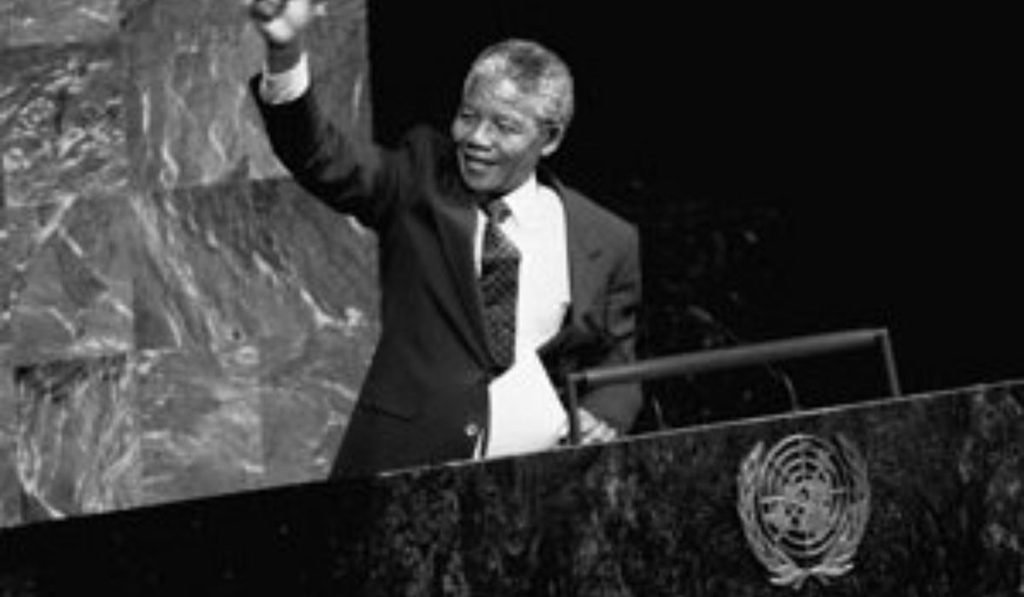
Moving away from his rural home to pursue higher education at Fort Hare University opened new intellectual horizons for Nelson Mandela. Although initial student activism led to a temporary suspension, his determination to study law remained completely unshaken as he relocated to the bustling urban environment of Johannesburg. Balancing demanding legal studies at the University of the Witwatersrand with low-paying jobs provided him with a harsh firsthand look at systemic urban poverty and institutionalized racial discrimination. Immersing himself in this complex metropolitan setting ultimately catalyzed his awakening conscience, driving him directly into the active resistance networks operating across South Africa.
Entering Political Activism and Joining the National Congress
Stepping firmly into the political arena during the early nineteen-forties transformed Nelson Mandela into a passionate advocate for majority rule and civil rights. Alongside close colleagues, he helped establish a dynamic youth league that injected fresh energy and radical vision into aging liberation structures. This newly formed collective argued forcefully for militant mass action, boycotts, and strikes rather than passive petitioning against oppressive state policies that marginalized non-white populations. Through steady dedication, Nelson Mandela climbed the organizational ranks, earning the deep trust of fellow members who valued his sharp intellect, strategic discipline, and courageous commitment to total liberation.
The Defiance Campaign and Resistance Against Apartheid Legislation
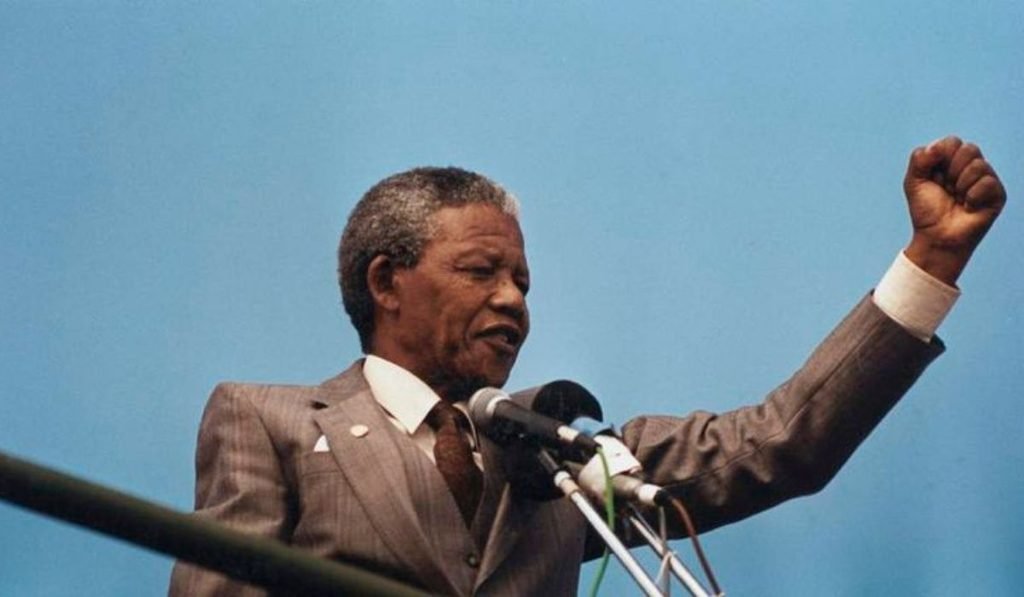
Challenging institutionalized segregation head-on defined the coordinated efforts of the Defiance Campaign spearheaded by Nelson Mandela during the turbulent early fifties. Traveling across the country, he mobilized thousands of ordinary citizens to peacefully violate discriminatory pass laws and unjust municipal regulations designed to restrict movement. Despite facing frequent police harassment, arbitrary arrests, and continuous government surveillance, his resolve to dismantle state-sanctioned racism grew stronger with every single confrontation. This nationwide mobilization demonstrated the powerful impact of organized civil disobedience, turning local protests into a massive national movement that caught the attention of the international community.
Facing Prosecution During the Historic Treason Trial Era
Enduring years of intense legal scrutiny, Nelson Mandela found himself principal defendant in the grueling multi-year Treason Trial starting in nineteen fifty-six. State prosecutors attempted to paint anti-apartheid leaders as violent subversives plotting the forcible overthrow of the government through communist infiltration and revolutionary chaos. Throughout the exhausting court proceedings, the accused brilliantly utilized the legal platform to expose the profound moral bankruptcy and systemic cruelty of racial separation policies. Ultimately resulting in a full acquittal for all defendants, this landmark trial inadvertently provided anti-apartheid leaders with a vital opportunity to unify and consolidate their resistance networks.
Shifting Strategies Toward Militant Action and Umkhonto we Sizwe
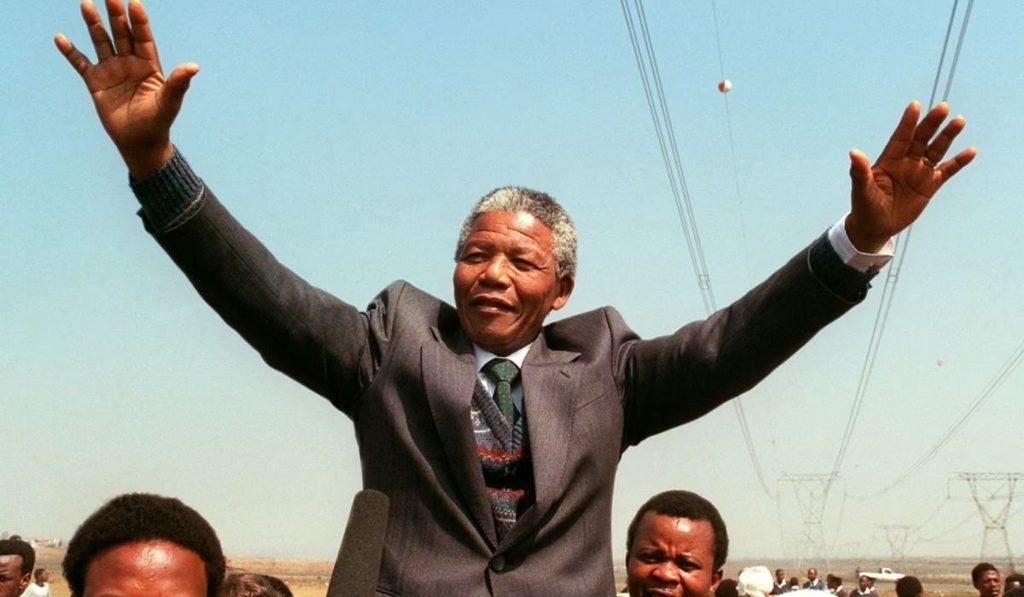
Recognizing that peaceful protests were met with increasing state violence, Nelson Mandela helped launch the armed wing known as Umkhonto we Sizwe. Believing that all non-violent avenues had been systematically blocked by an uncompromising regime, leadership sanctioned targeted sabotage against strategic government infrastructure to force political negotiations. Operating underground under various disguises while evading relentless police manhunts earned him the famous moniker of the Black Pimpernel among supporters and anxious authorities alike. This tactical evolution marked a pragmatic departure from strict pacifism, reflecting the desperate reality of a population pushed into cornered resistance against tyranny.
Going Underground and Gathering International Solidarity Support
Traveling secretly across African borders and European capitals allowed Nelson Mandela to build vital diplomatic alliances for the unfolding liberation struggle abroad. During these clandestine missions, he sought financial backing, military training, and moral endorsement from newly independent nations and sympathetic global organizations eager to help. These overseas interactions broadened his geopolitical perspective, transforming a domestic civil rights campaign into a celebrated international cause celebre supported by global human rights advocates. Returning clandestinely to his homeland, Nelson Mandela resumed underground operations fully aware of the immense personal dangers posed by security forces hunting his exact location.
Capture at Rivonia and the Historic Defense Speech Statement
Facing betrayal and swift capture near Rivonia in nineteen sixty-two sealed a dramatic chapter that culminated in another high-stakes courtroom showdown. During the famous trial, Nelson Mandela delivered an unforgettable speech from the dock, articulating a powerful vision for a democratic and free society. Declaring his readiness to die for the ideal of a non-racial democracy, he transformed his inevitable criminal conviction into a ringing moral indictment of the oppressive ruling regime. This iconic address echoed around the world, turning the courtroom into a global stage that permanently etched his name into the annals of modern revolutionary history.
Surviving Decades of Isolation on Infamous Robben Island
Enduring twenty-seven grueling years behind bars, Nelson Mandela spent most of his long imprisonment inside the harsh confines of Robben Island. Subjected to hard labor, meager rations, and strict censorship, he maintained his psychological fortitude by organizing fellow political prisoners into educational and mutual aid networks. Rather than letting bitterness consume him, he used the long hours to study history, law, and languages while quietly commanding immense moral authority both inside and outside prison walls. This prolonged period of enforced silence transformed a rebel leader into an untouchable global icon of patience, endurance, and unyielding resistance against tyranny.
Transfer to Mainland Prisons and Secret Transition Negotiations
Moving from Robben Island to Pollsmoor and later Victor Verster prisons brought Nelson Mandela closer to the mainland political arena during the late eighties. Recognizing that the country faced an inevitable economic collapse and racial civil war, secret exploratory talks began between imprisoned leadership and state representatives. Displaying remarkable diplomatic foresight, he initiated dialogue to ensure a peaceful transition of power without plunging the fragile nation into catastrophic bloodshed or revenge cycles. These confidential discussions laid the critical groundwork for the eventual dismantling of apartheid structures and the unbanning of long-suppressed political organizations across the country.
Release From Captivity and the Rebirth of Democracy
Walking out of prison gates in nineteen ninety marked an emotional watershed moment celebrated by millions of jubilant supporters across the entire globe. Instantly resuming his leadership role, Nelson Mandela embarked on intensive negotiations with the de Klerk administration to establish a firm timeline for universal democratic elections. Navigating severe political violence, assassinations, and deep-seated racial tensions, he maintained a steady hand to keep the peace process from derailing during its most fragile moments. His unwavering commitment to democratic principles ensured that dialogue triumphed over despair, paving the way for a fully representative government.
Achieving Historic Victory as South Africa First President
Winning the landmark nineteen ninety-four democratic elections propelled Nelson Mandela into the presidency as the country first black head of state. Taking the oath of office, he pledged to build a united, non-racial, and prosperous society that embraced all citizens regardless of their skin color or heritage. His administration immediately tackled massive socioeconomic inequalities by launching housing, electrification, and healthcare initiatives designed to uplift historically marginalized communities. By assuming the highest office with profound humility and grace, he redefined political leadership, proving that former prisoners could govern with magnanimity, wisdom, and strict constitutional integrity.
Championing National Reconciliation Through Sport and Culture
Bridging deep racial divides became the hallmark of the presidency of Nelson Mandela through ingenious symbolic gestures that united a fractured populace. Most famously wearing a Springbok rugby jersey during the nineteen ninety-five World Cup final, he won the hearts of the white minority by embracing a sport previously tied to apartheid. This brilliant act of reconciliation shattered old stereotypes and fostered an unprecedented wave of national unity across diverse cultural groups within South Africa. Through sports, music, and cultural diplomacy, he demonstrated that true leadership requires healing historical wounds rather than reopening them for political gain.
Establishing the Truth and Reconciliation Commission Process
Steering the nation through painful historical truths, Nelson Mandela supported the establishment of the groundbreaking Truth and Reconciliation Commission chaired by Archbishop Desmond Tutu. This unique judicial mechanism allowed perpetrators of gross human rights abuses to confess their crimes in exchange for amnesty, prioritizing restorative justice over retributive punishment. While controversial to some critics, the process provided closure for countless grieving families while exposing the brutal reality of past state-sponsored violence to the public view. This courageous approach to national healing earned global admiration, offering a masterclass in how societies can transition peacefully from authoritarianism to democracy.
International Diplomacy and Global Peace Mediation Efforts
Stepping onto the world stage after his presidency, Nelson Mandela utilized his immense moral capital to mediate conflicts across Africa and the wider globe. Traveling extensively, he advocated for children’s rights, spearheaded campaigns against the HIV/AIDS epidemic, and supported peace talks in troubled regions like Burundi and the Middle East. His independent voice refused to bow to superpower pressures, often criticizing unjust foreign policies while remaining a steadfast champion for the global marginalized. As a founding member of The Elders, he continued offering wise counsel to international leaders, solidifying his status as a universal statesman of peace.
Philanthropic Foundations and Ongoing Humanitarian Legacy Works
Directing post-presidency efforts toward charitable initiatives, Nelson Mandela established several influential organizations focused on education, rural development, and children’s welfare. The foundation bearing his name became a vital repository for historical memory, promoting human rights education and social justice dialogues worldwide. He encouraged global citizens to dedicate sixty-seven minutes of their time to community service on his birthday, turning an annual commemoration into a worldwide day of volunteerism. These institutional endeavors ensured that his lifelong mission of uplifting humanity would persist long after his active political career had drawn to a close.
Final Years of Retirement and National Mourning Traditions
Spending his final years quietly in Qunu and Johannesburg, Nelson Mandela remained a deeply cherished figure until his peaceful passing in December twenty thirteen. News of his death triggered an outpouring of global grief, with world leaders, activists, and ordinary citizens paying heartfelt tributes to his extraordinary legacy. A massive state funeral blending traditional Xhosa rituals with modern military honors celebrated a life well-lived in service to humanity. Tributes poured in from every corner of the earth, cementing his eternal place in history as a beacon of hope and moral clarity for all mankind.
Lasting Influence on Modern Human Rights and Global Justice
Leaving behind an imperishable blueprint for courage, Nelson Mandela continues to inspire contemporary social justice movements fighting oppression across the globe. His writings, speeches, and steadfast commitment to human dignity serve as timeless study material for activists seeking peaceful solutions to seemingly intractable conflicts. By proving that tyranny can be defeated through moral steadfastness and strategic reconciliation, he permanently altered the trajectory of modern political philosophy. The ideals he fought for remain a guiding light for anyone striving to build a fairer, kinder, and more inclusive world for future generations.
Commemorating Madiba Through Global Celebrations and Awards
Honoring the memory of Nelson Mandela involves thousands of international awards, statues, and institutional recognitions dedicated to preserving his towering legacy. The United Nations officially designated his birthday as an international day celebrating public service, community engagement, and cross-cultural harmony. Schools, streets, and public squares globally bear his name, reminding passersby of the supreme value of liberty, forgiveness, and equality. Through these widespread tributes, the spirit of Madiba lives on, inspiring new generations to champion justice and human rights in their own local communities.
- What was the birth name of Nelson Mandela?
- Nelson Rolihlahla Mandela was given the birth name Rolihlahla, which colloquially translates from Xhosa as troublemaker.
- How many years did Nelson Mandela spend in prison?
- He spent a total of twenty-seven years incarcerated, primarily on Robben Island, before his release in nineteen ninety.
- When did Nelson Mandela receive the Nobel Peace Prize?
- He was awarded the prestigious Nobel Peace Prize in nineteen ninety-three alongside former president F. W. de Klerk.
- What role did Nelson Mandela hold from 1994 to 1999?
- He served as the first black president of South Africa, leading the country through its historic democratic transition.
- What is Nelson Mandela’s traditional Xhosa clan name?
- He was widely and affectionately known by his clan name, Madiba, throughout South Africa and across the world.