
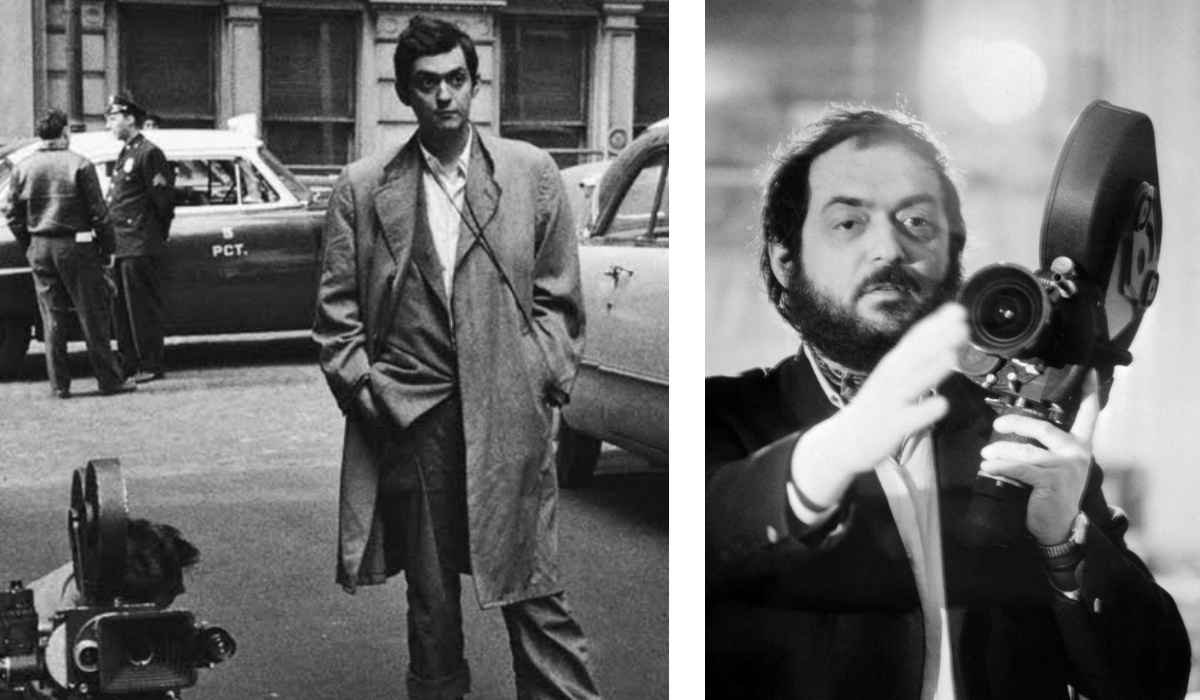
The rich tapestry of modern cinema contains few figures as profoundly influential or meticulously demanding as Stanley Kubrick. Born in New York City, this legendary auteur redefined visual storytelling through relentless precision, philosophical depth, and technical innovation. From his early days as a gritty street photographer to his status as a reclusive master filmmaker working inside the English countryside, every single frame he crafted invited endless analysis. His cinematic journey spanned multiple genres, leaving permanent marks on science fiction, psychological horror, historical drama, and biting satire. Exploring his life reveals an artist who constantly pushed boundaries and demanded absolute perfection from everyone involved in his monumental productions.
Quick Bio
| Attribute | Detail |
| Full Name | Stanley Kubrick |
| Birth Date | July 26, 1928 |
| Death Date | March 7, 1999 |
| Birthplace | New York City, USA |
| Occupation | Director, Producer, Screenwriter, Photographer |
| Years Active | 1951–1999 |
| Notable Works | 2001: A Space Odyssey, The Shining, A Clockwork Orange |
Early Beginnings in New York Photography
Growing up in the boroughs of New York, a young Stanley Kubrick displayed a natural talent for capturing striking visual moments through a camera lens. Before transitioning into motion pictures, he worked as a staff photographer for Look magazine, documenting the vibrant hustle of urban life. This formative period sharpened his composition skills and taught him how a single framed image could convey complex emotional narratives without uttering a single word. His early photographic assignments allowed him to travel across the country, sharpening an innate visual intuition that would later define his iconic cinematic style on the silver screen.
The Transition to Independent Filmmaking
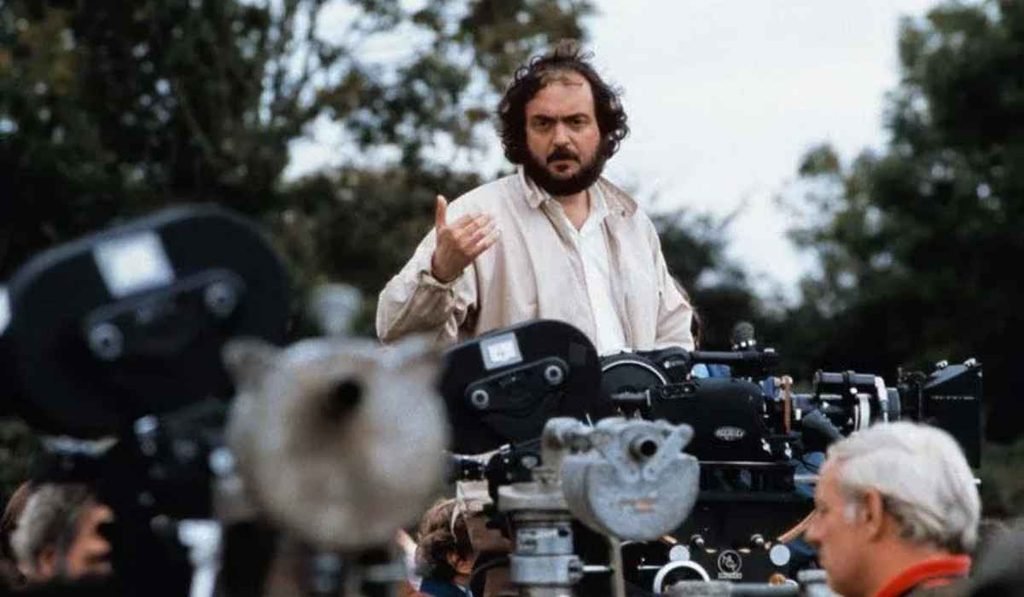
Moving away from still photography, the ambitious creator decided to test his creative boundaries by entering the dynamic world of motion picture production. Financing his earliest independent projects through personal savings and loans from relatives, Stanley Kubrick tackled multiple crew roles simultaneously, acting as director, cinematographer, and editor. These early indie ventures, though made on extremely modest budgets, served as his practical film school. They instilled a fierce sense of artistic independence that protected his unique vision from studio interference, establishing a lifelong pattern of maintaining ultimate creative control over every cinematic project he pursued.
Mastering Film Noir with Early Crime Dramas
As his career progressed into the mid-fifties, the talented director turned his attention toward gritty crime narratives and atmospheric film noir pieces. Movies like Killer’s Kiss and The Killing showcased his growing mastery over suspenseful pacing, non-linear storytelling structures, and hardboiled dialogue. Critics immediately took notice of his sharp eye for shadowy lighting arrangements and tense psychological standoffs. These tight, efficient genre exercises proved that Stanley Kubrick could handle complex narrative mechanics efficiently while delivering stylish entertainment that captivated audiences and drew favorable comparisons to seasoned Hollywood veterans of that era.
Exposing the Absurdity of War in Paths of Glory
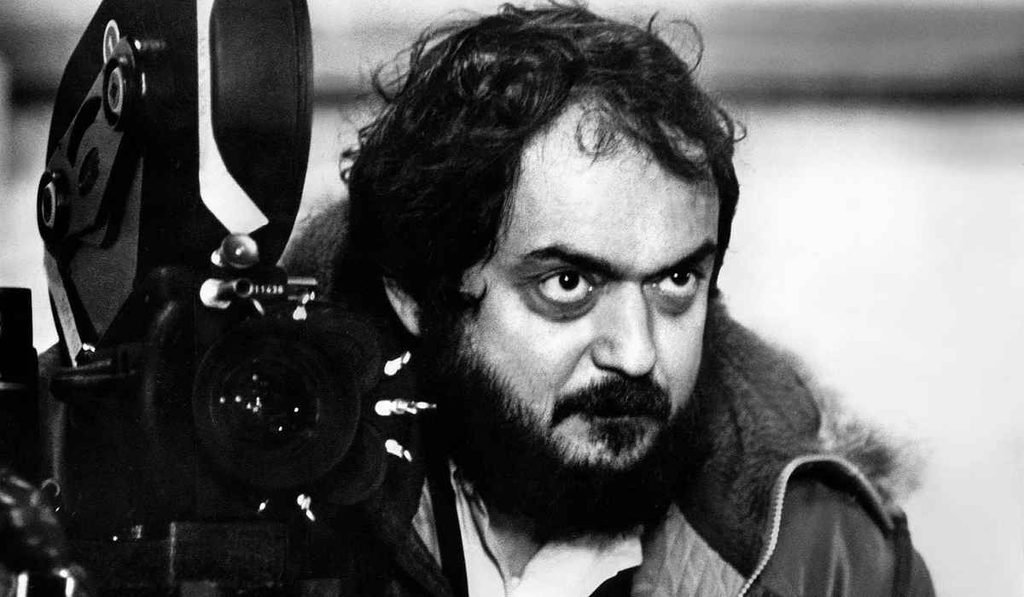
Stepping into large-scale studio productions, the brilliant auteur delivered a devastating critique of military bureaucracy and institutional callousness with a powerful trench warfare drama. Set during the First World War, Paths of Glory followed a principled commander defending his doomed soldiers against corrupt leadership. The stunning tracking shots through narrow trenches demonstrated groundbreaking camera movement that influenced generations of subsequent filmmakers. Through unyielding realism and stark emotional honesty, Stanley Kubrick cemented his reputation as a fearless storyteller willing to confront uncomfortable historical truths rather than offering comforting patriotic clichés to mainstream viewers.
Stepping into Epic Historical Scale with Spartacus
Taking over directorial duties on a massive historical epic presented a unique set of challenges for the fiercely independent artist. Collaborating with major Hollywood stars, Stanley Kubrick managed thousands of extras while staging sweeping battle sequences across vast outdoor expanses. Although studio executives heavily restricted his control over the final cut during this massive production, the resulting film became a commercial triumph and a staple of the historical genre. The experience ultimately convinced Stanley Kubrick that true artistic fulfillment required total independence, leading him to relocate permanently to England where he could orchestrate his future productions without studio interference.
Navigating Controversy with the Adaptation of Lolita
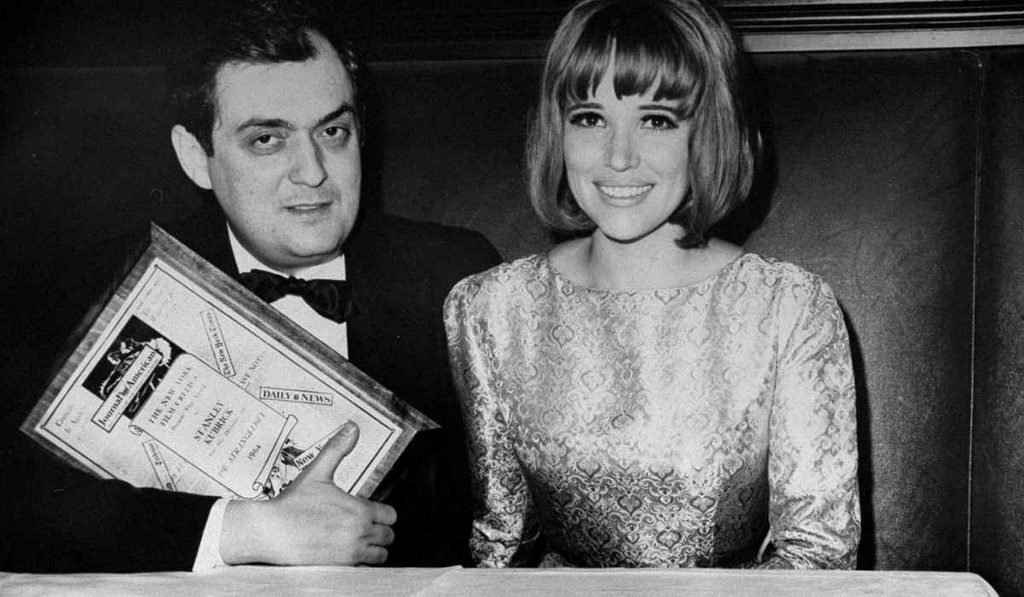
Adapting Vladimir Nabokov’s controversial literary masterpiece required immense courage and a delicate handling of sensitive thematic material. By transforming the tricky source text into a dark satirical comedy, Stanley Kubrick exposed the bizarre hypocrisies embedded deep within mid-century American suburban culture. Stellar performances from a talented ensemble cast brought out the tragicomic elements of obsession and manipulation. Despite facing intense censorship pressures from moral watchdogs, Stanley Kubrick navigated the stormy controversy skillfully, turning the project into an artistic triumph that further expanded his dynamic range as a fiercely fearless narrative provocateur.
Satirizing the Cold War in Dr. Strangelove
The existential threat of nuclear annihilation found brilliant, biting expression in a black comedy that skewered military paranoia and political madness. Featuring multiple tour-de-force performances by Peter Sellers, Dr. Strangelove or: How I Learned to Stop Worrying and Love the Bomb remains an unmatched masterpiece of political satire. The claustrophobic war room sets and unhinged military generals created an unforgettable cinematic experience. Through razor-sharp wit and pitch-black humor, Stanley Kubrick demonstrated that laughter could serve as a profound weapon against the terrifying absurdity of mutually assured destruction during the peak of the Cold War.
Redefining Science Fiction in 2001: A Space Odyssey
Collaborating closely with sci-fi author Arthur C. Clarke, the visionary director constructed a metaphysical space epic that permanently altered the trajectory of modern cinema. 2001: A Space Odyssey stunned global audiences with its unprecedented practical special effects, minimalist dialogue, and soaring classical soundtrack choices. Exploring human evolution, artificial intelligence, and extraterrestrial intelligence, the philosophical narrative invited endless debate. Winning his only competitive Academy Award for visual effects, Stanley Kubrick proved that science fiction could function as high art, captivating the collective imagination of millions of moviegoers worldwide.
Exploring Dystopian Futures in A Clockwork Orange
Adapting Anthony Burgess’s chilling futuristic novella brought fresh waves of public controversy and intense critical debate across international cultural landscapes. A Clockwork Orange examined free will, state-sponsored behavioral conditioning, and escalating youth violence through a stylized, highly provocative lens. The unsettling juxtaposition of ultra-violent sequences with cheerful classical music underscored the film’s disturbing philosophical inquiries. Facing intense media backlash in the United Kingdom, Stanley Kubrick famously requested the film’s withdrawal from British distribution, cementing his status as an uncompromising artist who consistently challenged societal comfort zones.
Crafting Period Elegance in Barry Lyndon
Shifting gears entirely, the meticulous perfectionist immersed himself in the 18th century to create a visually breathtaking historical period drama. Barry Lyndon utilized specialized NASA-developed high-speed lenses and natural candlelight to capture indoor scenes with authentic painterly beauty, mimicking classical oil paintings. Every costume, prop, and location adhered strictly to historical accuracy under his watchful eye. While initial box office returns in America proved modest, global film critics eventually recognized the sweeping epic as a staggering technical achievement, proving that Stanley Kubrick could master slow-burn character studies just as effectively as high-concept science fiction.
Pioneering Psychological Terror in The Shining
Redefining the horror genre through architectural dread and psychological disintegration, the meticulous creator adapted Stephen King’s famous novel into a chilling cinematic masterpiece. The Shining utilized early experimental Steadicam technology to glide effortlessly through the labyrinthine corridors of the isolated Overlord Hotel. Tormented performances, eerie sound design, and iconic imagery created an atmosphere of inescapable doom. Famously demanding dozens of repetitive takes for individual scenes, Stanley Kubrick pushed his actors to emotional extremes, resulting in a timeless horror classic that continues to inspire countless fan theories and analytical breakdowns today.
Confronting the Brutality of War in Full Metal Jacket
Returning to the combat genre later in his career, the visionary filmmaker dissected the dehumanizing process of military training and combat. Full Metal Jacket split its narrative focus between the brutal psychological conditioning of marine recruits on home soil and the urban devastation of the Vietnam War. Stripping away traditional Hollywood heroism, the raw production highlighted the psychological fragmentation experienced by soldiers caught up in geopolitical conflicts. Through chilling realism and sharp pacing, Stanley Kubrick offered a definitive statement on the destructive psychological toll of modern warfare on the human spirit.
Unveiling Secrets in Final Work Eyes Wide Shut
Releasing his final cinematic achievement posthumously, the legendary director explored themes of marital jealousy, nocturnal temptation, and psychological mystery in New York City. Eyes Wide Shut plunged viewers into an eerie, dreamlike nocturnal odyssey starring Tom Cruise and Nicole Kidman. Meticulously recreated on London soundstages, the secretive Manhattan environment exuded palpable tension and erotic ambiguity. Finishing the final cut just days before his passing, Stanley Kubrick left behind a haunting, deeply enigmatic swan song that invites ongoing interpretations regarding the complex realities of human intimacy and desire.
The Perfectionist Directorial Style and Multiple Takes
Renowned throughout the entertainment industry for his uncompromising work ethic, the legendary auteur famously demanded absolute perfection from his cast and crew. This obsessive commitment manifested in his signature method of shooting dozens—sometimes over a hundred—repetitive takes for standard scenes until all artificiality vanished from the performances. Actors frequently found this grueling process emotionally and physically exhausting, yet the results consistently produced raw, unforgettable screen presence. By refusing to settle for adequate footage, Stanley Kubrick ensured that every completed film met his impossibly high standard of artistic excellence.
Total Artistic Control and Studio Independence
Breaking away from the traditional constraints of the Hollywood studio system, the reclusive genius engineered a unique career model based in the English countryside. Operating out of his home office at Childwickbury Manor, he handled research, writing, editing, and worldwide distribution strategies personally. Major studios readily provided financial backing while granting him complete autonomy over casting, editing, and marketing campaigns. This rare level of institutional freedom allowed Stanley Kubrick to craft deeply personal, uncompromising artistic statements without ever succumbing to corporate pressures or commercial compromise.
The Mythos of the Reclusive Master Filmmaker
As decades passed, the enigmatic creator cultivated a legendary reputation for his reclusive lifestyle, rarely granting interviews or making public appearances. Choosing to live quietly in rural England, Stanley Kubrick fueled intense public fascination through his long absences between film releases. Media outlets frequently speculated about his private life and rumored unrealized projects, turning him into a mythical figure within modern culture. This deliberate withdrawal from celebrity culture ensured that public attention remained focused exclusively on his meticulously crafted cinematic works rather than his personal background.
Enduring Influence on Modern Auteurs
Generations of contemporary filmmakers consistently cite the legendary director as a primary source of inspiration for their own cinematic endeavors. Renowned modern directors frequently praise his innovative camera movements, symmetrical framing compositions, and fearless exploration of dark human psychology. References, homages, and stylistic nods to his filmography appear regularly across modern blockbusters and independent art-house projects alike. This continuous stream of creative homage demonstrates that the artistic DNA of Stanley Kubrick remains deeply embedded within the fabric of contemporary global filmmaking.
Preserving the Cinematic Archive and Legacy
Following his peaceful passing in 1999, concerted efforts by film archives, family members, and devoted scholars have worked tirelessly to preserve his complete creative archive. Restored master prints, behind-the-scenes documentaries, and comprehensive museum exhibitions continue introducing new generations of moviegoers to his extraordinary body of work. Educational institutions analyze his production techniques, ensuring that his pioneering contributions to cinematography, editing, and sound design are never forgotten. The legacy of Stanley Kubrick stands as a towering monument to uncompromising creative vision and dedication to cinematic art.
Celebrating a Timeless Artistic Vision
Reflecting upon the complete cinematic output of this twentieth-century master reveals an artist who treated filmmaking as a supreme vehicle for philosophical exploration. Refusing to pander to passing trends or easy audience resolutions, Stanley Kubrick crafted timeless works that demand active intellectual engagement from every viewer. His dedication to visual splendor and rigorous storytelling guarantees his work will be studied, debated, and admired for centuries. Ultimately, the profound cultural footprint left by Stanley Kubrick serves as an enduring testament to the power of independent thought and artistic mastery within the global film community.
FAQs
- What was the first feature film directed by Stanley Kubrick?
- Fear and Desire (1953) marked his debut feature-length project as an independent filmmaker.
- Did Stanley Kubrick ever win an Academy Award for best director?
- No, despite numerous nominations, his only competitive Oscar win was for visual effects on 2001: A Space Odyssey.
- Why did Stanley Kubrick move to England?
- He relocated to gain complete artistic freedom and independence from Hollywood studio interference.
- How many feature films did Stanley Kubrick direct during his career?
- He directed a total of thirteen feature-length motion films over his active decades.
- What was Stanley Kubrick’s final completed movie?
- Eyes Wide Shut, released posthumously in 1999, served as his final cinematic work.







[…] salon owner living in the bustling city of Boston. Beyond her widely recognized association with professional basketball star Jayson Tatum, she has steadily built a powerful personal brand centered on natural […]