
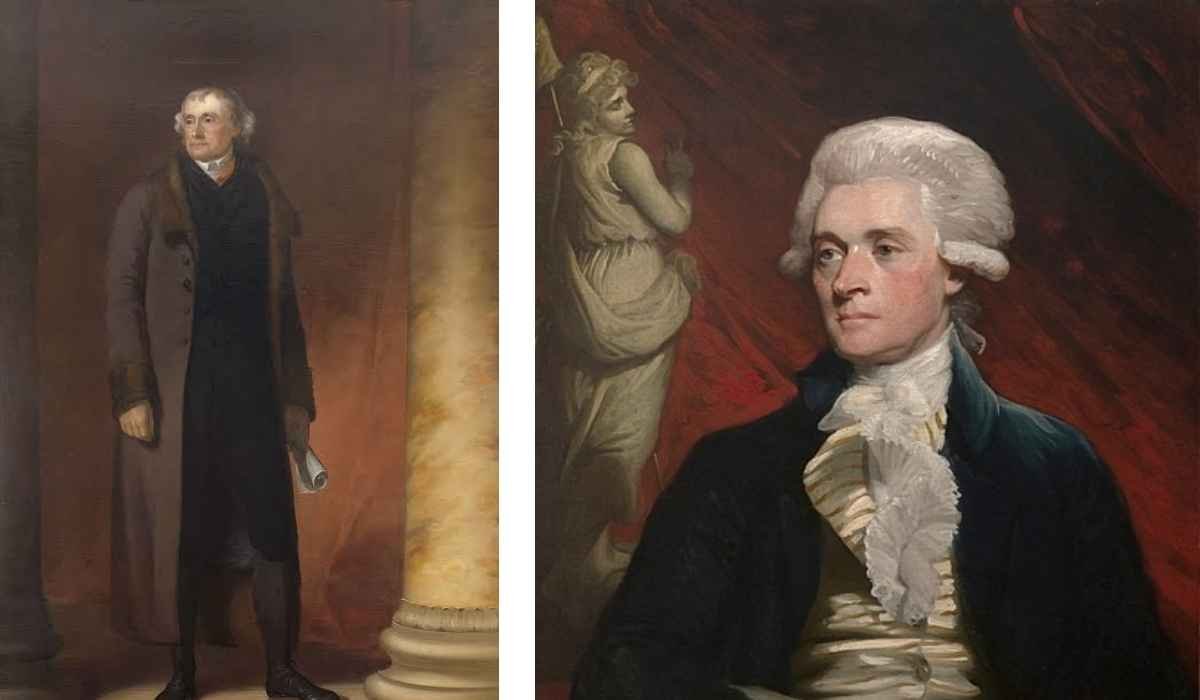
Thomas Jefferson stood as a brilliant intellectual, a dedicated statesman, and the principal author of the Declaration of Independence. Born in Virginia in 1743, he possessed a profound vision for a new republic rooted in liberty, agrarian values, and the unalienable rights of man. Throughout his dynamic public career, he served as a colonial legislator, wartime governor, minister to France, secretary of state, vice president, and ultimately the third president of the United States. His wide-ranging intellect spanned architecture, agriculture, philosophy, and linguistics, making him a true Renaissance man of the Enlightenment era. This comprehensive exploration examines his foundational contributions, political philosophy, and enduring historical footprint across the modern world.
Quick Bio
| Attribute | Detail |
| Full Name | Thomas Jefferson |
| Birth Date | April 13, 1743 |
| Death Date | July 4, 1826 |
| Birth Place | Shadwell, Virginia |
| Key Role | Primary Author of the Declaration of Independence |
| Presidency | 3rd U.S. President (1801–1809) |
Early Beginnings in Colonial Virginia
Thomas Jefferson entered the world in a modest farmhouse located in Albemarle County, Virginia, where his father worked as a surveyor and planter. Growing up amidst the vast wilderness of the American frontier instilled in him a lifelong appreciation for the natural environment and agrarian life. His early education included rigorous instruction in classical languages, mathematics, and science under the guidance of local clergymen. These formative years shaped his intellectual curiosity and laid the groundwork for his future academic and political achievements. The young Virginian absorbed the values of duty, honor, and public service that defined the local planter elite.
Higher Education at William and Mary
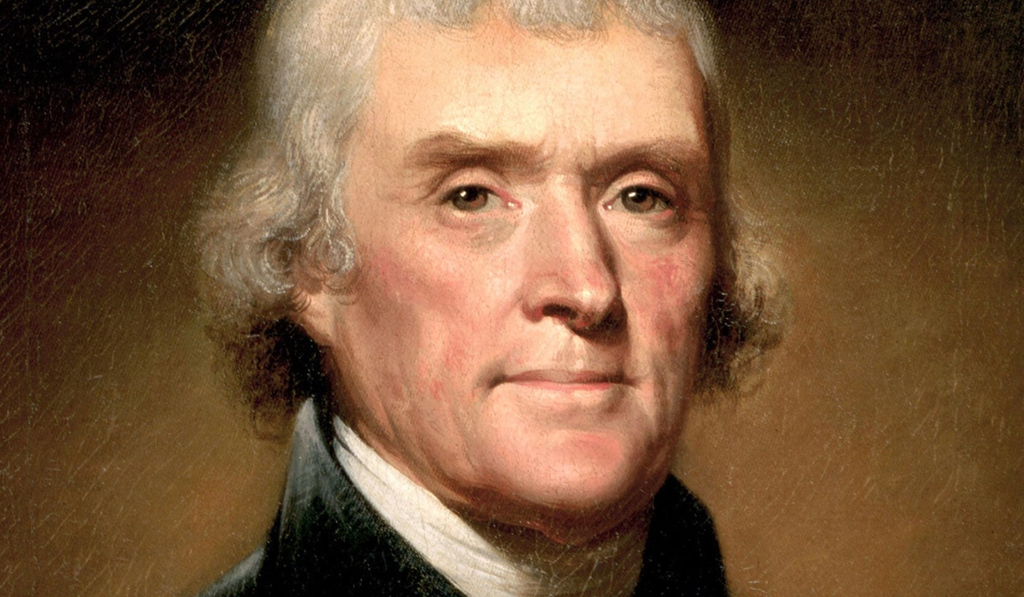
Entering the College of William and Mary in Williamsburg marked a pivotal turning point for Thomas Jefferson. Immersed in the vibrant intellectual atmosphere of the colonial capital, he devoted himself tirelessly to his studies, frequently spending up to fifteen hours a day reading philosophy, science, and law. He formed close relationships with influential mentors like Professor William Small and jurist George Wythe, who introduced him to the writings of European Enlightenment thinkers such as John Locke and Isaac Newton. This academic immersion broadened his worldview and cultivated a profound commitment to rational inquiry, empirical observation, and human reason above dogma.
Legal Career and Admission to the Bar
Following his collegiate success, Thomas Jefferson pursued a rigorous legal apprenticeship under the esteemed George Wythe, mastering the intricate details of English common law and colonial jurisprudence. He gained admission to the Virginia bar in 1767 and quickly established a reputation as a thorough, diligent, and intellectually formidable attorney. Although his voice lacked the booming resonance required for fiery courtroom oratory, his exceptional skill in drafting legal briefs and analyzing complex statutes earned him deep respect among his peers. This foundational legal background proved essential when he later transitioned into drafting revolutionary political documents.
Marriage to Martha Wayles Skelton
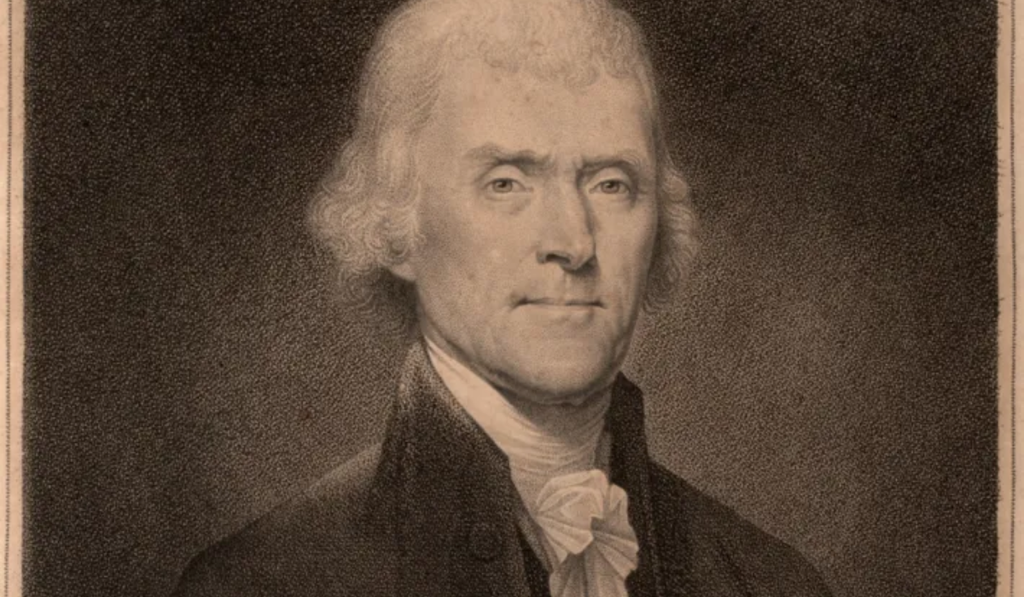
The year 1772 brought significant personal joy when Thomas Jefferson married Martha Wayles Skelton, a gracious and accomplished young widow. The couple settled into their newly constructed mountaintop home, which he named Monticello, a testament to his passion for neoclassical architecture and design. Their marriage was characterized by shared intellectual pursuits, mutual affection, and deep companionship, though it was tragically cut short by her declining health and early death a decade later. The union also significantly expanded his personal wealth, increasing his landholdings and the number of enslaved individuals living on his plantation estate.
Entry into the House of Burgesses
Stepping into the political arena, Thomas Jefferson won election to the Virginia House of Burgesses in 1769, representing his home county of Albemarle. In this colonial legislative body, he aligned himself quickly with the radical faction of patriots who opposed oppressive British taxation and parliamentary overreach. His pen became his primary weapon, as he joined fellow firebrands in organizing resistance movements and communicating grievances with neighboring colonies. This legislative experience provided him with a front-row seat to the mounting tensions that would soon erupt into open revolution across the North American continent.
Authorship of A Summary View
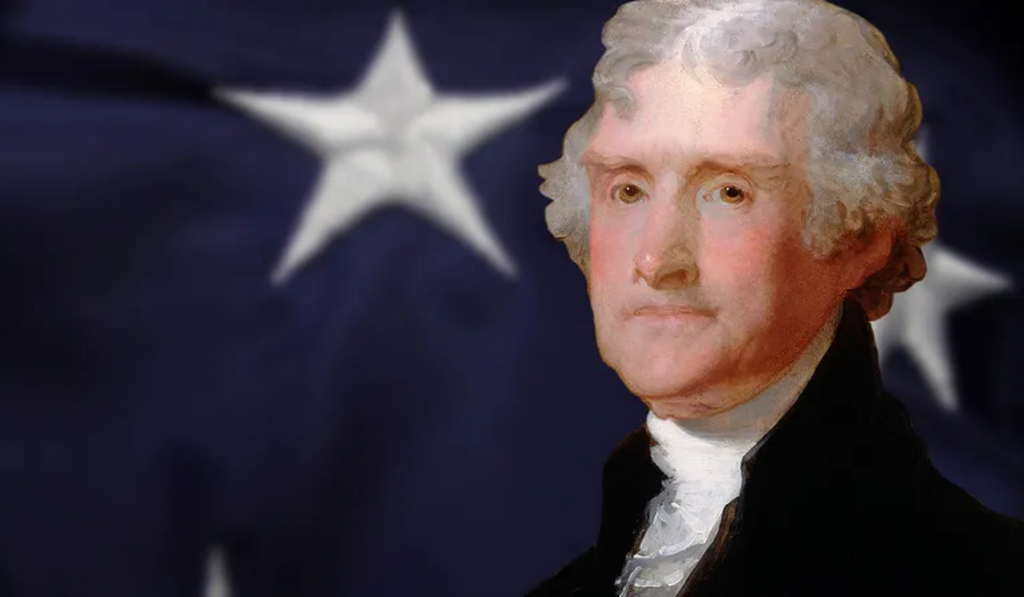
Publishing A Summary View of the Rights of British America in 1774 catapulted Thomas Jefferson into the broader spotlight of colonial resistance. Originally written as a set of instructions for Virginia delegates to the First Continental Congress, the fiery pamphlet boldly argued that Parliament possessed no legitimate authority over the internal affairs of the American colonies. He maintained that Americans owed allegiance only to the Crown through voluntary compact, challenging King George III directly to respect colonial rights. This articulate critique established his reputation as one of the most brilliant political theorists of the unfolding revolutionary movement.
Delegate to the Continental Congress
Arriving in Philadelphia in 1775 as a delegate to the Second Continental Congress, Thomas Jefferson brought a reputation for sharp analytical writing and unwavering commitment to the patriot cause. While he generally remained quiet during heated floor debates, his fellow delegates quickly recognized his unmatched capability to synthesize complex grievances into powerful prose. Working alongside visionary leaders from diverse backgrounds, he immersed himself in the heavy workload of committee assignments. His growing influence within the congressional assembly positioned him perfectly for the historic task that awaited him in the scorching summer of 1776.
Drafting the Declaration of Independence
Appointed alongside Benjamin Franklin and John Adams to a five-person committee, Thomas Jefferson assumed the monumental responsibility of drafting the Declaration of Independence. Over seventeen days in a rented Philadelphia room, he poured his philosophical convictions onto paper, asserting that all men possess natural rights to life, liberty, and the pursuit of happiness. Congress debated and edited his text, ultimately adopting the historic document on July 4, 1776. This masterpiece of political rhetoric permanently linked his name to the birth of a new nation dedicated to democratic principles and self-governance.
Reforming Virginia State Laws
Returning to his home state, Thomas Jefferson served in the Virginia House of Delegates and embarked on a massive campaign to modernize state laws. He drafted over one hundred bills designed to erase feudal remnants, abolish primogeniture, and establish a comprehensive system of public education for ordinary citizens. Among his proudest legislative achievements was the drafting of the Virginia Statute for Religious Freedom, which dismantled the state-backed Anglican Church and guaranteed absolute liberty of conscience. These structural reforms served as a blueprint for progressive governance across the emerging American states.
Governorship During Wartime Crisis
Assuming the wartime governorship of Virginia in 1779, Thomas Jefferson faced an unprecedented administrative nightmare as British military forces invaded the commonwealth. With minimal militia resources, depleted supplies, and an undefended coastline, his administration struggled to protect local citizens from rapid enemy incursions led by Benedict Arnold and Cornwallis. The crisis peaked when British cavalry raided Monticello, forcing him and the legislature to flee into the surrounding mountains. Although critics later questioned his executive preparedness during the invasion, an official legislative inquiry ultimately exonerated his conduct with honor.
Minister Plenipotentiary to France
Traveling across the Atlantic in 1784, Thomas Jefferson joined American diplomats in Europe before succeeding Benjamin Franklin as the U.S. Minister to France. Stationed in Paris until 1789, he immersed himself in European culture, architecture, and the intellectual ferment preceding the French Revolution. He successfully negotiated commercial treaties, cultivated vital foreign alliances, and observed firsthand the volatile social dynamics of the Old Regime. Living abroad also granted him a unique perspective on American strengths and weaknesses, helping him refine his federalist and republican ideals before returning to a transformed domestic political landscape.
Secretary of State Under Washington
Accepting President George Washington’s appointment as the nation’s first secretary of state in 1790, Thomas Jefferson returned home to manage foreign affairs under the newly ratified Constitution. Soon, however, a bitter ideological clash erupted between his vision of an agrarian republic and Secretary of the Treasury Alexander Hamilton’s push for a powerful centralized economy and national bank. These fierce policy disagreements fractured Washington’s cabinet and gave rise to America’s first organized political parties. Frustrated by growing Hamiltonian influence, he ultimately resigned from the cabinet in late 1793 to regroup his political allies.
The Election of 1800 and Vice Presidency
Emerging as the undisputed leader of the Democratic-Republican Party, Thomas Jefferson ran for president in 1796 and finished second to John Adams, making him vice president under a flawed constitutional system. The bitter political polarization of the decade culminated in the tense election of 1800, which resulted in an electoral tie between him and Aaron Burr. After a dramatic House deadlock resolved by strategic intervention, he secured the presidency. This peaceful transfer of power from Federalists to Republicans demonstrated the durable resilience of the American constitutional framework.
First Term and the Louisiana Purchase
Stepping into the presidency in 1801, Thomas Jefferson initiated sweeping reforms by cutting federal budgets, reducing military expenditures, and eliminating unpopular whiskey taxes. His administration’s crowning achievement arrived in 1803 when he authorized the acquisition of the Louisiana Territory from France for fifteen million dollars. This monumental land deal instantly doubled the geographic size of the United States, securing control of the Mississippi River and opening vast western territories for exploration and settlement. He subsequently dispatched the Lewis and Clark expedition to map and document this uncharted wilderness.
Second Term and Foreign Entanglements
Facing reelection in 1804 with overwhelming popular support, Thomas Jefferson encountered severe diplomatic hurdles during his second term as European powers embroiled in the Napoleonic Wars repeatedly violated American neutral shipping rights. Seeking a peaceful alternative to outright war, he championed the Embargo Act of 1807, which completely halted international trade with foreign nations. Unfortunately, the embargo crippled the domestic economy, generated widespread smuggling, and proved deeply unpopular among merchants in the Northeast. He retired from public office in 1809 eager to escape the relentless burdens of high political office.
Retirement at Monticello and Intellectual Pursuits
Withdrawing permanently to his beloved Monticello estate, Thomas Jefferson spent his final decades managing his plantation, maintaining an extensive correspondence with global intellectuals, and rebuilding his personal library. His original book collection had been sold to Congress to replace volumes burned by the British, forming the foundational core of the modern Library of Congress. During these peaceful years, he constantly tinkered with agricultural inventions, studied classical texts, and supervised visiting scholars. His mountaintop home became a vibrant destination for political leaders, curious travelers, and devoted family members.
Founding the University of Virginia
Devoting his final major public effort to education, Thomas Jefferson conceptualized, designed, and successfully established the University of Virginia, which opened its doors in 1825. Eschewing traditional religious dominance in higher education, he designed an innovative academic village centered around a magnificent rotunda library rather than a campus chapel. He personally recruited distinguished European professors, outlined the comprehensive curriculum, and oversaw the architectural construction of the serpentine walls and student pavilions. This academic institution stands as his most enduring monument to secular learning, enlightenment, and intellectual freedom.
Complex Legacy and Historical Perspective
Examining the life of Thomas Jefferson reveals a profound paradox that continues to spark intense scholarly debate and modern reflection. While he articulated universal principles of human equality and freedom with unmatched eloquence, he was simultaneously a lifelong slaveholder who owned hundreds of enslaved individuals throughout his lifetime. His complex personal relationships, financial debts, and moral compromises illustrate the deep contradictions embedded within the founding generation of the United States. Nevertheless, his written words, institutional creations, and political frameworks remain foundational pillars of American democracy and civil liberty.
Final Hours and Death on July Fourth
Passing away peacefully on July 4, 1826, Thomas Jefferson breathed his last breath at Monticello exactly fifty years to the day after the adoption of the Declaration of Independence. In a remarkable historical coincidence, his lifelong friend and political rival John Adams died in Massachusetts on the exact same morning. He left behind a meticulously drafted epitaph that omitted his high political offices, choosing instead to be remembered solely as the author of the Declaration of Independence, the statute for religious freedom, and the father of the University of Virginia. His death marked the closing chapter of the revolutionary era’s most influential architects.
FAQs
- Who was Thomas Jefferson?
- Thomas Jefferson was an American Founding Father, the primary author of the Declaration of Independence, and the third president of the United States.
- What major land acquisition occurred during his presidency?
- The Louisiana Purchase of 1803 doubled the size of the United States and secured control of the Mississippi River.
- What university did Thomas Jefferson found?
- He founded and designed the University of Virginia, which opened in 1825.
- When was Thomas Jefferson born and when did he die?
- He was born on April 13, 1743, and died on July 4, 1826.
- What document did he draft in 1776?
- He drafted the historic Declaration of Independence during his service in the Second Continental Congress.






[…] strength and resilience typical of women from diverse backgrounds during an era of significant transformation. Examining her background provides essential context regarding the personal struggles and triumphs […]