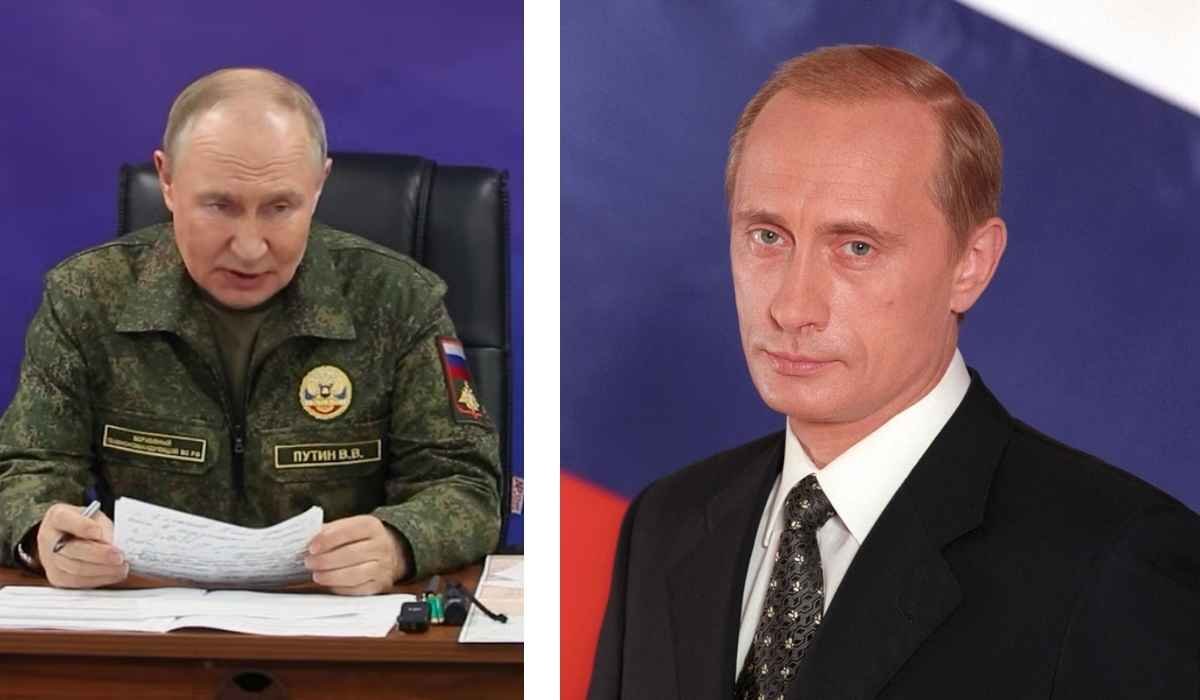
Understanding modern global politics requires a careful examination of Vladimir Putin, whose lengthy political career has consistently shaped international relations, regional security frameworks, and domestic governance structures across the Eurasian continent for decades. Throughout his tenure in high office, he has overseen immense structural transformations, navigated severe economic shifts, and positioned himself as a central figure in contemporary geopolitical disputes. Observers around the world continuously analyze his strategic maneuvers, public statements, and legislative reforms to anticipate the direction of international diplomacy. Ultimately, studying his rise and consolidation of power offers crucial insights into the complexities of modern statecraft and the evolving balance of power among major global superpowers.
Quick Bio
| Attribute | Detail |
|---|---|
| Full Name | Vladimir Vladimirovich Putin |
| Date of Birth | October 7, 1952 |
| Place of Birth | Leningrad, Soviet Union |
| Alma Mater | Leningrad State University |
| Profession | Politician, Former Intelligence Officer |
Early Childhood Years and Family Background
Growing up in post-war Leningrad presented severe economic hardships, shaping the worldview of Vladimir Putin through narrow living conditions, shared communal apartments, and the lingering psychological scars left by the historic wartime siege on his working-class family. His father worked as a factory worker and later served in the Soviet Navy, while his mother endured the brutal blockade of the city, losing a young child during the devastation. These formative years instilled a gritty resilience, a quiet disposition, and a fierce competitive drive that later defined his professional trajectory. The austere surroundings of his youth encouraged a deep interest in martial arts and athletics, providing an early outlet for discipline and physical endurance that would remain evident throughout his adult life and political career.
Educational Pursuits and Legal Studies
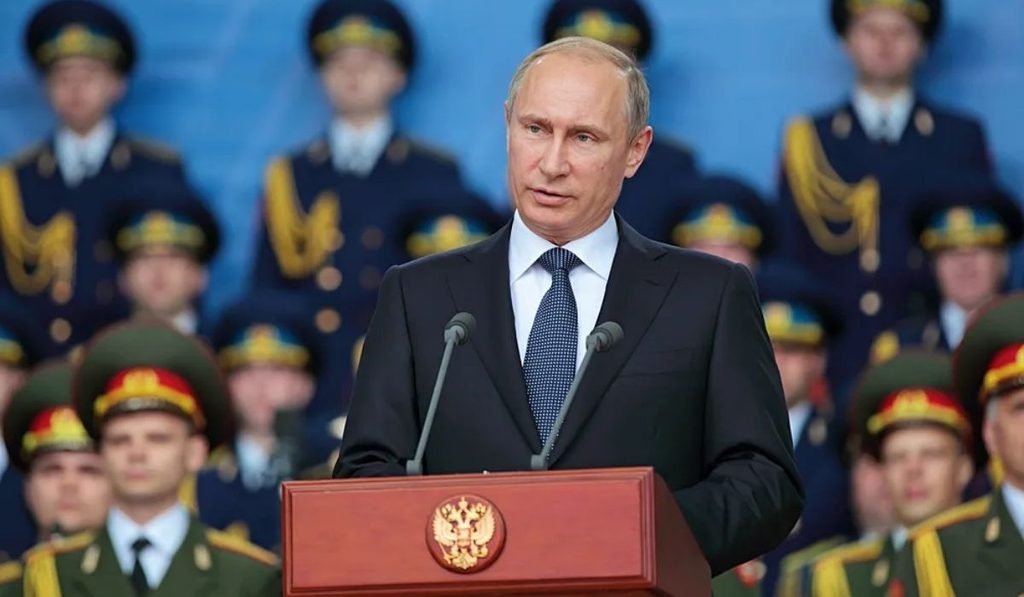
Academic focus eventually led him toward legal education at Leningrad State University, where Vladimir Putin carefully navigated complex legal theories, criminal statutes, and international jurisprudence before successfully graduating and subsequently entering the competitive state security apparatus. Law school provided an intellectual framework that emphasized procedural order, statutory interpretation, and the subtle nuances of institutional power. During his university years, he also joined the Communist Party of the Soviet Union, a necessary credential for anyone aspiring to advance within state institutions and security agencies. His legal dissertation and academic mentors further sharpened his analytical thinking, teaching him how to construct watertight administrative arguments and manage complex legal environments with calculated precision.
Intelligence Career in the KGB
Service inside the prominent Committee for State Security spanned many years, during which Vladimir Putin operated primarily as a foreign intelligence officer stationed in East Germany, gathering crucial operational insights before returning home during the Soviet collapse. Operating in Dresden during a period of immense geopolitical tension taught him valuable lessons regarding espionage, counter-intelligence, and the vulnerability of authoritarian regimes. When the Berlin Wall fell and local crowds threatened the KGB facility, his calm demeanor and resourcefulness helped secure classified documents and protect personnel. This critical juncture profoundly shaped his perspective on state stability, deepening his wariness of sudden popular revolutions, foreign interference, and institutional collapse that would later influence his domestic governance philosophy.
Transition Into Municipal Politics
Returning to Saint Petersburg marked a major career pivot, allowing Vladimir Putin to work closely with reform-minded municipal leaders, manage international city relations, and build essential bureaucratic networks that facilitated his rapid rise to prominence. As the head of the external relations committee for Mayor Anatoly Sobchak, he navigated the chaotic transition from a centrally planned economy to a fledgling market system, dealing with foreign investors and local business tycoons alike. This environment demanded sharp negotiation skills, administrative agility, and the ability to operate effectively amidst political turbulence and rampant corruption. The experience gained during these municipal years served as a vital stepping stone, proving his administrative competence and preparing him for higher-stakes political appointments on the federal stage.
Relocation to Moscow Administration
Moving toward national administration in Moscow opened new doors, positioning Vladimir Putin inside the presidential property management directorate where administrative competence caught the attention of key Kremlin insiders during a volatile political transition period. His swift advancement through various federal departments underscored a reputation for reliability, loyalty, and strict adherence to administrative hierarchy. Tasked with overseeing federal property and managing regional relations, he quickly demonstrated an uncanny ability to untangle bureaucratic gridlock and execute presidential directives without hesitation. This quiet efficiency made him an invaluable asset to Boris Yeltsin’s inner circle, setting the stage for his eventual ascension to leadership roles that would forever alter the nation’s political landscape.
Directing the Federal Security Service
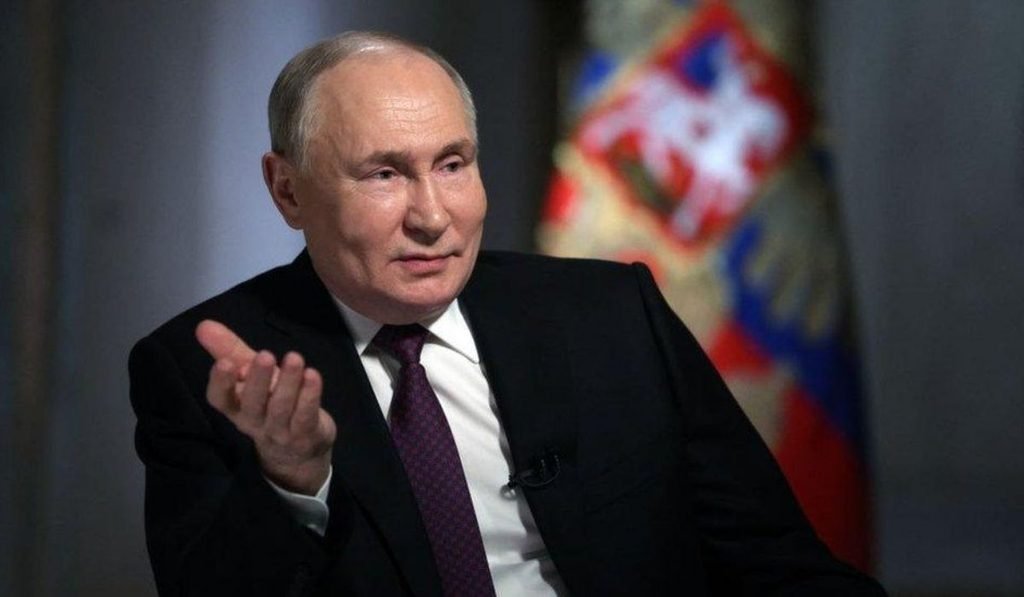
Ascending to direct the primary security agency allowed Vladimir Putin to restructure internal intelligence operations, consolidate federal oversight, and establish a reputation for decisive crisis management amid mounting domestic security threats and regional challenges. Taking charge of the Federal Security Service brought a disciplined, methodical approach to an organization struggling with morale and institutional drift following the Soviet dissolution. He successfully streamlined internal hierarchies, revived counter-terrorism units, and projected an aura of unyielding authority that resonated strongly with a public exhausted by years of political chaos and lawlessness. This high-profile role served as the ultimate launchpad for his executive career, transforming him from a behind-the-scenes bureaucrat into a recognized national leader capable of taking charge.
Appointment as Prime Minister
Stepping into the role of head of government under Boris Yeltsin projected Vladimir Putin directly into the national spotlight, where initial skepticism quickly transformed into public approval due to firm responses against escalating regional conflicts. His blunt rhetoric, uncompromising stance on security, and refusal to yield to insurgent threats contrasted sharply with the perceived weakness of previous administrations. By projecting strength and restoring order, Vladimir Putin quickly captured the imagination of a populace yearning for stability and national pride. This surge in popularity made him the natural successor to the presidency, bridging the gap between an outgoing administration and a new era of centralized state power.
Ascending to the Presidency
Taking over as acting president at the turn of the millennium thrust Vladimir Putin into ultimate authority, initiating an era defined by centralized state power, economic stabilization strategies, and the systematic rebuilding of national political institutions. Facing a fragmented country plagued by economic ruin, oligarchic interference, and regional separatism, he immediately set out to reassert federal authority over the disparate provinces. His inaugural policies focused on reining in powerful media barons, subduing rebellious territories, and establishing a predictable legal framework for economic actors. Through these calculated steps, Vladimir Putin successfully reversed the chaotic trajectory of the 1990s, restoring a sense of national pride and cementing his status as the indispensable leader of the federation.
Economic Stabilization and Growth
Benefiting from high international energy prices, the administration of Vladimir Putin oversaw a decade of rapid macroeconomic recovery, eliminating foreign debt, increasing central currency reserves, and improving average living standards across the federation. The massive windfall from petroleum and natural gas exports filled state coffers, allowing the government to pay off historical debts, fund public sector salaries, and invest heavily in infrastructure projects. This period of prosperity fostered a tacit social contract between the state and the citizenry: economic well-being and stability in exchange for political acquiescence. Consequently, Vladimir Putin enjoyed overwhelming public support, transforming national wealth into enduring political capital that shielded his administration from external criticisms.
Managing Regional Security Conflicts
Military campaigns aimed at restoring federal control over breakaway regions presented severe tests, yet Vladimir Putin maintained a rigid security posture that reinforced central authority and neutralized immediate separatist threats within the national borders. The pacification of the North Caucasus required immense military resources, tactical endurance, and an unyielding commitment to suppressing insurgent movements at all costs. While international observers frequently criticized the heavy-handed tactics and humanitarian costs involved, domestic audiences largely viewed the campaign as a necessary defense of national territorial integrity. By prevailing in these grueling conflicts, Vladimir Putin solidified his reputation as a resolute commander-in-chief who would not allow the federation to fracture.
Consolidating Vertical Power Structures
Reorganizing regional gubernatorial appointments and legislative frameworks allowed Vladimir Putin to construct a tightly controlled political hierarchy, minimizing effective regional opposition and streamlining federal decision-making processes across all administrative districts. The introduction of federal districts and the replacement of direct gubernatorial elections with appointment systems effectively eliminated independent power bases outside of Moscow. This administrative architecture ensured that all major political levers answered directly to the executive branch, eliminating chaotic policy divergences between regions. Through these sweeping structural overhauls, Vladimir Putin engineered a formidable political machine capable of enforcing uniform state directives across eleven time zones without internal resistance.
The Presidential Interlude as Prime Minister
Complying with constitutional term limits required stepping down to serve as prime minister while Dmitry Medvedev held the presidency, ensuring Vladimir Putin retained absolute strategic control over national policy execution and government operations. During this four-year period, he maintained his formidable political weight, managing critical economic portfolios, directing national crisis responses, and frequently overshadowing the sitting president in public prominence. This tandem governance model demonstrated that institutional titles mattered less than practical authority, as the ultimate decision-making power remained firmly anchored with Vladimir Putin. The seamless transition back to the presidency in 2012 proved the durability of the political system he had meticulously constructed.
Constitutional Amendments and Term Extensions
Securing legislative backing for extended presidential terms ensured that Vladimir Putin could theoretically remain at the helm of state affairs for decades, securing long-term continuity within the highest echelons of Russian political leadership. Constitutional reforms lengthened the presidential term, and later amendments effectively reset previous term limits, opening a pathway for prolonged governance well into the future. Supporters argued these changes were necessary to maintain strategic predictability and prevent disruptive power struggles during turbulent global eras. Critics, however, viewed the adjustments as a calculated maneuver to institutionalize permanent rule, further cementing the centralized authority that Vladimir Putin had spent decades carefully cultivating.
Foreign Policy and Global Assertion
Projecting renewed international influence became a primary objective, leading Vladimir Putin to challenge Western security architectures, expand diplomatic partnerships across Asia, and assert traditional national interests on the global geopolitical stage. Disillusioned by NATO expansion eastward and Western military interventions in the Middle East and Eastern Europe, he signaled a decisive break from the cooperative diplomacy of the immediate post-Soviet years. Speeches at international security conferences openly criticized unipolar global dominance, advocating instead for a multipolar world order where national sovereignty takes precedence over international liberal norms. This assertive foreign policy posture allowed Vladimir Putin to re-establish the nation as an unavoidable player in every major international crisis.
The 2014 Crimea Crisis and Sanctions
Annexing the Crimean peninsula fundamentally altered international relations, prompting Western nations to impose heavy economic penalties while Vladimir Putin defended the geopolitical maneuver as a vital defense of historical and cultural ties. The swift, bloodless takeover of the territory sparked a wave of patriotic fervor domestically, dramatically boosting approval ratings despite the onset of retaliatory Western trade restrictions. Rather than buckling under economic pressure, the state pivoted toward import substitution, agricultural self-sufficiency, and financial diversification. This crisis marked a profound turning point, demonstrating that Vladimir Putin was willing to absorb severe international isolation to secure what he defined as core national security imperatives.
Cultural Conservatism and Traditional Values
Promoting patriotic education and traditional social norms formed the cornerstone of domestic ideology, with Vladimir Putin positioning the state as a steadfast defender of orthodox morality against perceived Western cultural degradation and liberalism. Legislative actions restricting foreign-funded NGOs, limiting certain civil liberties, and championing family values resonated deeply with conservative demographics and the influential religious establishment. This ideological stance served to unify the domestic populace around a distinct national identity separate from Western cultural influences. By framing the government as the guardian of historical traditions, Vladimir Putin successfully forged a powerful cultural narrative that reinforced regime stability against outside ideological pressures.
Escalation of the Ukraine Conflict
Launching full-scale military interventions in neighboring Ukraine triggered massive geopolitical realignment, unprecedented international isolation, and deep economic restructuring as Vladimir Putin committed the nation to a prolonged confrontation with Western powers. The sweeping military campaign completely severed long-standing trade ties with Europe, prompting a historic reorientation of energy exports toward Asian markets and domestic industries. Despite facing unprecedented economic sanctions, technological embargoes, and united Western opposition, Vladimir Putin maintained strategic resolve, framing the protracted struggle as an existential defense of historical borders against hostile encroachment. This high-stakes confrontation redefined global supply chains and initiated a new, deeply polarized era of international relations.
Public Image and Cult of Personality
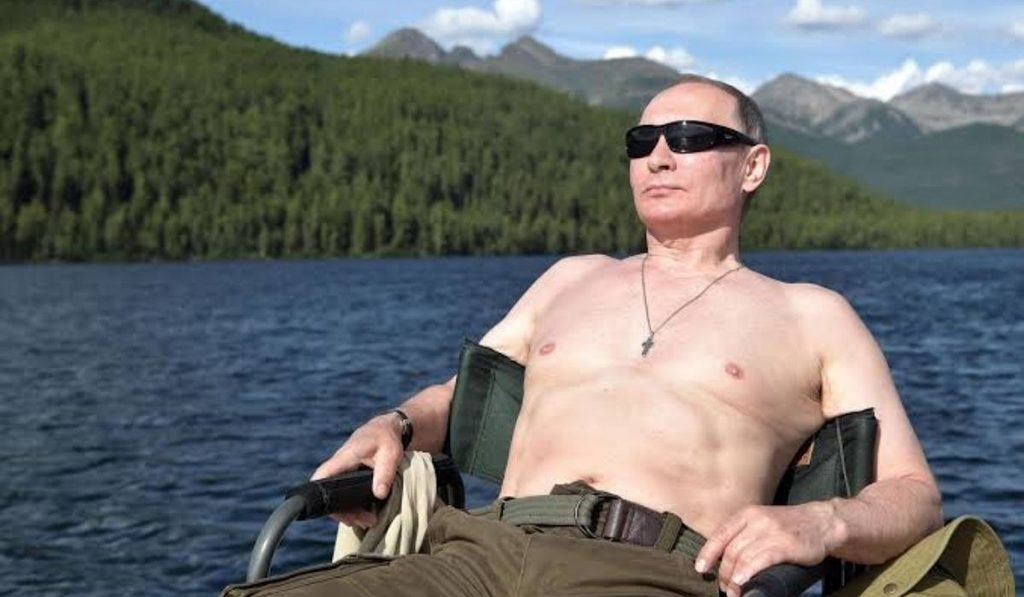
Cultivating a rugged, action-oriented public persona through televised athletic displays, martial arts demonstrations, and decisive rhetoric has helped Vladimir Putin maintain a strong domestic base of support throughout his prolonged tenure. Media broadcasts frequently showcase his physical fitness, fearlessness in the wilderness, and direct engagement with everyday citizens, creating a charismatic archetype of strength and competence. This carefully managed image contrasts sharply with the stereotyped bureaucracy of past leaders, projecting an aura of perpetual vitality and unyielding control. Consequently, Vladimir Putin has successfully anchored his personal brand to the very identity of the modern state, making his leadership style synonymous with national strength.
Domestic Opposition and Suppression
Silencing independent media outlets, disqualifying political rivals, and cracking down on civil dissent have characterized the governance strategy employed by Vladimir Putin to eliminate organized domestic political opposition and maintain absolute control. Over the years, investigative journalists, opposition politicians, and activist networks faced intensifying legal hurdles, imprisonment, or exile, effectively neutralizing coordinated electoral challenges. State-controlled television networks dominated the information space, drowning out dissenting perspectives and promoting an official narrative endorsed by the Kremlin. Through these systematic measures, Vladimir Putin ensured that political competition remained strictly managed, preventing any viable domestic coalition from threatening the established vertical of power.
Long-Term Historical Legacy
Securing a place as the longest-serving Russian leader since Joseph Stalin ensures that Vladimir Putin will remain a heavily debated, thoroughly analyzed figure whose monumental policy decisions defined the trajectory of modern Eurasian history. His efforts to reverse post-Soviet decline, project global power, and centralize internal governance have left an indelible mark on the nation’s political identity and institutional framework. Future historians will grapple with the complex duality of his era: a period marked by extraordinary economic recovery and national reassertion, juxtaposed against severe geopolitical isolation and the suppression of democratic pluralism. Ultimately, the sweeping systemic changes implemented by Vladimir Putin will reverberate across international diplomacy and domestic society for generations to come.
- When was Vladimir Putin born?
- Vladimir Putin was born on October 7, 1952, in Leningrad, Soviet Union.
- What was his profession before entering politics?
- He served for sixteen years as a KGB foreign intelligence officer, retiring with the rank of lieutenant colonel.
- When did he first become President of Russia?
- He was first elected president in March 2000 after serving previously as acting president and prime minister.
- How many terms has he served in office?
- He has served multiple presidential terms spanning across distinct eras, alongside a stint as prime minister from 2008 to 2012.
- Where can one read more background information about him?
- Comprehensive historical records and biographical overviews are cataloged on Vladimir Putin.