The early life of Ray Charles began in Albany, Georgia, where he was born into modest circumstances. Growing up in the American South during the challenging decades of the Great Depression, he faced immense hardships that shaped his resilient character. Alongside these early financial struggles, tragedy struck when he witnessed the accidental drowning of his younger brother. Soon after this devastating event, his vision began to deteriorate rapidly due to an undiagnosed condition widely believed to be glaucoma. By the tender age of seven, Ray Charles was completely blind, forcing him to adapt to a world of total darkness while maintaining his childhood curiosity and love for sound.
Quick Bio Table
| Attribute | Detail |
|---|---|
| Birth Name | Ray Charles Robinson |
| Date of Birth | September 23, 1930 |
| Place of Birth | Albany, Georgia |
| Date of Death | June 10, 2004 |
| Genres | Soul, R&B, Jazz, Blues, Country, Gospel |
| Instruments | Piano, Vocals, Saxophone, Clarinet |
Education at the Florida School
The educational journey of Ray Charles changed entirely when his mother enrolled him in the Florida School for the Deaf and the Blind. Located in St. Augustine, this specialized institution provided him with formal academic training and structured musical education. During his years at the academy, Ray Charles learned to read, write, and arrange musical scores proficiently using Braille. He mastered several instruments, including the classical piano, clarinet, and alto saxophone, demonstrating a prodigious natural talent. Tragically, both of his parents passed away during his adolescence, leaving Ray Charles orphaned and entirely responsible for his own survival.
Transition to Independent Music
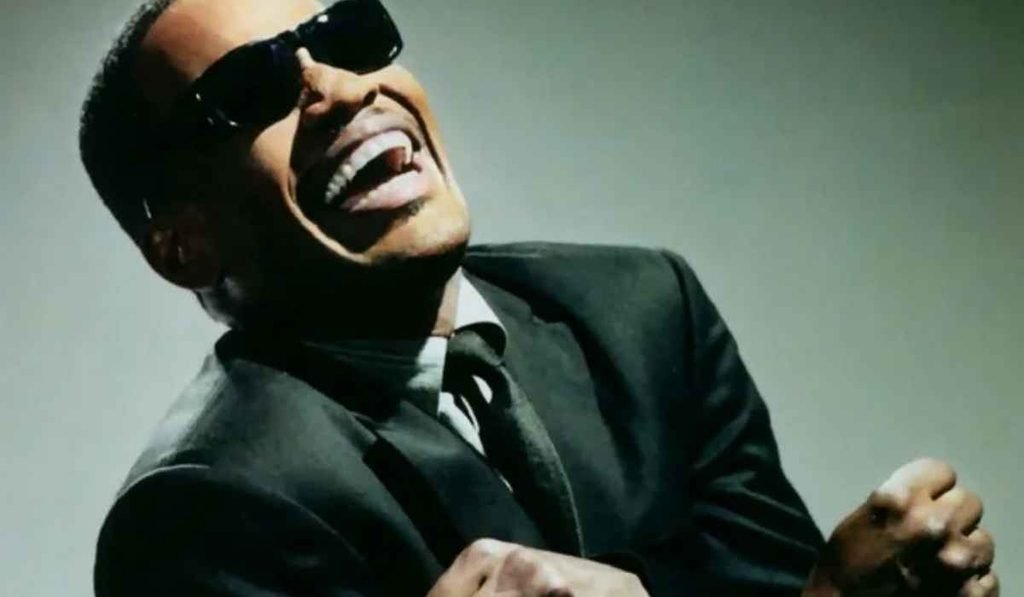
Rather than returning to school after finishing a term, young Ray Charles chose to leave formal education behind at age fifteen to pursue a professional career in music across Florida. Playing piano in various regional dance halls and local theaters, Ray Charles earned meager wages while honing his dynamic stage performance style. Seeking wider horizons and greater artistic opportunities, Ray Charles packed his belongings and moved across the country to Seattle, Washington, at the age of sixteen. In the vibrant Pacific Northwest music scene, Ray Charles met a young Quincy Jones, sparking a lifelong friendship and creative partnership that endured for decades.
Early Recordings and Career Breakthrough
He formed the McSon Trio and began recording smooth, early singles heavily inspired by contemporary icons like Nat King Cole and Charles Brown. These initial recordings established Ray Charles as a rising talent within the competitive rhythm and blues market, catching the attention of major industry scouts. The transition from a regional performer to a national recording artist happened swiftly as Ray Charles signed a lucrative contract with Atlantic Records in the early nineteen fifties. Working closely with Ahmet Ertegun and Jerry Wexler at Atlantic, Ray Charles found the creative freedom required to truly experiment with his distinctive vocal delivery.
Pioneering the Soul Genre
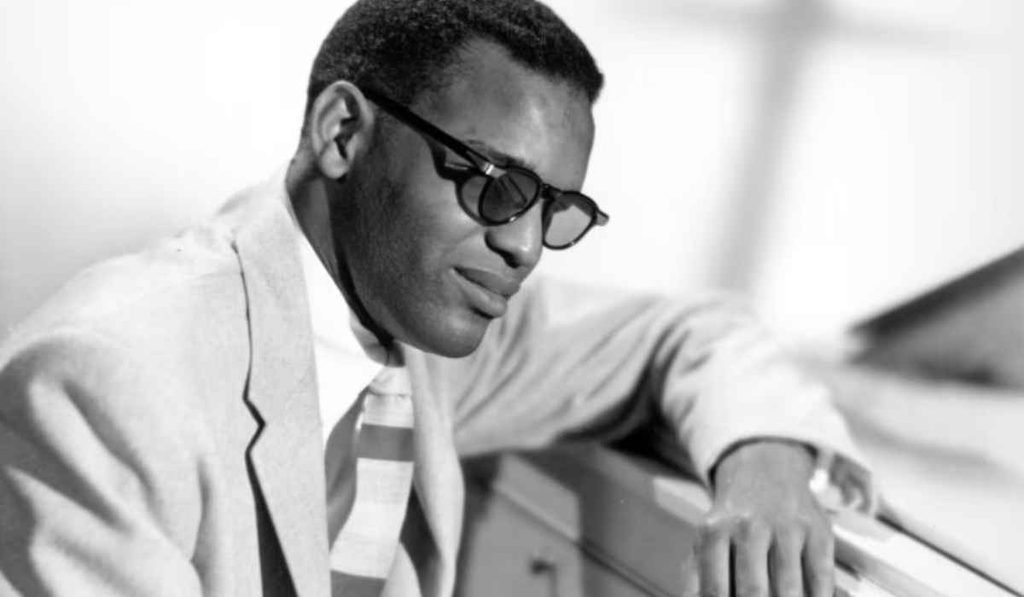
He began infusing secular rhythm and blues arrangements with the intense emotional fervor and call-and-response patterns typical of traditional Black gospel music. This daring stylistic fusion spearheaded by Ray Charles effectively birthed an entirely new American musical genre known permanently as soul music. The commercial breakthrough of Ray Charles arrived decisively with the release of the massive hit single “I Got a Woman” in nineteen fifty-four. Topping the national rhythm and blues charts, this revolutionary song cemented the artistic identity of Ray Charles by merging sacred church passion with secular themes.
Chart Dominance in the Fifties
He continued his chart dominance throughout the decade with infectious tracks like “Mess Around” and “It Should’ve Been Me,” showcasing his trademark raspy voice. Critics and fans alike marveled at how Ray Charles could seamlessly transition from barrelhouse blues shuffles to sophisticated jazz instrumentation without losing any raw energy. The defining masterpiece of his Atlantic era arrived when Ray Charles recorded the exhilarating call-and-response anthem “What’d I Say” in nineteen fifty-nine. This groundbreaking composition combined electric piano riffs, Latin rhythms, and gospel vocal styling, propelling Ray Charles into mainstream pop crossover success.
Signing with ABC Records
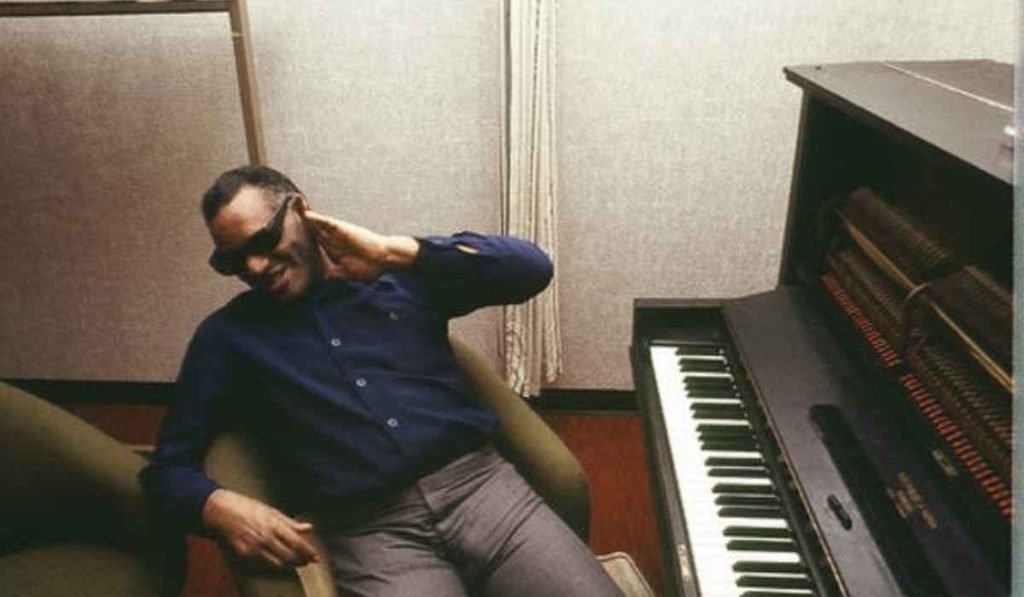
Seeking even broader creative control and distribution terms, Ray Charles made a landmark career move by signing with ABC Records in nineteen sixty. This new label partnership granted Ray Charles unprecedented artistic independence, allowing him to explore diverse musical territories that most major corporate record companies usually restricted. Demonstrating his unmatched versatility, Ray Charles released a stunning soulful rendition of “Georgia on My Mind” in nineteen sixty, capturing global acclaim. This iconic recording became an immediate standard, and decades later, the state of Georgia officially designated the timeless performance by Ray Charles as its official state song.
Global Pop and Dance Success
Following up on this pop triumph, Ray Charles unleashed the upbeat, infectious dance track “Hit the Road Jack” in nineteen sixty-one to universal commercial applause. His ability to command a rhythm section while delivering deeply emotive lead vocals made Ray Charles a towering figure across the international entertainment landscape. Breaking down rigid racial and stylistic barriers in American radio, Ray Charles shocked the music industry by releasing a collection of country and western covers. His landmark album Modern Sounds in Country and Western Music, launched in nineteen sixty-two, proved that Ray Charles could conquer white-dominated music charts effortlessly.
Conquering Country and Western Music
Featuring smash singles like “I Can’t Stop Loving You,” this bold project by Ray Charles sold millions of copies and redefined crossover boundaries. Despite his incredible professional triumphs, Ray Charles battled a severe personal demons off stage, struggling with a long-term heroin addiction that began during his youth. This dependency led to a major legal arrest in nineteen sixty-five, forcing Ray Charles to enter a court-mandated rehabilitation clinic in Los Angeles. Successfully overcoming his substance abuse issues after months of intensive treatment, Ray Charles returned to the recording studio and concert stage with renewed vigor and focus.
Establishing Independent Record Labels
He established his own independent record labels, including Tangerine Records and Crossover Records, ensuring that Ray Charles maintained absolute ownership over his vast master recordings. Throughout the nineteen seventies and eighties, Ray Charles expanded his cultural footprint by appearing in major feature films like The Blues Brothers and starring in television commercials. His unforgettable rendition of “America the Beautiful” became a patriotic staple, showcasing the deep, resonant voice of Ray Charles during major national broadcasts. Honors poured in from every direction, including multiple Grammy Awards, induction into the Rock and Roll Hall of Fame, and the prestigious National Medal of Arts.
Cultural Impact and Industry Honors
Younger generations of artists viewed Ray Charles as an untouchable musical pioneer who bridged the gap between sacred hymns and secular party anthems. In his later years, Ray Charles remained an active touring artist, performing live concerts around the world until his declining health slowed his busy travel schedule. Even as physical ailments caught up with him, the dedication of Ray Charles to his craft never wavered, inspiring millions of devoted fans across multiple continents. Hollywood honored his extraordinary life story with the biographical feature film Ray, starring Jamie Foxx, who won an Academy Award for portraying Ray Charles.
Later Years and Final Performances
Although Ray Charles passed away from liver disease in June two thousand and four, his monumental cultural footprint remains permanently embedded in modern music history. The enduring legacy of Ray Charles continues to influence contemporary soul, R&B, and pop artists who look to his innovative genre-blending blueprint as the gold standard of musical genius. His unforgettable performances across television and film cemented his status as a permanent fixture of global entertainment culture. Music historians frequently cite the unique vocal phrasing of Ray Charles as a masterclass in emotional storytelling and artistic authenticity.
Cinematic Tributes and Biopics
The release of major cinematic projects dedicated to his life brought renewed mainstream attention to the massive catalog of Ray Charles. Fans around the world rediscovered his timeless recordings, pushing classic tracks back onto digital streaming charts decades after their initial release. Educational institutions and music academies regularly study the piano techniques and arrangement methods utilized by Ray Charles during his decades-long recording career. His ability to fuse disparate genres together demonstrated to future generations that artistic boundaries are meant to be aggressively challenged and redefined.
Charitable Works and Philanthropy
Beyond his massive musical achievements, Ray Charles quietly supported numerous educational initiatives and organizations dedicated to assisting visually impaired individuals worldwide. He established the Robinson Foundation for Hearing Disorders to fund critical medical research and help people suffering from hearing loss regain their quality of life. These philanthropic efforts showcased the profound empathy and generosity that Ray Charles maintained throughout his remarkable public life. Recipients of his charitable grants frequently praised Ray Charles for his hands-on approach and genuine desire to uplift disadvantaged communities through practical support.
Evolution of Live Performances
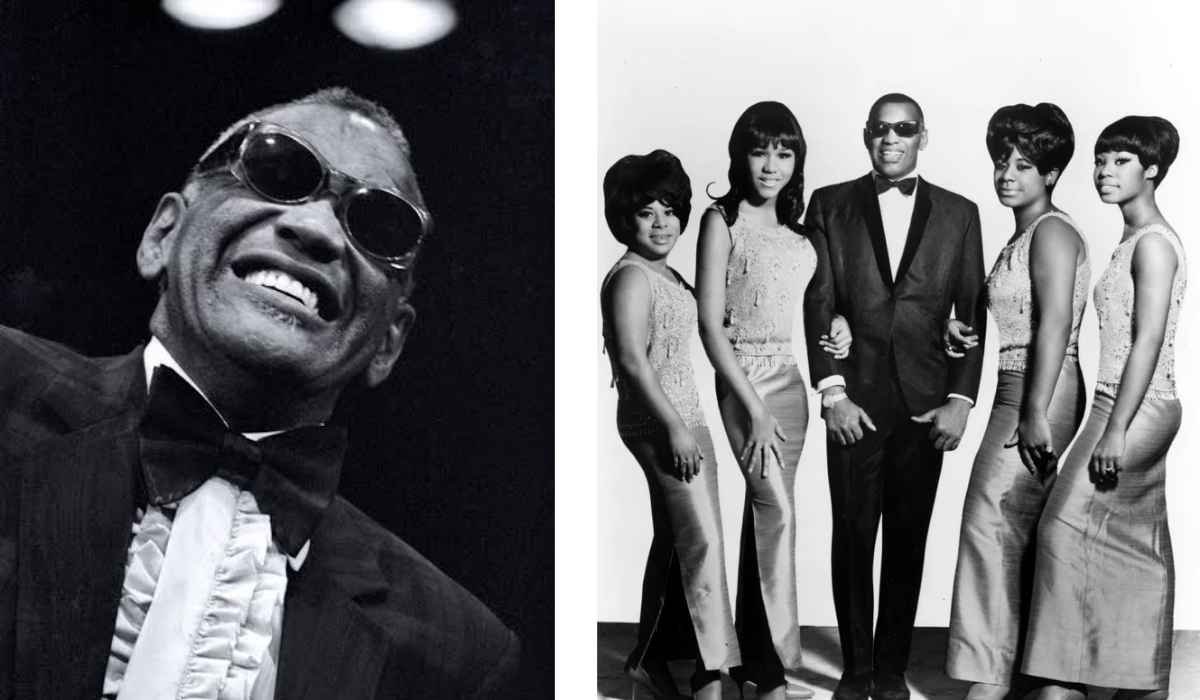
Concertgoers routinely described attending a live performance by Ray Charles as a deeply spiritual and unforgettable emotional experience. Backed by his talented big band and the soulful Raelettes vocal group, Ray Charles commanded every stage with effortless authority and unmatched charisma. His piano playing combined barrelhouse grit with sophisticated jazz harmonies, creating a sonic texture entirely unique to Ray Charles. Every concert tour solidified his reputation as one of the most hardworking and electrifying live entertainers in the history of popular music.
Preservation of Musical Heritage
Archivists and sound engineers have spent countless hours restoring the extensive master tape catalog originally recorded by Ray Charles during his prolific decades in the studio. These meticulously remastered collections ensure that future generations can experience the dynamic range and emotional depth of Ray Charles in crystal-clear audio quality. Museums dedicated to American music history proudly feature permanent exhibits celebrating the wardrobe, instruments, and awards won by Ray Charles. Educational programs use these artifacts to teach students about the critical role Ray Charles played in shaping modern musical history.
Lasting Influence on Modern Artists
Contemporary superstars across hip-hop, pop, and R&B frequently sample the timeless grooves and vocal hooks originally popularized by Ray Charles in their own chart-topping songs. Producers admire how Ray Charles manipulated tempo and dynamics to create maximum emotional impact on every single track he recorded. This widespread cross-generational sampling proves that the creative vision of Ray Charles remains just as relevant today as it was during the mid-twentieth century. Industry veterans continually cite Ray Charles as the ultimate blueprint for maintaining total artistic control in a notoriously difficult commercial market.
The Global Appeal of Soul Music
The international touring schedule of Ray Charles introduced authentic American soul music to millions of fans living across Europe, Asia, and South America. Foreign audiences embraced the passionate delivery and universal themes conveyed in every song performed by Ray Charles with incredible enthusiasm. Governments and international cultural organizations honored Ray Charles with diplomatic awards and medals recognizing his role as a global musical ambassador. These international accolades reflected how the art of Ray Charles transcended language barriers to unite people through shared emotional experiences.
Reflection on a Storied Career
Looking back at his extraordinary journey from a blind boy in Georgia to a global icon, the resilience of Ray Charles remains a breathtaking human achievement. Overcoming immense personal and physical obstacles, Ray Charles built an empire of sound that forever transformed the cultural landscape of the world. His refusal to let adversity dictate his artistic limits serves as a powerful source of inspiration for aspiring musicians everywhere. The name Ray Charles will forever stand as a shining symbol of unwavering dedication, boundary-pushing creativity, and sheer musical brilliance.
Final Thoughts and Cultural Resonance
As modern music continues to evolve, the foundational contributions introduced by Ray Charles remain anchored at the very heart of the American songbook. Scholars, critics, and casual listeners alike continue to analyze the brilliant chord progressions and vocal arrangements pioneered by Ray Charles across his discography. The timeless quality of his work ensures that new fans discover his genius with every passing generation. Ultimately, the legendary status of Ray Charles is cemented by a body of work that truly defined the soul of a nation.
FAQs
- When was Ray Charles born?
- Ray Charles was born on September 23, 1930.
- What caused the blindness of Ray Charles?
- He completely lost his eyesight by age seven due to an undiagnosed condition widely believed to be glaucoma.
- Which record label did Ray Charles sign with in 1952?
- Ray Charles signed with Atlantic Records, where he helped pioneer the soul music genre.
- How many Grammy Awards did Ray Charles win?
- Ray Charles won 17 Grammy Awards throughout his legendary career.
- Where can I read more about this musical icon?