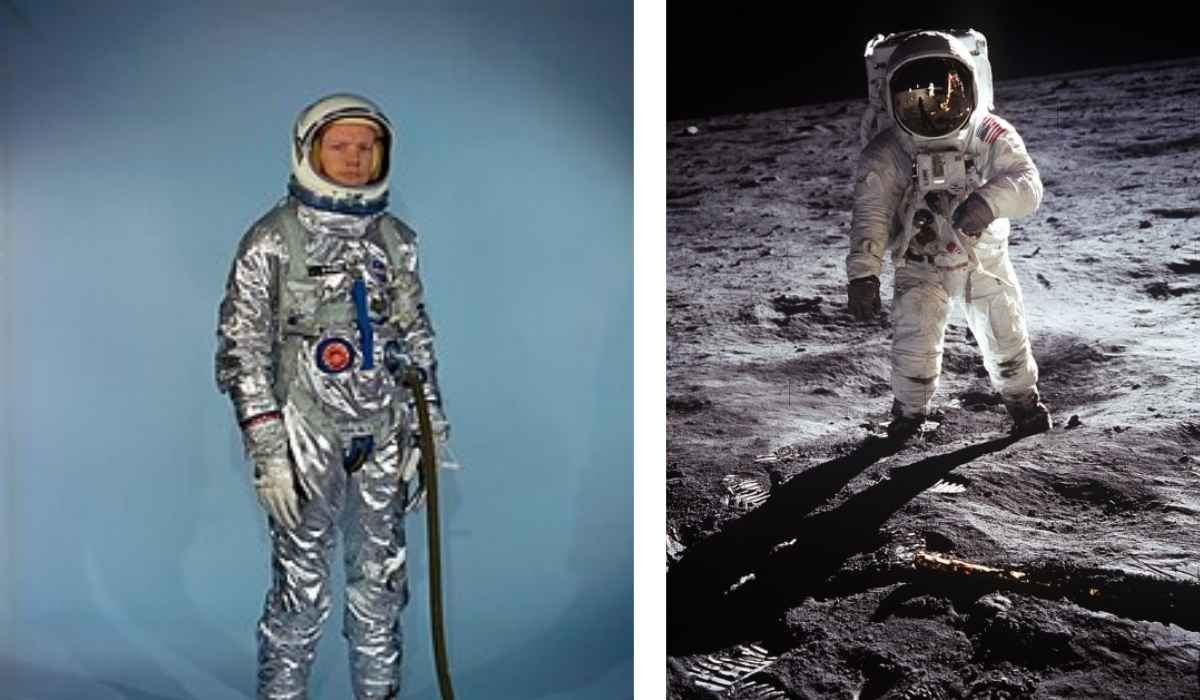
The historical significance of space exploration often centers around the remarkable accomplishments of Neil Armstrong, whose pioneering spirit reshaped human destiny forever. Born in a small Midwestern town, this ordinary boy grew up with an extraordinary passion for aviation that eventually propelled him beyond the boundaries of Earth. His quiet demeanor masked a fierce intellect and unmatched piloting capability that caught the attention of early aeronautical researchers. As an individual who valued precision and coolness under pressure, he navigated the perilous skies of military combat and experimental test flight programs with legendary composure.
Every challenge he encountered served as a stepping stone toward a destiny written among the stars, culminating in the iconic lunar landing of nineteen sixty-nine. Understanding his journey requires exploring the various milestones that defined his professional career, personal philosophy, and enduring global impact. Generations continue to look back at his achievements with profound admiration, recognizing how dedication and hard work can turn impossible dreams into tangible reality for all of humanity.
Quick Bio
| Attribute | Detail |
| Full Name | Neil Alden Armstrong |
| Birth Date | August 5, 1930 |
| Birth Place | Wapakoneta, Ohio, U.S. |
| Profession | Astronaut, Aeronautical Engineer, Test Pilot |
| Key Mission | Apollo 11 (Commander) |
| Famous Quote | “That’s one small step for [a] man, one giant leap for mankind.” |
| Passing Date | August 25, 2012 |
Early Childhood Beginnings in Ohio
Growing up in the heartland of America during the great depression deeply shaped the character and resilient work ethic of Neil Armstrong. Born in August nineteen thirty, he spent his early years moving across various towns because of his father’s state auditing job. Despite frequent relocations, his fascination with airplanes blossomed rapidly after experiencing his very first flight at a very tender age. He actively participated in local community groups, eventually earning the prestigious rank of Eagle Scout through dedication and leadership.
Spending countless hours building model airplanes and reading aviation magazines fueled his ambition to conquer the limitless skies above. These formative experiences laid a solid foundation for a future filled with extraordinary technological triumphs and historic global exploration.
Passion for Aviation and Early Flight Training

Aviation captured his absolute imagination long before he even learned how to drive a standard automobile on public roads. Working diligently at local airports allowed him to pay for flying lessons, ultimately earning his official student pilot certificate on his birthday. By the time he reached sixteen years of age, he had successfully soloed an aircraft, proving his natural aptitude for handling machines. This early independence in the cockpit built supreme self-reliance that would later save his life during critical aerospace emergencies.
Instructors frequently noted his calm disposition, analytical mindset, and exceptional spatial awareness when navigating complex flight patterns under shifting weather conditions. Such remarkable talent made it clear that Neil Armstrong was destined for a profound career in professional aviation.
Higher Education at Purdue University
Pursuing higher education in engineering represented a crucial turning point for his professional development and future contributions to aerospace science. He enrolled at Purdue University under a special naval scholarship plan that required a structured commitment to military service. Campus life offered rigorous academic challenges, but his sharp intellect allowed him to excel in advanced mathematical and physical principles effortlessly. His studies were temporarily paused when global conflicts called young men into active military duty overseas. Returning to campus after his service enabled him to complete his bachelor’s degree with renewed focus and determination. The academic environment at Purdue provided Neil Armstrong with the theoretical tools necessary to understand complex aerospace dynamics and spacecraft design.
Military Service During the Korean War

Military duty tested his courage and operational skills when he served as a naval aviator during intense international conflicts. Flying numerous combat missions from aircraft carriers required split-second decision-making while facing hostile anti-aircraft fire and treacherous weather systems. On one particular mission, enemy fire severely damaged his aircraft, forcing him to execute a daring escape behind friendly lines. Surviving these dangerous encounters earned him several medals and commendations for bravery, valor, and exceptional piloting skill. The discipline acquired during his time in the military instilled a lifelong appreciation for teamwork, protocol, and absolute operational safety. These invaluable lessons guided Neil Armstrong safely through countless high-risk situations throughout his tenure as an elite test pilot.
Transition to Civilian Test Pilot Research
Transitioning from military aviation to civilian research opened up new horizons for exploring the absolute limits of atmospheric flight technology. Working for the national advisory committee for aeronautics placed him at the forefront of high-speed aircraft development in California. He evaluated numerous experimental rocket planes, pushing engineering boundaries by flying faster and higher than almost anyone else alive. Piloting the legendary X-15 rocket aircraft demanded extraordinary physical endurance and profound technical knowledge to handle extreme aerodynamic heating and control. His ability to remain calm during unexpected mechanical failures made him an invaluable asset to engineering teams trying to solve complex aerodynamic puzzles. Through rigorous testing, Neil Armstrong helped bridge the gap between traditional atmospheric aviation and futuristic space exploration.
Selection Into the NASA Astronaut Corps
Joining the space program in nineteen sixty-two marked the beginning of his historic journey toward humanity’s greatest planetary adventure. Out of hundreds of highly qualified applicants, he was chosen as part of the second group of astronauts recruited by the agency. Moving his family to Texas meant embracing an intense schedule filled with simulators, academic lectures, and physical conditioning regimens. Colleagues respected his quiet professionalism, sharp intellect, and absolute refusal to participate in superficial workplace politics or posturing. Management quickly recognized that his unique combination of engineering expertise and flying talent made him a natural leader for complex missions. Neil Armstrong approached every training exercise with meticulous attention to detail, ensuring total readiness for orbital flight challenges.
Command Pilot Experience on Gemini Eight
Spaceflight reality arrived when he commanded the Gemini eight mission alongside fellow astronaut David Scott in the mid-nineteen sixties. This complex mission successfully executed the world’s first orbital docking maneuver between two separate spacecraft in human history. Shortly after docking, a malfunctioning thruster caused the linked spacecraft to enter a violent, uncontrolled spin that threatened disaster. Displaying icy composure and lightning-fast reflexes, he undocked the vehicle and used re-entry thrusters to stabilize the capsule. This emergency action forced an early splashdown in the Pacific Ocean, but his quick thinking saved the lives of the crew. Crisis management during Gemini eight proved that Neil Armstrong possessed the steel nerves required for lunar exploration.
Rigorous Preparation for the Apollo Mission
Training for the lunar landing mission required endless hours inside highly sophisticated simulators that replicated every conceivable scenario. He practiced flying the lunar landing training vehicle, surviving a harrowing crash escape just seconds before a catastrophic accident occurred. Every crew member worked tirelessly to ensure that the massive Saturn V rocket and its intricate systems would function flawlessly in space. Technical briefings, geological field trips, and equipment evaluations consumed his daily routine for months leading up to the scheduled launch. Despite immense public pressure and political expectations, he maintained a steady, focused approach centered entirely on mission success and crew safety. The dedication of Neil Armstrong during these trials ensured that America’s space program remained on track for history.
Liftoff of the Historic Apollo Eleven
July sixteen, nineteen sixty-nine, witnessed the thunderous launch of the massive Saturn V rocket carrying three brave explorers toward the Moon. Millions of spectators watched worldwide as the roaring engines propelled the spacecraft out of Earth’s gravitational pull and into deep space. Inside the command module, duties were executed with precise synchronization and professional harmony among the tightly knit crew members. Navigating through radiation belts and managing trajectory adjustments demanded continuous vigilance during the multi-day voyage toward lunar orbit. He monitored every instrument display carefully, knowing that minor errors could jeopardize the entire national objective. The journey of Neil Armstrong represented the culmination of decades of scientific research and engineering innovation.
Landing on the Dusty Lunar Surface
Descending toward the lunar terrain presented unexpected computer alarms and hazardous boulder fields that threatened to derail the landing attempt. Taking manual control of the lunar module, he skillfully guided the spacecraft past danger to find a smooth, safe patch of ground. When the engine finally shut down, his calm voice transmitted the famous message announcing that the Eagle had successfully landed. Relief swept through mission control in Houston as operators realized the magnitude of what had just been accomplished. Heart rates normalized as the crew prepared for the monumental task of stepping outside onto an alien world for the very first time. The touchdown masterminded by Neil Armstrong permanently changed humanity’s relationship with the cosmos.
Taking One Giant Leap for Mankind
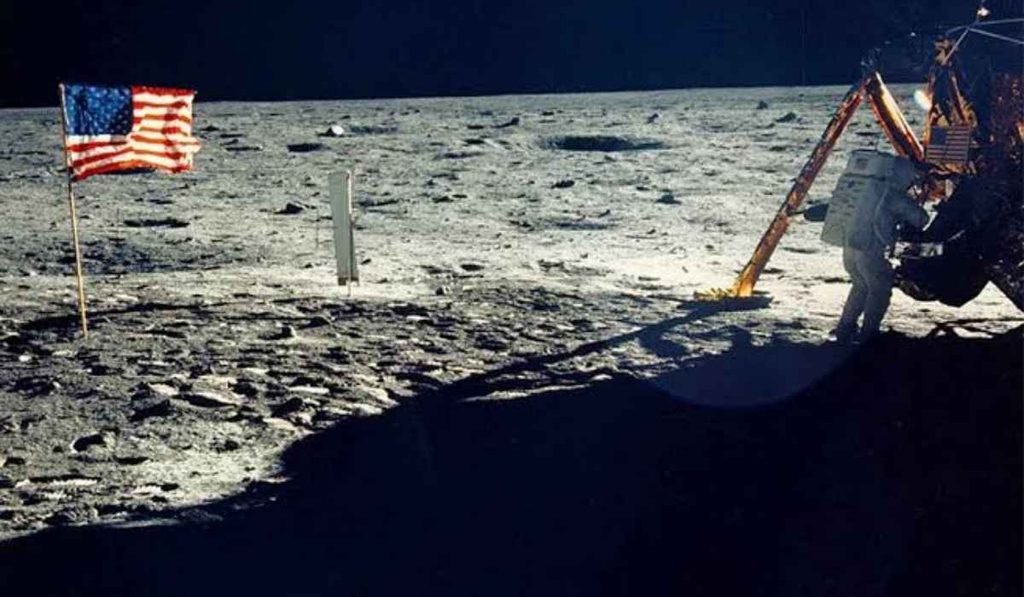
Descending the ladder of the lunar module, he placed his boot onto the powdery soil and spoke immortal words heard around the globe. That single phrase captured the imagination of billions of people, symbolizing a unified triumph of human curiosity and technological prowess. Walking across the desolate landscape, he collected soil samples, deployed scientific instruments, and photographed the surrounding geological features. Every movement was carefully calculated to preserve energy and maintain stability within the bulky pressurized spacesuit. Looking back at the distant blue planet made him reflect deeply on the fragility of human existence and the importance of global unity. The footprints left behind by Neil Armstrong stand as eternal monuments to exploration and courage.
Safe Return Journey to Planet Earth
Lifting off from the Moon required absolute perfection from the ascent engine, as there was no rescue backup available if it failed. Rendezvous with the command module piloted by Michael Collins proceeded smoothly, uniting the crew once again for the long trip home. Re-entering Earth’s atmosphere generated intense heat and deceleration forces before their capsule splashed down safely in the Pacific Ocean. Following strict quarantine protocols protected the planet from potential lunar pathogens while scientists processed initial geological samples. Celebrations erupted globally, honoring the immense bravery and technical brilliance of the entire expedition team. Neil Armstrong accepted public adulation with characteristic humility, always deflecting praise toward the thousands of workers who built the mission.
Post-NASA Career in Academia and Engineering
Stepping away from flight status allowed him to pursue a quiet career educating future generations of engineers at the university level. Accepting a professorship at the University of Cincinnati, he taught aerospace subjects and inspired young students with real-world insights. He deliberately avoided the trappings of celebrity culture, preferring academic solitude and meaningful professional contributions over public fame. Later, he served on corporate boards and led investigative panels, including the presidential commission that examined space shuttle safety protocols. His analytical mind remained active through various high-tech business ventures and advisory roles supporting aerospace development. Through teaching and consulting, Neil Armstrong continued shaping the trajectory of modern engineering long after leaving active flight.
Public Life and Protection of Privacy
Managing worldwide fame proved challenging for a man who valued personal privacy and professional integrity above all else. He strictly refused to commercialize his historic status or sign autographs that might end up being sold for profit by speculators. Media interview requests were filtered carefully, ensuring that his public appearances focused primarily on educational promotion rather than personal aggrandizement. Despite his reclusive nature, he remained gracious when interacting with admirers who shared genuine enthusiasm for space exploration history. Protecting the dignity of the Apollo program became a personal mission for him throughout his later decades. The steadfast boundaries maintained by Neil Armstrong preserved his legendary reputation as a dignified, authentic American hero.
Honors, Awards, and Global Recognition
Governments and scientific institutions worldwide showered him with prestigious medals, honorary degrees, and lifetime achievement awards in recognition of his service. Receiving the Presidential Medal of Freedom highlighted his unique contribution to American prestige and global scientific advancement. Statues, schools, and planetariums bearing his name were established across continents to inspire children to study science and mathematics. International delegations frequently invited him to represent peace and cooperation through technological achievement on the global stage. Every accolade he received was met with quiet gratitude and a reminder that space exploration is a collective human endeavor. The historical impact of Neil Armstrong remains permanently etched into the collective memory of civilization.
Later Years and Personal Reflections
Reflecting on his extraordinary life during retirement brought a sense of peace and deep satisfaction regarding humanity’s technological trajectory. He enjoyed spending time with family, engaging in quiet outdoor activities, and occasionally speaking at select educational events. Friends often described him as a thoughtful listener who possessed a dry wit and a profound appreciation for history. Even in his golden years, he maintained a keen interest in new developments concerning commercial space flight and planetary exploration. His life philosophy emphasized preparation, humility, and steady dedication over fleeting moments of superficial glory. The personal character of Neil Armstrong matched the monumental scale of his professional achievements in every possible way.
Passing and Global Mourning Period
The world plunged into deep sorrow when he passed away following medical complications in late August of twenty twelve. Tributes poured in from international leaders, fellow astronauts, scientists, and ordinary citizens who felt personally touched by his historic journey. Memorial services celebrated a life dedicated to pushing boundaries and expanding the horizons of human knowledge and capability. Flags flew at half-mast across government buildings as people reflected on the profound loss of an irreplaceable pioneer. Eulogies highlighted his unwavering commitment to excellence and his role as a humble ambassador for planet Earth. Though Neil Armstrong left this world, his spirit of adventure continues to guide future generations toward the stars.
Enduring Legacy in Space Exploration History
History remembers him as a titan of aerospace engineering whose actions transformed science fiction into undeniable scientific reality. The footprints he left on the lunar surface serve as a timeless reminder of what collective determination can accomplish. Future missions to Mars and beyond draw direct inspiration from the groundwork laid during the golden age of Apollo. Educators use his biography to teach students about the value of perseverance, critical thinking, and technical mastery. As humanity looks toward establishing permanent settlements off-world, his pioneering voyage remains the ultimate benchmark of success. The enduring legacy of Neil Armstrong will shine brightly as long as people gaze up at the night sky with wonder.
Continuing Inspiration for Future Generations
Inspiring young minds to pursue careers in science, technology, engineering, and mathematics became a cornerstone of his post-flight philanthropic focus. Scholarships and educational foundations established in his honor continue supporting aspiring scientists around the globe. Whenever children learn about the first lunar landing, their curiosity is ignited, sparking a lifelong passion for discovery and innovation. His life proves that humble beginnings combined with relentless hard work can lead to extraordinary heights. Mentors often cite his balanced approach to fame and duty as an ideal model for modern public figures. Ultimately, the story of Neil Armstrong lives on as an eternal testament to human courage, as detailed further on Neil Armstrong.
FAQs
- When was Neil Armstrong born?
- Neil Armstrong was born on August 5, 1930, in Wapakoneta, Ohio.
- What was his most famous historic achievement?
- He became the first human to walk on the Moon as the commander of the Apollo 11 mission on July 20, 1969.
- Did he serve in the military before joining NASA?
- Yes, he served as a naval aviator and flew 78 combat missions during the Korean War.
- What famous words did he say on the Moon?
- He stated, “That’s one small step for [a] man, one giant leap for mankind”.
- What career did he pursue after leaving NASA?
- He worked as a professor of aerospace engineering at the University of Cincinnati and served on various corporate boards.