
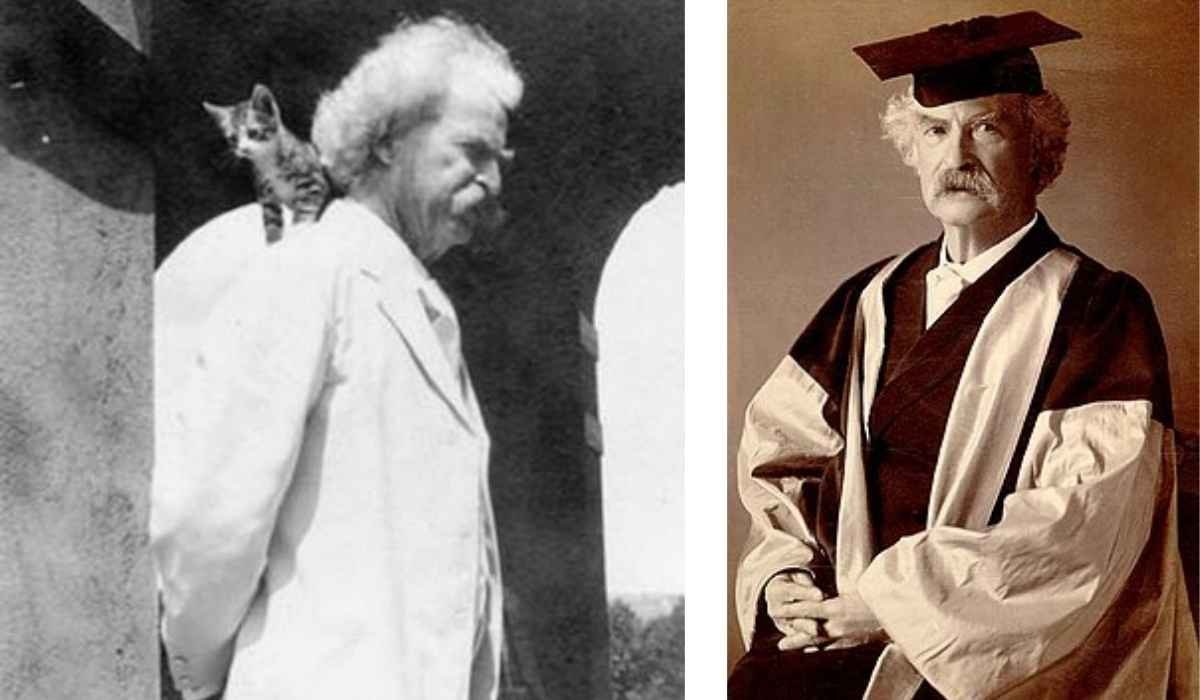
The iconic American author and humorist famously known as Mark Twain captured the hearts and minds of readers across the entire world through his brilliant storytelling, sharp social commentary, and deeply engaging depiction of nineteenth-century life along the great Mississippi River. Born Samuel Langhorne Clemens, this legendary literary figure transformed his early experiences working as a printer’s apprentice, riverboat pilot, and western journalist into enduring classics of world literature. His unique narrative style combined vernacular language with biting satire, creating a distinctively American literary voice that continues to inspire modern writers, scholars, and avid readers of classic fiction, travel writing, and historical essays everywhere today.
Quick Bio
| Attribute | Detail |
| Full Name | Samuel Langhorne Clemens |
| Pen Name | Mark Twain |
| Born | November 30, 1835 |
| Birthplace | Florida, Missouri |
| Died | April 21, 1910 |
| Occupation | Writer, Humorist, Lecturer |
| Notable Works | Adventures of Tom Sawyer, Adventures of Huckleberry Finn |
Early Childhood and Family Background in Missouri
Growing up in the small frontier village of Florida, Missouri, before moving to the bustling river port of Hannibal, shaped the imagination of Mark Twain in profound and lasting ways. Young Sam experienced a childhood filled with the sights and sounds of steamboats chugging along the wide river, which later served as the vivid backdrop for his most celebrated fictional masterpieces. Family life was modest and often touched by financial uncertainty, especially following the untimely passing of his father when Sam was just a young boy. These formative years instilled a sharp sense of observation, a keen eye for human eccentricities, and an early appreciation for the colorful folklore shared by local townspeople and enslaved workers on his uncle’s farm.
Apprenticeship Years and Early Printing Career
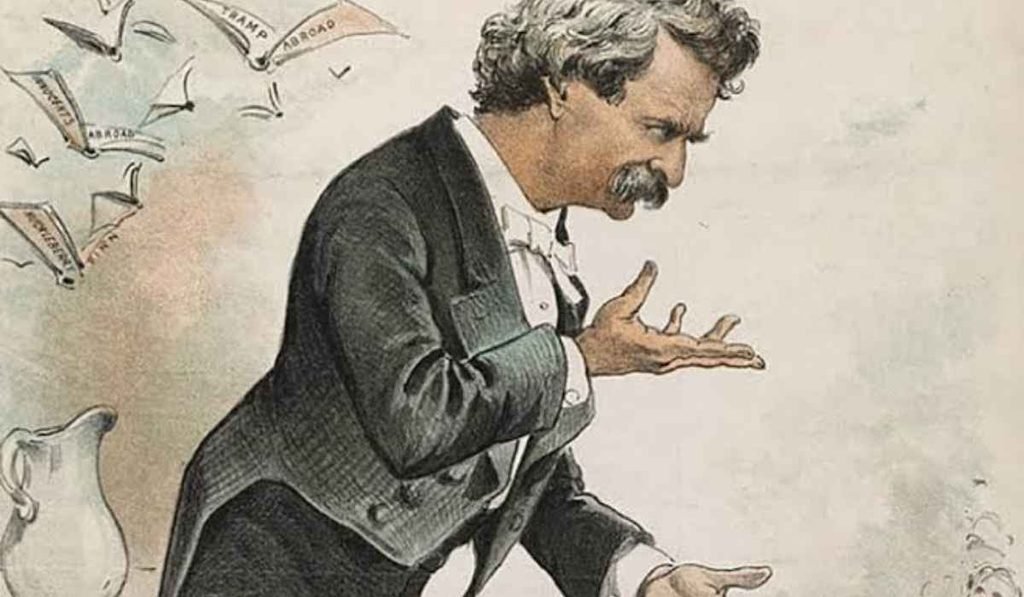
Stepping into the workforce at a very tender age, Mark Twain began learning the intricate trade of typography and printing as an apprentice for local community newspapers. Setting type letter by letter allowed him to absorb grammar, syntax, and global news stories while simultaneously trying his hand at writing brief humorous sketches and local editorials. This hands-on printing room education served as his true university, replacing formal schooling and sharpening his natural aptitude for witty commentary and engaging prose. Working closely with his older brother Orion on regional publications further expanded his professional horizons, laying a solid foundation for a lifelong career dedicated to the printed word, journalism, and creative storytelling ventures.
Adventures on the Mighty Mississippi River
Fulfilling a childhood ambition, Mark Twain left the printing trade behind to pursue a thrilling career as an apprentice steamboat pilot navigating the treacherous waters of the Mississippi River. Mastering the ever-shifting channels, hidden sandbars, and unpredictable currents required intense concentration, profound courage, and an intimate understanding of nature’s raw power. The pen name he eventually adopted was derived directly from safe riverboat terminology called out during sounding measurements, meaning twelve feet of water. Although the outbreak of the American Civil War abruptly halted commercial river traffic and brought his piloting days to a permanent close, those memorable years on the water provided an endless reservoir of literary inspiration.
Journey to the West and Mining Expeditions
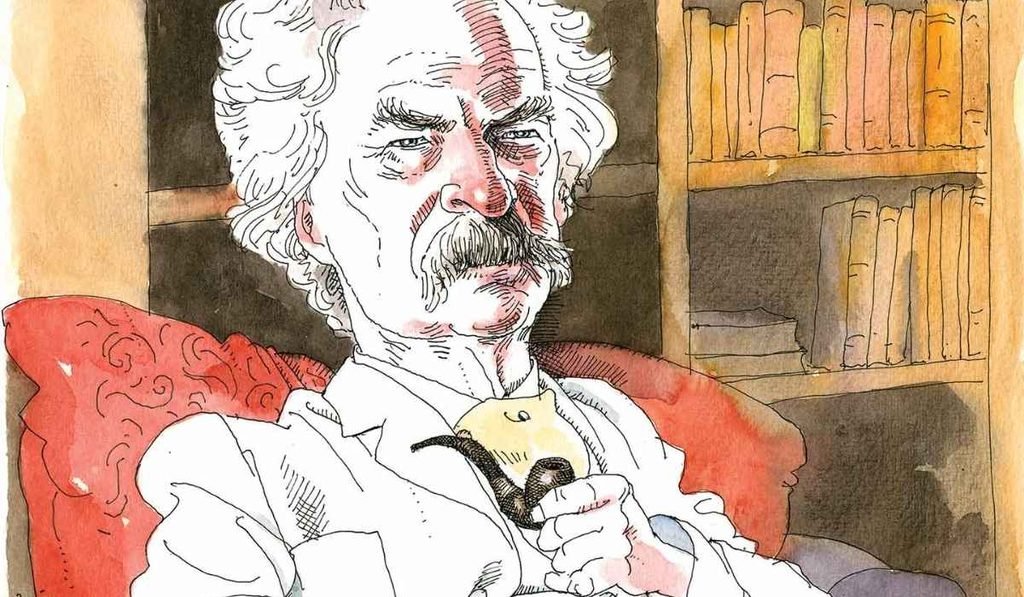
Seeking a drastic change of scenery and hoping to escape the regional conflicts of the eastern states, Mark Twain traveled by stagecoach across the vast American frontier toward the Nevada Territory. Accompanied by dreams of striking it rich during the booming silver rush, he spent grueling months prospecting in remote mountain camps and rugged mining districts. Despite failing to secure a fortune through hard manual labor, this rugged adventure exposed him to a colorful array of eccentric frontier characters, tall tales, and unforgettable survival experiences. The humorous trials and tribulations of these prospecting years later supplied rich narrative material for his celebrated semi-autobiographical travel book titled Roughing It.
Transition to Journalism in the Wild West
Embracing journalism as a practical fallback career, Mark Twain accepted a reporting position with the Territorial Enterprise newspaper located in the booming silver-mining hub of Virginia City. Writing daily news reports, local satirical columns, and witty feature articles allowed him to refine a distinctively breezy, irreverent storytelling voice that quickly resonated with western readers. It was within the bustling offices of this energetic newspaper that he first officially published under the famous pseudonym Mark Twain, cementing his public identity as a master humorist. His sharp wit, coupled with fearless critiques of local institutions and pompous officials, elevated his status from a regional reporter to a widely syndicated western literary celebrity.
Moving to San Francisco and Literary Breakthrough
Relocating further west to the vibrant cultural melting pot of San Francisco, Mark Twain continued working as a newspaper columnist while navigating a lively circle of emerging literary artists and bohemian intellectuals. His major national breakthrough occurred when a humorous frontier tall tale about a remarkably talented jumping frog was published in newspapers across the United States. This breakout success brought instant nationwide recognition, transforming him from a hardworking local journalist into a rising star of American humorous fiction. Audiences across the country fell completely in love with his unique brand of deadpan humor, sharp observation, and brilliant gift for transforming ordinary regional anecdotes into timeless works of comedic art.
Epic Travel Adventures Across Europe and the Holy Land
Embarking on a transformative steamship voyage across Europe and the Middle East, Mark Twain served as a special traveling correspondent for an influential California newspaper, recording his unfiltered impressions of foreign cultures. His hilarious yet deeply perceptive dispatches chronicled the absurdities of overly romanticized tourist traps, ancient monuments, and rigid European social customs with refreshing honesty and brilliant comedic timing. Compiled and published as his very first major book, these collected travel letters became an instant bestseller that established Mark Twain as a dominant force in contemporary travel literature. The overwhelming commercial triumph of this publication opened up exciting new financial opportunities and paved the way for his future career as a celebrated international lecturer.
Romance, Marriage, and Settling Down in Connecticut
Meeting Olivia Langdon through her brother proved to be a life-changing romantic milestone that eventually led to a deeply devoted marriage and a settled domestic life in Hartford, Connecticut. Surrounded by an adoring family, Mark Twain established a magnificent permanent residence where he spent decades writing his most iconic masterpieces in a dedicated third-floor study. His wife served as his trusted literary editor, fiercely protecting his public image while gently refining the rougher edges of his biting social critiques and satirical prose. This stable family environment provided the creative tranquility necessary for producing the sophisticated novels, insightful essays, and ambitious historical fiction that would ultimately define his golden age of literary productivity.
Immortalizing Childhood in The Adventures of Tom Sawyer
Capturing the mischievous spirit of youth along the banks of the Mississippi River, Mark Twain published his beloved classic novel The Adventures of Tom Sawyer to widespread critical acclaim and massive commercial success. Drawing heavily upon his own childhood memories of growing up in Hannibal, the book explored themes of youthful adventure, freedom, rebellion, and small-town social hypocrisy with unmatched brilliance. Readers of all ages immediately connected with the unforgettable escapades of Tom, Huck, and Becky Thatcher as they navigated imaginative plots, spooky graveyards, and hidden treasures. This timeless masterpiece secured the literary reputation of Mark Twain as a supreme chronicler of American boyhood and regional folklore.
Crafting the Masterpiece Adventures of Huckleberry Finn
Widely regarded by literary critics and historians as the ultimate Great American Novel, Adventures of Huckleberry Finn pushed the artistic boundaries of Mark Twain into bold new territory. Through the gripping first-person narrative of an outcast boy escaping civilization alongside an enslaved man seeking freedom, the book offered a devastating critique of institutional racism and moral hypocrisy. Ernest Hemingway famously declared that all modern American literature stems from this single brilliant book, praising its authentic vernacular language and profound emotional depth. Despite facing occasional censorship controversies over the years, the enduring masterpiece by Mark Twain remains an essential pillar of global literature and a powerful exploration of human conscience.
Exploring History and Satire in The Prince and the Pauper
Venturing away from contemporary American settings, Mark Twain turned his creative attention toward historical fiction with the publication of his engaging novel The Prince and the Pauper. The imaginative plot revolves around two identical boys—an impoverished London street urchin and the young Prince of Wales—who temporarily switch identities and experience drastically different social worlds. This clever narrative device allowed Mark Twain to cleverly satirize the rigid class structures, brutal legal systems, and institutional absurdities of Tudor-era England while maintaining an entertaining and accessible storyline for younger readers. The book showcased his remarkable versatility as a writer capable of blending deep historical research with heartwarming adventure and social critique.
Steamboat Memories and Literary Reflection in Later Life
Returning emotionally to his days on the great river, Mark Twain penned Life on the Mississippi, blending vivid historical memoir, travel writing, and biting social commentary into a unified masterpiece. The book documented both the romantic golden age of steamboat navigation and the harsh technological changes brought on by the rapid expansion of railroads across the American landscape. Through evocative descriptions and sharp personal reflections, Mark Twain captured a nation in transition, mourning the loss of a simpler frontier era while acknowledging the undeniable march of industrial progress. This remarkable work solidified his status not only as a humorist but as a profound philosophical observer of American society and culture.
Financial Struggles and Global Lecturing Triumphs
Facing severe financial ruin due to disastrous investments in experimental typesetting machinery and poorly managed publishing ventures, Mark Twain found himself drowning in massive personal debts later in life. Demonstrating extraordinary integrity and resilience, he embarked on a grueling, worldwide lecturing tour across multiple continents, performing nightly comedic monologues and readings to raise the funds necessary to pay back every single creditor in full. Audiences around the globe flocked to see the aging literary icon, whose legendary wit and captivating stage presence remained entirely undiminished by personal hardship. This remarkable triumph over bankruptcy earned Mark Twain widespread admiration and proved his unwavering commitment to personal honor, hard work, and moral responsibility.
Embracing International Fame and Honorary Academic Degrees
Achieving unprecedented global celebrity status during his later years, Mark Twain was fêted by kings, presidents, scientists, and cultural icons across Europe and North America as a true ambassador of American culture. His signature white suit, distinctive shock of white hair, and trademark pipe made him one of the most recognizable and beloved visual figures of the early twentieth century. In recognition of his immense literary contributions, the prestigious University of Oxford awarded him an honorary doctorate degree, an honor he accepted with characteristic humor and profound gratitude. Throughout these triumphant final chapters, Mark Twain continued to write brilliant satirical essays, short stories, and philosophical reflections reflecting on the curious nature of humanity.
Deep Personal Tragedies and Philosophical Writings
Beneath his sparkling public persona as a cheerful humorist, the later years of Mark Twain were deeply shadowed by profound personal grief, including the deaths of his beloved wife and three of his children. These devastating losses imbued his final writings with a darker, more pessimistic philosophical outlook regarding human nature, religious hypocrisy, and the mechanical universe. Works composed during this period, such as Letters from the Earth and What Is Man?, explored complex theological and existential questions with characteristic satirical sharpness. Despite grappling with deep melancholy, Mark Twain retained his razor-sharp intellect, transforming personal suffering into profound artistic statements that continue to challenge readers to think critically about society.
Pioneering Dictation and The Posthumous Autobiography
Devoting his final years to compiling a comprehensive, unconventional autobiography, Mark Twain chose to dictate his meandering memories, daily thoughts, and unfiltered opinions freely to a dedicated personal secretary. Rather than following a strict chronological sequence, he preferred jumping across different eras of his life on a whim, believing that spontaneous conversation captured his authentic voice far better than formal composition. He arranged for large portions of these revealing memoirs to remain strictly embargoed for decades following his passing to ensure total candor without causing unnecessary distress to living acquaintances. This fascinating autobiographical project by Mark Twain remains a crowning archival treasure that provides intimate insights into his complex personality, brilliant intellect, and daily life.
Final Years and the Symbolic Legacy of Halley Comet
Sharing an uncanny cosmic connection with the heavens, Mark Twain famously predicted in nineteen hundred and nine that he would pass away alongside the return of Halley’s Comet, which had blazed across the sky the year of his birth. True to his remarkable prophecy, he died of a heart attack on April twenty-first, nineteen hundred and ten, exactly one day after the famous comet reached its closest approach to Earth. His peaceful passing in Redding, Connecticut, marked the end of an extraordinary era for American letters. Tributes poured in from international leaders, literary giants, and devoted fans mourning the loss of Mark Twain, a visionary writer whose unmatched genius permanently reshaped global humor, fiction, and cultural storytelling.
Enduring Influence on Modern Literature and Culture
Leaving behind a literary empire built on wit, empathy, and uncompromising social critique, Mark Twain remains an immortal titan whose influence permeates every corner of modern global literature, popular culture, and academic scholarship. Countless writers, comedians, filmmakers, and educators continue drawing inspiration from his pioneering narrative techniques, memorable characters, and fearless defense of human dignity. Literary societies, museums, and historical homes dedicated to preserving his memory attract millions of visitors eager to connect with his remarkable creative spirit. Through his timeless books and essays, the enduring spirit of Mark Twain continues speaking directly to generation after generation of readers with undiminished relevance, brilliance, and charm.
FAQs
- What was the real birth name of Mark Twain?
- The famous author was actually born with the given name Samuel Langhorne Clemens.
- How did Mark Twain get his iconic pen name?
- He adopted his famous pseudonym from Mississippi River steamboat terminology indicating safe water depth of twelve feet.
- Which novels are considered the greatest masterpieces by Mark Twain?
- His most celebrated literary classics are widely recognized as The Adventures of Tom Sawyer and Adventures of Huckleberry Finn.
- What cosmic coincidence is associated with the birth and death of Mark Twain?
- He was born during the appearance of Halley’s Comet in 1835 and passed away precisely when it returned in 1910.
- Where can readers find comprehensive archival records about Mark Twain?
- Detailed historical documents and scholarly resources are maintained extensively within the Mark Twain entry.