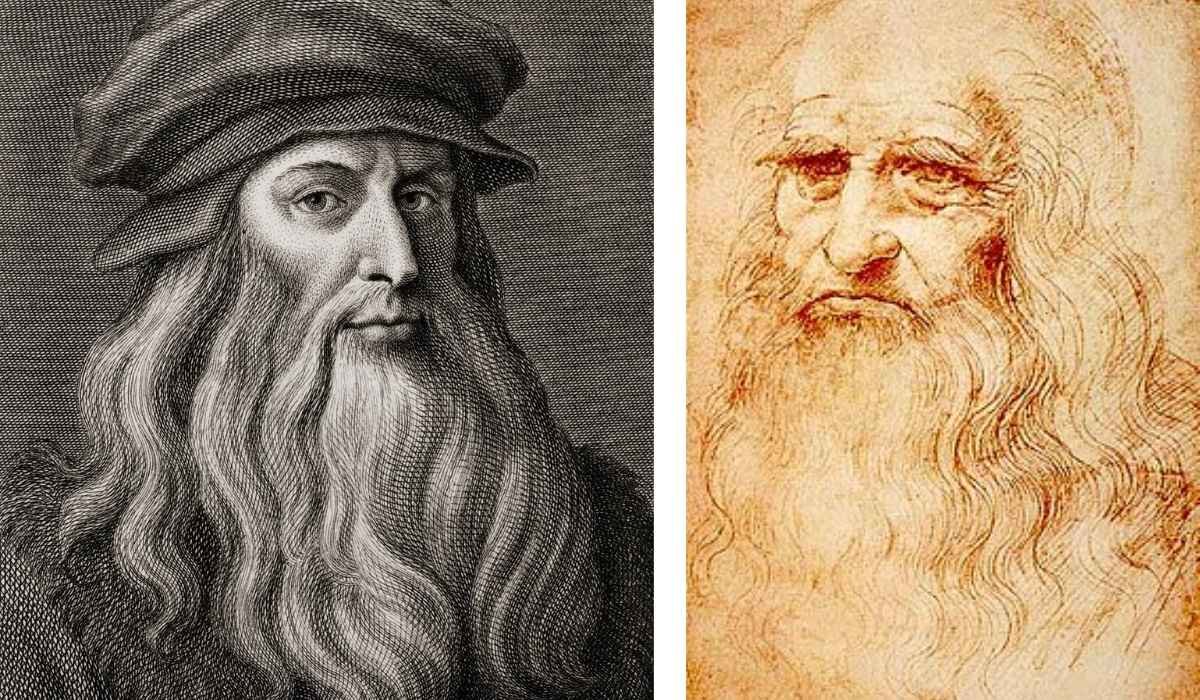
The remarkable history of Western civilization often highlights visionary figures, but none shine quite as brightly as Leonardo Da Vinci. Born in a small Tuscan hill town during the fifteenth century, this extraordinary individual grew up to redefine what human potential could achieve across numerous disciplines. His insatiable curiosity drove him to explore painting, anatomy, engineering, and architecture with equal passion and brilliance. Long before modern science established rigid boundaries between fields, he bridged art and empirical observation seamlessly. Every stroke of his brush and every note in his codices revealed a mind operating far ahead of its time. The impact of Leonardo Da Vinci continues to resonate deeply today, inspiring modern thinkers, artists, and innovators worldwide.
Quick Bio
| Attribute | Details |
| Full Name | Leonardo di ser Piero da Vinci |
| Born | April 15, 1452 |
| Birthplace | Vinci, Republic of Florence |
| Died | May 2, 1519 |
| Key Works | Mona Lisa, The Last Supper |
Early Beginnings and Childhood in Tuscany
Growing up amidst the breathtaking landscapes of the Italian countryside profoundly shaped the early perspective of Leonardo Da Vinci. Born out of wedlock to a local notary and a young peasant woman, he spent his formative years exploring nature closely. These quiet explorations nurtured an innate sense of wonder regarding flora, fauna, and geological formations. Although his formal education was somewhat basic, his raw intellect quickly compensated for any lack of structured academic training. Family recognition of his artistic aptitude ultimately guided him toward a transformative apprenticeship in Florence. This initial phase laid a rock-solid foundation for the multidisciplinary genius that Leonardo Da Vinci would eventually become.
Apprenticeship Under the Master Andrea del Verrocchio
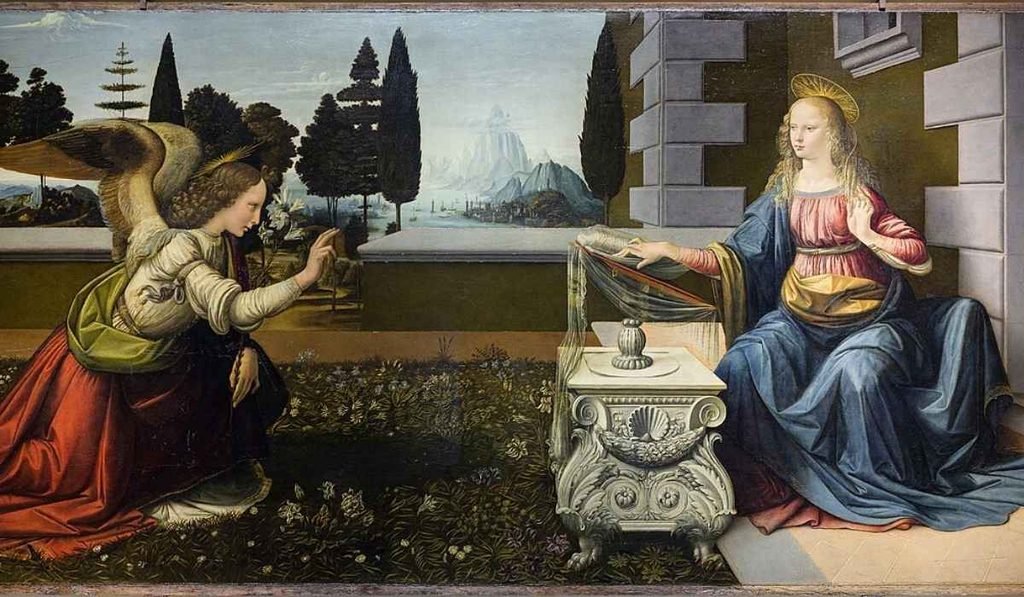
Moving to the bustling cultural hub of Florence exposed young minds to radical new ideas and techniques. Entering the renowned workshop of Andrea del Verrocchio proved to be a pivotal turning point for Leonardo Da Vinci. Under this master craftsman, apprentices learned everything from metallurgy and chemistry to drafting and sculpting. Collaborative projects allowed the young polymath to demonstrate exceptional skill, often astonishing his peers and teachers alike. This rigorous environment cultivated precision, discipline, and an uncompromising standard of visual excellence. The technical mastery acquired during these formative workshop years enabled Leonardo Da Vinci to approach creative projects with unmatched structural and aesthetic confidence.
The Birth of High Renaissance Artistry
Transitioning from a promising apprentice to an independent master painter marked the dawn of an unprecedented artistic revolution. During this vibrant period, the unique style of Leonardo Da Vinci began to crystallize through groundbreaking perspective and emotional depth. He rejected flat, stylized depictions in favor of realistic human forms imbued with psychological nuance. His ability to manipulate light and shadow—known famously as sfumato—created soft, lifelike transitions that captivated viewers. Contemporary patrons quickly realized they were witnessing the birth of something extraordinary and monumental. Through revolutionary techniques, Leonardo Da Vinci effectively established the core visual standards of the High Renaissance era.
Creating the World Famous Mona Lisa
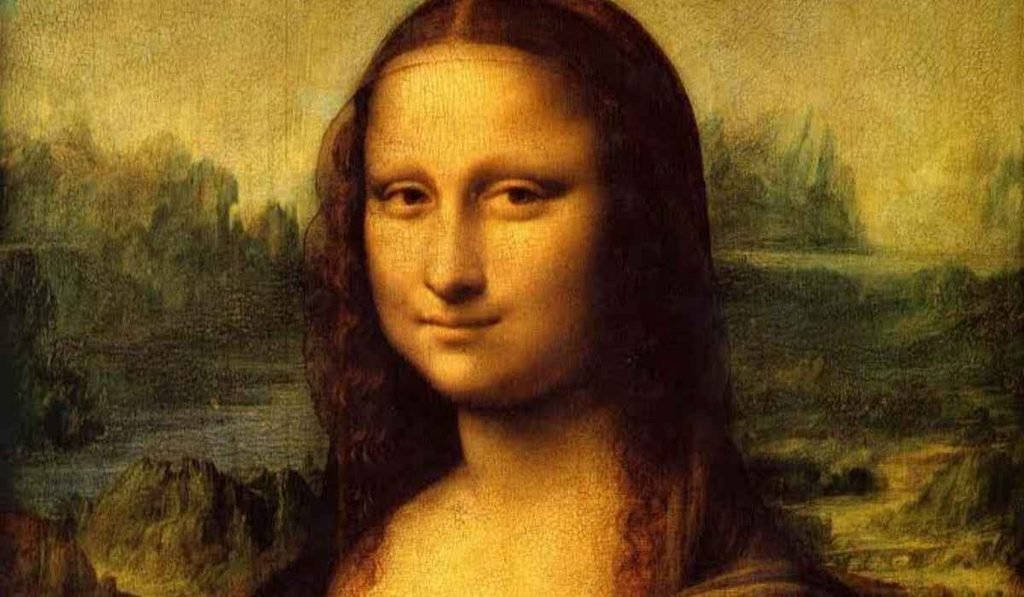
Few cultural artifacts carry the universal recognition and profound mystery embodied by the world-famous portrait of Lisa Gherardini. Commissioned during the early sixteenth century, this masterpiece showcases the psychological portraiture mastery of Leonardo Da Vinci. The enigmatic smile and atmospheric background landscape have launched centuries of endless debate, analysis, and interpretation. Every subtle brushstroke demonstrates an astonishing command over oil painting mediums and human expression. Despite numerous attempts to decode its secrets, the portrait retains an alluring aura of eternal fascination. The enduring global cultural footprint of Leonardo Da Vinci remains eternally anchored to this singular, captivating canvas.
The Masterpiece of The Last Supper
Transforming a convent refectory wall in Milan into an immortal visual narrative required monumental architectural and emotional planning. Working tirelessly on the mural, Leonardo Da Vinci captured the exact dramatic moment Christ announces his impending betrayal. Each apostle reacts with distinct gestures, dynamic body language, and profound psychological dismay. Unfortunately, experimental mixing of dry media on wet stone caused rapid deterioration over subsequent decades. Nevertheless, meticulous restoration efforts have successfully preserved the dramatic intensity of the original composition. This monumental fresco stands as a permanent testament to the compositional genius of Leonardo Da Vinci.
Scientific Inquiry and Anatomical Explorations
Beyond traditional canvas work, an overwhelming drive to understand the inner workings of the natural universe consumed his daily life. The relentless scientific inquiries pursued by Leonardo Da Vinci spanned botany, optics, hydraulics, and aerodynamics. Dissecting human corpses under strict secrecy allowed him to map musculature and skeletal structures with unprecedented accuracy. His detailed anatomical sketches corrected centuries of medical dogma and laid groundwork for modern biological sciences. Knowledge was never pursued merely for abstract academic satisfaction by Leonardo Da Vinci; it was a vital tool to decode existence.
Engineering Marvels and Futuristic Inventions
Imagining technology centuries before the industrial revolution became possible was a regular pastime for this prolific Italian polymath. Detailed codices left behind by Leonardo Da Vinci feature conceptual designs for armored vehicles, flying machines, and complex bridges. Although many of these devices could not be constructed using contemporary materials, their mechanical logic was sound. He studied gear ratios, pulley systems, and water currents to design functional labor-saving machinery. Modern engineers frequently recreate these sketches, marveling at the sheer foresight embedded within works by Leonardo Da Vinci.
Years in Milan and Royal Patronage
Navigating the complex political landscape of fifteenth-century Italy required immense diplomatic tact alongside creative brilliance. For nearly two decades, Leonardo Da Vinci served as court painter and engineer to the Duke of Milan. This prosperous engagement allowed him to manage large pageants, design theatrical stage machinery, and plan monumental sculptures. Later in life, he accepted a prestigious invitation from the French monarch to spend his final years comfortably abroad. This royal support provided intellectual freedom and financial security for Leonardo Da Vinci until his peaceful passing.
The Significance of Private Notebooks
Thousands of surviving manuscript pages offer an intimate window into the chaotic, brilliant interior monologue of a true polymath. The extensive personal notebooks maintained by Leonardo Da Vinci overflow with mirror-writing, sketches, grocery lists, and philosophical musings. These documents reveal a mind that jumped effortlessly from calculating fluid dynamics to designing fantastical stage costumes. Preserved across major global museums, these codices remain among the most valuable intellectual treasures in human history. Scholars continue decoding the dense shorthand utilized daily by Leonardo Da Vinci.
Mastery of Light, Shadow, and Sfumato
Visual realism in Renaissance art reached new heights largely due to specialized optical experimentation and meticulous observation. The signature sfumato technique mastered by Leonardo Da Vinci eliminated harsh outlines by blending tones imperceptibly. This approach mimicked how human eyes actually perceive light and atmosphere in real-world environments. By studying how shadows fall across complex physical surfaces, he achieved unprecedented dimensionality in his paintings. Art history textbooks universally credit these stylistic innovations pioneered by Leonardo Da Vinci with transforming visual culture.
Architecture and Urban Planning Concepts
Designing functional, hygienic, and aesthetically pleasing urban spaces occupied a significant portion of his professional engineering career. Municipal blueprints drafted by Leonardo Da Vinci featured multi-level traffic systems, sanitation channels, and defensive fortifications. He understood that overcrowded medieval cities required systemic reorganization to prevent widespread disease and structural collapse. Though few of these visionary urban proposals were built during his lifetime, they influenced modern city planning deeply. The forward-thinking architectural vision of Leonardo Da Vinci anticipated future urban civilization challenges.
Studies in Cartography and Geography
Mapping terrain accurately required a synthesis of geometry, direct observation, and artistic rendering skills. The topographical maps produced by Leonardo Da Vinci offered bird-eye perspectives that amazed contemporary military strategists and rulers. His rendering of the Arno river valley demonstrated an advanced comprehension of cartographic projection long before satellites. By correlating geographical formations with geological history, he revolutionized how humanity visualized landmasses. Exploration and spatial mapping were natural extensions of the curiosity driving Leonardo Da Vinci.
Musical Talents and Performance Design
Few casual observers realize that artistic mastery extended comfortably into musical composition and instrument design. Historical accounts frequently praise the virtuosic lyre-playing performances delivered by Leonardo Da Vinci in aristocratic courts. He even invented innovative musical instruments, including a mechanized viola organista that combined keyboard and bow mechanics. Entertainment and performance production under his direction dazzled nobility across the Italian peninsula. Creativity knew no boundaries for Leonardo Da Vinci, flowing effortlessly between visual arts and acoustic performance.
Botanical Illustrations and Ecological Insights
Plant structures, leaf arrangements, and growth patterns fascinated the sharp observational gaze of this Renaissance master. Detailed botanical studies executed by Leonardo Da Vinci documented species with scientific accuracy while retaining artistic elegance. He analyzed how leaves spiraled around stems to maximize sunlight exposure and rainwater collection efficiently. These ecological insights revealed an early appreciation for the interconnected balance of natural ecosystems. Nature served as the ultimate teacher and inspiration for Leonardo Da Vinci throughout his life.
Philosophy of Empirical Observation
Rejecting dogma and unverified assumptions, he insisted that direct empirical experience should dictate human understanding of truth. The core epistemology championed by Leonardo Da Vinci relied entirely on rigorous testing, sight, and measurement. He famously wrote that experience was the true interpreter between artifice and nature. This proto-scientific method placed him centuries ahead of the formal scientific revolution led by later European thinkers. Intellectual independence and critical skepticism defined every project undertaken by Leonardo Da Vinci.
Rivals and Contemporaries of the Renaissance
Working alongside other legendary titans like Michelangelo and Raphael created a uniquely competitive yet extraordinarily productive cultural environment. Creative friction between giants pushed the entire artistic community to achieve unprecedented levels of technical mastery. While artistic philosophies sometimes clashed, mutual respect for genius generally prevailed among these historical icons. The vibrant intellectual ecosystem surrounding Leonardo Da Vinci catalyzed the greatest cultural explosion in Western history. Competition served as a powerful catalyst for the masterpieces produced by Leonardo Da Vinci.
Final Years in France and Lasting Legacy
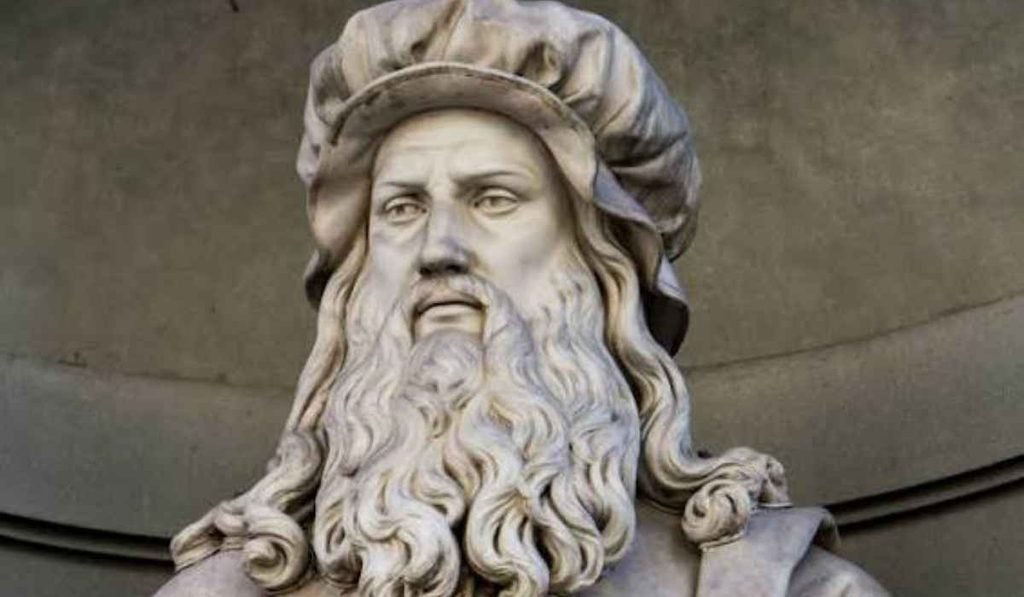
Spending his final years as premier painter and engineer to King Francis I brought peace and professional recognition. Honored and respected by European royalty, Leonardo Da Vinci spent his twilight years organizing manuscripts at Clos Lucé. His death in May 1519 marked the end of an era, but his cultural footprint expanded exponentially posthumously. Generations of creators have looked back to his achievements as the gold standard of human achievement. The mythos surrounding Leonardo Da Vinci continues to grow with every passing century.
Preservation of Notebooks and Artistic Treasures
Protecting fragile paper manuscripts and aging wood panels has become a major modern international conservation priority. Museums housing creations by Leonardo Da Vinci utilize advanced climate control and digital scanning technologies. Scholars worldwide collaborate to ensure these priceless documents remain accessible for future academic research and public exhibitions. Conservation science has simultaneously revealed hidden underdrawings beneath famous paintings, shedding light on his creative process. Protecting this heritage ensures future generations can study Leonardo Da Vinci directly.
The Ultimate Symbol of Universal Genius
Epitomizing the classic ideal of a Renaissance humanist, his life remains an unparalleled monument to human curiosity. The term “Renaissance Man” was practically invented to describe the boundless capabilities demonstrated by Leonardo Da Vinci. His ability to master multiple complex disciplines simultaneously challenges modern notions of specialization and career focus. Humanity continues to look toward his legacy as proof of what an uninhibited, inquiring mind can accomplish. The enduring inspiration of Leonardo Da Vinci will forever illuminate the path of human progress.
FAQs
- When was Leonardo Da Vinci born?
- Leonardo Da Vinci was born on April 15, 1452, in the Tuscan hill town of Vinci, Italy.
- What are his most famous paintings?
- His most famous and widely recognized paintings are the Mona Lisa and The Last Supper.
- Did Leonardo Da Vinci invent flying machines?
- Yes, he conceptualized early versions of flying devices, helicopters, and parachutes in his detailed notebooks.
- What is sfumato in his art?
- Sfumato is an artistic technique of blending colors and tones seamlessly so there are harsh outlines.
- Where did he spend his final years?
- He spent his final years in France at the invitation of King Francis I, residing at the Château du Clos Lucé.