
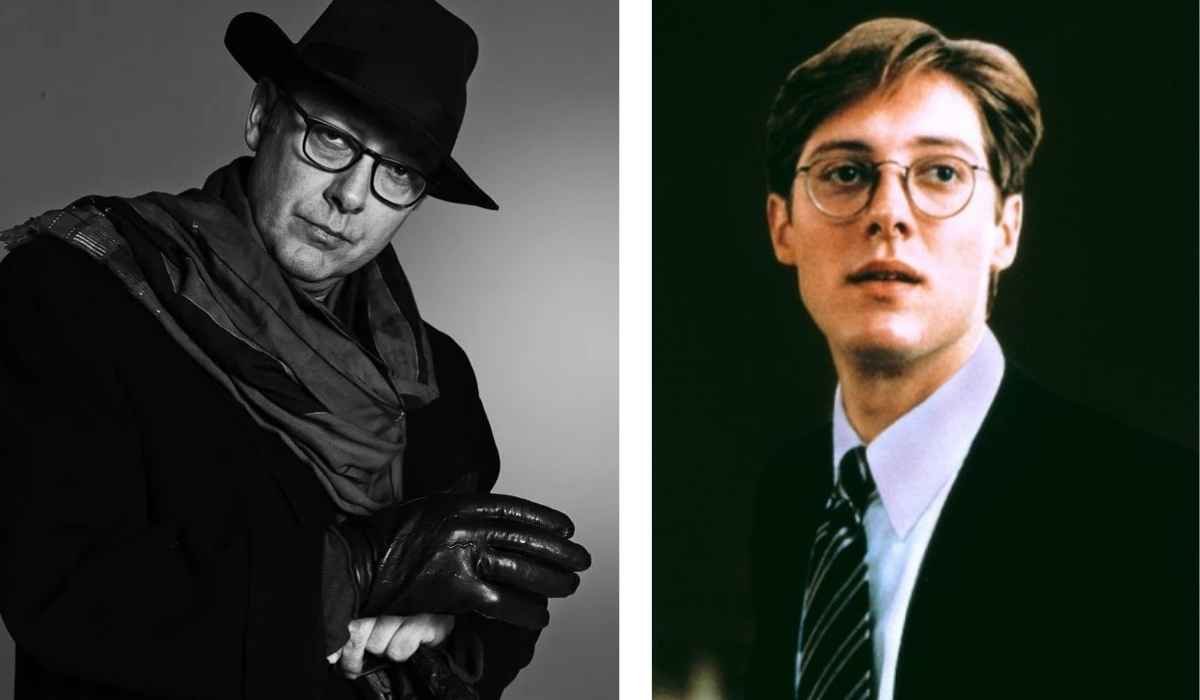
Exploring the fascinating trajectory of James Spader reveals an actor who has consistently defied conventional Hollywood standards through intensely captivating performances. From his breakout cinematic villainy in the 1980s to dominating network television and streaming platforms, his distinctive cadence and intellectual screen presence remain unmatched. Audiences across generations continue to marvel at his ability to infuse eccentric charm, razor-sharp wit, and psychological complexity into every single character he portrays. Understanding his cultural impact requires a detailed examination of his artistic evolution, critical acclaim, and enduring popularity within the global entertainment industry.
Quick Bio: James Spader
| Attribute | Detail |
| Full Name | James Todd Spader |
| Date of Birth | February 7, 1960 |
| Place of Birth | Boston, Massachusetts, USA |
| Occupation | Actor and Producer |
| Notable Roles | Raymond Reddington, Ultron, Alan Shore |
Early Life and Childhood Roots of James Spader
Growing up in a progressive and intellectual household in Boston, James Spader developed an early appreciation for the arts and independent thinking. His parents worked as educators, which fostered an environment that valued intellectual curiosity over conventional career paths. During his formative school years, he attended several prestigious private academies where he first began experimenting with theatrical productions and dramatic arts. These foundational experiences shaped his creative sensibilities and instilled a deep discipline regarding character study. Ultimately, deciding to pursue acting full-time led him to relocate to New York City, where he honed his craft through rigorous training and early stage auditions.
Breaking into Cinema and Breakthrough Roles

Entering the competitive film scene during the early 1980s, James Spader quickly caught the attention of casting directors looking for unconventional talent. His breakthrough performances often showcased a remarkable ability to portray arrogant yet deeply magnetic young antagonists in coming-of-age dramas. Movies like Endless Love and Tuff Turf laid the groundwork for a burgeoning career built on high-tension performances. Directors appreciated his intense focus and willingness to explore the darker, more unsettling psychological nuances of youth culture. This early momentum paved the way for iconic collaborations that would soon cement his status as a formidable cinematic force across multiple genres.
The Critical Triumph of Sex, Lies, and Videotape
The defining turning point of global recognition for James Spader arrived with Steven Soderbergh’s groundbreaking indie masterpiece, Sex, Lies, and Videotape. His mesmerizing portrayal of a troubled traveler engaging in intimate psychological confessions earned him the prestigious Best Actor award at the Cannes Film Festival. This monumental triumph changed the trajectory of his career, proving that his specialized brand of intense intellectualism could carry a critically acclaimed arthouse film. Industry peers and critics alike praised his understated delivery and ability to convey immense emotional turmoil through subtle expressions. Consequently, this role established him as a darling of independent cinema and expanded his artistic reach significantly.
Exploring Hollywood Blockbusters and Cult Classics

Following his international festival success, James Spader skillfully balanced lucrative Hollywood studio pictures with provocative independent projects. He demonstrated his incredible range by appearing in science fiction milestones like Stargate alongside major dramatic thrillers. Whether playing an eccentric Egyptologist or a morally compromised corporate lawyer, he brought unparalleled dedication to every script. Fans of cult cinema frequently celebrate his willingness to tackle bizarre, challenging premises that mainstream leading men typically avoided. This eclectic filmography ensured that his name remained synonymous with quality storytelling, artistic integrity, and unforgettable cinematic moments throughout the turbulent cinematic landscape of the 1990s.
Transitioning to Television and Dramatic Excellence
While firmly established as a cinematic staple, James Spader made a seamless and highly successful transition into television dramas. Television executives realized that his magnetic screen presence and rapid-fire speech patterns were ideal for serialized storytelling formats. His recurring guest roles and eventual leading turns demonstrated a masterful grasp of long-form character arcs and complex narrative development. Critics lauded his commitment to breathing life into flawed, brilliant, and occasionally eccentric protagonists who dominated primetime viewing blocks. This successful pivot opened up entirely new creative horizons, allowing him to command television screens with the same authority he brought to the silver screen.
Winning Emmy Recognition in The Practice

Stepping into the legal drama realm with David E. Kelley’s critically acclaimed series The Practice marked another monumental chapter for James Spader. As the brilliantly articulate, morally flexible attorney Alan Shore, he captured the cultural zeitgeist and captivated millions of weekly viewers. His spellbinding courtroom closing arguments became legendary, showcasing a virtuosic command of dense, highly sophisticated dramatic monologues. This tour de force performance earned him widespread critical acclaim and his first Primetime Emmy Award for Outstanding Lead Actor. The character resonated so deeply with audiences that network executives immediately built an entire spin-off series around his unique legal philosophy.
Redefining Legal Dramas Through Boston Legal
Continuing the legacy of Alan Shore, James Spader co-anchored the beloved legal comedy-drama Boston Legal alongside legendary screen icon William Shatner. The series allowed him to blend sharp satirical social commentary with deeply heartfelt explorations of unconventional friendship and modern ethics. His chemistry with his co-stars transformed balcony-scene cigar chats into iconic television touchstones that fans still celebrate today. Winning multiple Emmy Awards for this role solidified his status as television royalty and proved his exceptional comedic timing. Through this project, he demonstrated that complex dramatic actors could successfully anchor sophisticated, character-driven satires with immense grace and wit.
Entering the Marvel Cinematic Universe as Ultron
Expanding his blockbuster footprint, James Spader joined the multi-billion-dollar Marvel Cinematic Universe as the sentient robotic antagonist Ultron. Utilizing cutting-edge motion-capture technology and voice work, he delivered a chillingly charismatic performance in Avengers: Age of Ultron. His interpretation of the rogue artificial intelligence blended menacing megalomania with surprisingly dry, philosophical humor that fascinated comic book fans. Bringing physical presence and vocal nuance to a CGI character required extraordinary technical skill, which he executed flawlessly alongside an ensemble cast. This monumental role introduced his unique acting style to a massive new generation of global blockbuster moviegoers.
Dominating Global Television with The Blacklist
As the enigmatic international fugitive Raymond “Red” Reddington, James Spader anchored NBC’s smash-hit thriller series The Blacklist for a decade. His mesmerizing portrayal of a criminal mastermind assisting the FBI while pursuing his own mysterious agenda captivated international audiences weekly. He infused the character with refined culinary tastes, terrifying lethality, and a warm, grandfatherly charm that kept viewers perpetually guessing. The sheer longevity of the series showcased his remarkable stamina as a leading man who could sustain narrative tension across hundreds of episodes. This monumental achievement cemented his legacy as one of modern television’s most bankable and enduring dramatic anchors.
Examining the Unique Acting Style and Method
Analyzing the artistic methodology of James Spader reveals an actor who relies heavily on vocal cadence, deliberate pacing, and physical stillness. He possesses a legendary reputation for memorizing scripts with absolute precision while maintaining strict control over his character’s psychological boundaries. Rather than relying on explosive emotional outbursts, he utilizes pauses, intense eye contact, and quiet menace to command viewer attention. Directors frequently note his meticulous preparation and deep collaboration regarding script development to ensure authentic character motivations. This distinctive stylistic fingerprint makes his performances instantly recognizable and universally admired by fellow acting professionals worldwide.
Exploring Private Life and Personal Philosophies
Despite achieving global celebrity status for decades, James Spader fiercely guards his personal life and maintains a remarkably private existence. He famously avoids excessive social media engagement, preferring to let his body of work speak entirely for itself. Interviews reveal a thoughtful, articulate individual who values quiet domestic routines, reading, and spending quality time away from Hollywood flashbulbs. His candid remarks about viewing acting as a profession rather than an obsession highlight a grounded perspective on fame. This deliberate boundary between public performer and private citizen has allowed him to sustain a long, peaceful career without succumbing to industry burnout.
Cultural Impact and Lasting Legacy in Hollywood
The enduring cultural footprint left by James Spader spans multiple decades of evolution within film and television production standards. By consistently choosing layered, morally ambiguous outsiders over traditional wholesome heroes, he expanded the boundaries of acceptable protagonist archetypes. Aspiring actors frequently study his television monologues as masterclasses in rhythm, comedic timing, and dramatic tension control. His body of work serves as a testament to the power of intellectualism and distinct individuality in a commercialized entertainment system. Consequently, his legacy remains permanently etched into the annals of modern American cinematic and televisual history.
Exploring His Continuing Evolution in Entertainment
Entering modern streaming and television landscapes, James Spader continues to surprise audiences by selecting unpredictable projects that challenge conventional artistic boundaries. Whether returning to beloved sci-fi franchises or exploring new narrative mediums, his creative choices consistently generate immense anticipation across entertainment circles. Industry observers frequently note his ability to adapt to changing production models while maintaining absolute artistic control over his roles. This continuous reinvention proves that true talent transcends passing entertainment trends and generational shifts in media consumption habits. Fans eagerly look forward to every new chapter of his storied and unpredictable career trajectory.
Frequently Asked Questions
- Q: When was James Spader born?
- A: He was born on February 7, 1960.
- Q: What is his most famous television role?
- A: He is widely known for playing Raymond Reddington in The Blacklist.
- Q: Did he win any Emmy Awards?
- A: Yes, he won multiple Emmy Awards for his work in The Practice and Boston Legal.
- Q: Which Marvel movie featured his voice acting?
- A: He voiced and motion-captured the villain Ultron in Avengers: Age of Ultron.
- Q: Where can I read more about his life and filmography?
- A: You can find comprehensive biographical details on the James Spader page.