The entertainment world changed forever when a sharp-witted broadcaster from Indiana stepped behind a late-night desk to redefine television comedy. Known for his trademark gap-toothed smile and brilliantly cynical sense of humor, David Letterman captivated millions of loyal viewers over decades of unforgettable broadcasting. From his early days as an eccentric local weatherman predicting weather conditions and hail the size of canned hams to pioneering ironic humor on network television, his influence remains unmatched. This comprehensive exploration examines the milestones, cultural impact, production ventures, and lasting legacy of a true pioneer in modern media entertainment history.
Quick Bio
| Feature | Description |
| Full Name | David Michael Letterman |
| Birthdate | April 12, 1947 |
| Birthplace | Indianapolis, Indiana, U.S. |
| Alma Mater | Ball State University |
| Years Active | 1970–present |
| Notable Shows | Late Night, Late Show, My Next Guest Needs No Introduction |
Early Beginnings and Childhood in Indiana
Growing up in the midwest during the post-war era provided a unique backdrop for a young boy who would eventually transform the landscape of American comedy. Born in Indianapolis, Indiana, David Letterman spent his formative years exploring local neighborhoods, collecting model cars, and absorbing the everyday humor of his hardworking parents. His father worked as a local florist while his mother contributed administrative support, creating a stable environment despite early family health scares. These midwestern roots instilled a grounded perspective that consistently shone through his broadcasting career, keeping him connected to ordinary people even as his national fame skyrocketed across the entire country.
Education at Ball State University
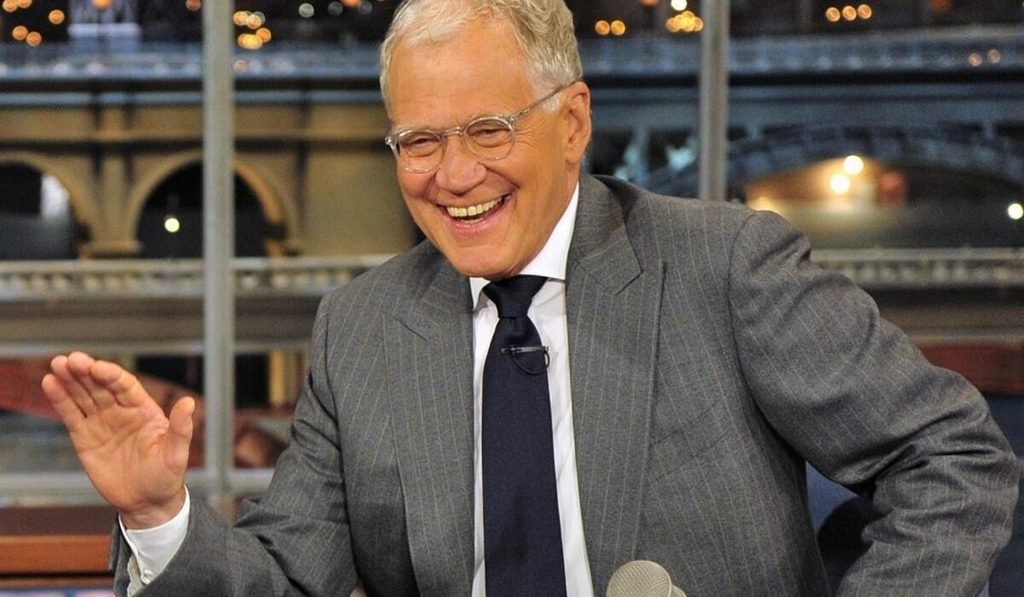
Higher education served as the official launchpad for his professional broadcasting journey, starting inside the campus radio studios of Ball State University. Enrolling in the radio and television department, David Letterman immersed himself in campus media production, working diligently at the student-run station where his unconventional personality quickly made waves. Although he humorously clashed with supervisors for treating classical music selections with playful irreverence, these formative experiences sharpened his natural timing and on-air delivery skills. Graduating with a bachelor’s degree in 1969, he walked away with foundational broadcasting technical knowledge that prepared him directly for the competitive commercial media marketplace waiting just outside the campus gates.
Breaking Into Local Broadcasting and Weather Reporting
Professional broadcasting began in earnest when local television and radio stations offered him roles ranging from news anchor to children’s show host. Working at Indianapolis stations, David Letterman cultivated a wildly eccentric on-air persona that viewers found utterly mesmerizing, especially during his unpredictable and hilarious weather reports. Instead of delivering standard meteorological data, he would invent fictitious towns or congratulate tropical storms on being upgraded to full hurricanes, creating instant watercooler conversation across the city. This fearless willingness to break traditional broadcasting rules demonstrated that standard television conventions were simply too small for his expansive and deeply original comedic imagination.
Moving to Los Angeles for Comedy Writing
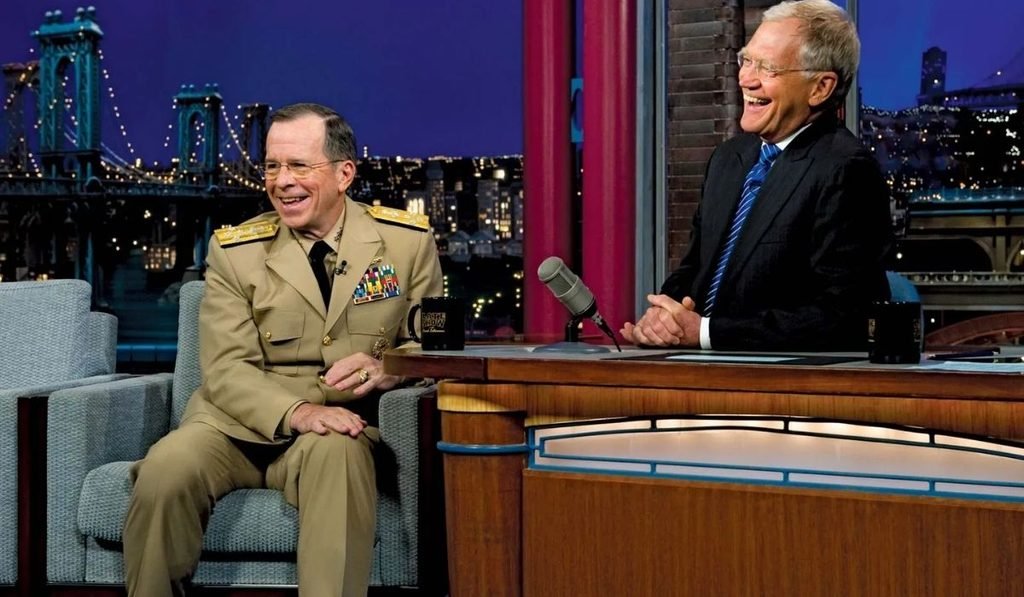
Chasing a bigger dream required packing up a pickup truck and driving west toward the entertainment capital of California alongside his first wife. Once settled in Los Angeles, David Letterman focused heavily on sharpening his craft by writing jokes and material for popular prime-time television sitcoms. Navigating the demanding comedy club scene allowed him to network with industry insiders while refining the deadpan observations that would soon define his signature style. These crucial years of struggling and writing in Hollywood forged the resilience necessary to survive in front of live studio audiences and prepared him for the monumental career breakthroughs waiting just around the corner.
Finding Mentorship With Johnny Carson
Appearing as a guest stand-up comedian on iconic late-night television changed everything when he caught the attention of the undisputed king of the genre. Johnny Carson immediately recognized the unique brilliance of David Letterman, frequently inviting him back as a preferred guest and eventual guest host. This invaluable mentorship provided a masterclass in television timing, interview pacing, and relaxed audience engagement that shaped his professional philosophy. Building this strong relationship with Carson opened doors to daytime programming and ultimately paved the path for his own revolutionary network television show that would capture the attention of a nation.
Launch of Late Night on NBC
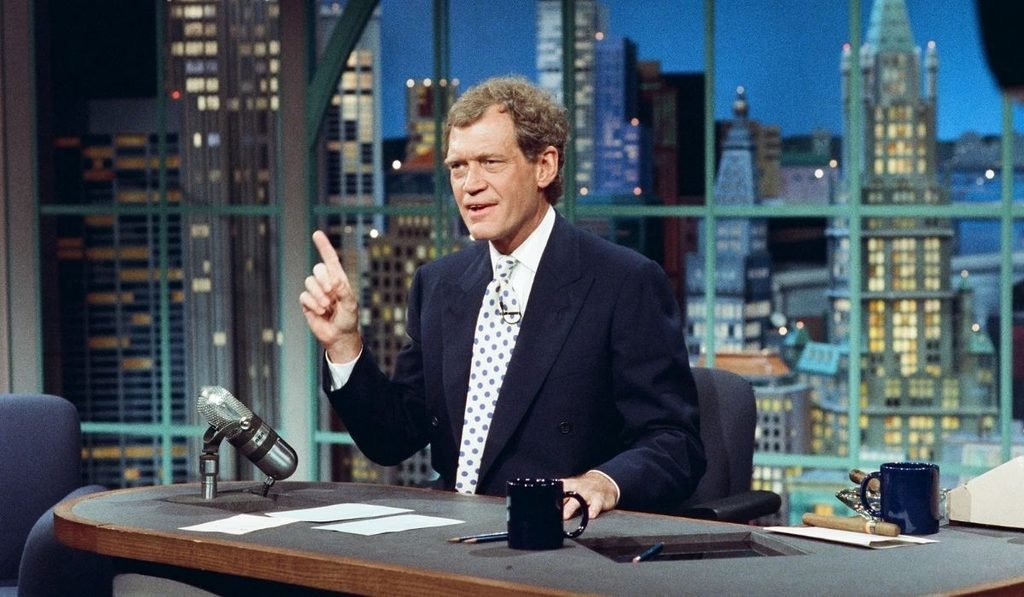
Network television entered a bold new era when NBC handed over the post-Carson time slot to a fresh, offbeat program in February 1982. Late Night with David Letterman quickly established a reputation for chaotic brilliance, subverting traditional talk show formats with anarchic sketches and surreal humor. Viewers tuning in late at night were treated to segments like wandering hallways with cameras, dropping objects from high office buildings, and interacting with bewildered neighborhood merchants. This rebellious spirit resonated powerfully with college students and night owls, turning an experimental time slot into a massive cultural phenomenon that permanently altered late-night television expectations.
Iconic Comedic Segments and Top Ten Lists
Creative innovation flourished nightly as the program introduced legendary recurring bits that viewers looked forward to watching week after week. The introduction of the nightly Top Ten List became an instant pop culture touchstone, inviting audiences across America to laugh at absurd rankings of everyday topics. Meanwhile, segments like Stupid Pet Tricks showcased ordinary animals performing bizarre feats, proving that everyday eccentricity was just as entertaining as high-profile celebrity interviews. Supported by bandleader Paul Shaffer and a tight-knit crew, David Letterman transformed mundane studio interactions into theatrical comedy that defined an entire generation of television humor.
The Historic Network Transition to CBS
Industry shockwaves rippled through television when NBC passed over the veteran host to take over the primary Tonight Show seat upon Carson’s retirement. Seizing a bold new opportunity, David Letterman signed an unprecedented multi-year contract with CBS to launch a brand-new competing program called the Late Show. Moving to the historic Ed Sullivan Theater in New York City, he recreated his magic for a new network while maintaining the sharp, sarcastic edge fans adored. This successful network migration proved that his personal brand of comedy was bigger than any single corporation, establishing a fierce late-night ratings rivalry that dominated entertainment headlines for years.
Cultural Dominance at the Ed Sullivan Theater
Broadcasting from the heart of Manhattan infused the program with an unmistakable urban energy that celebrated New York City culture. Pedestrian interactions, window peering stunts, and interactions with deli owners across the street became staples of the CBS era under David Letterman. The majestic theater provided a grand stage for major political figures, Hollywood actors, and legendary musicians to showcase their talents to millions of enthusiastic households. By blending high-profile celebrity glamour with street-level absurdity, the program cemented its status as an indispensable pillar of American media and late-night television excellence.
Production Success Through Worldwide Pants Incorporated
Behind the scenes, creative control translated into major business ventures through the establishment of an independent television production company. Formed in 1993, Worldwide Pants Incorporated produced not only his own network programs but also spawned critical hits like The Late Late Show and primetime comedies. Most notably, the company backed the immensely successful CBS sitcom Everybody Loves Raymond, which became a monumental ratings titan and syndication powerhouse. This entrepreneurial acumen ensured that David Letterman maintained financial independence and creative freedom throughout decades of shifting media landscapes and evolving corporate television structures.
Memorable Interviews and Confrontational Encounters
Unpredictable interview dynamics became a hallmark of his broadcasting style, keeping both studio guests and home audiences completely on edge. Whether sharing genuinely warm banter with Hollywood icons or engaging in tense, friction-filled exchanges with difficult public figures, authenticity always won out. He had zero patience for standard promotional fluff, often challenging guests who took themselves too seriously with dry wit and disarming candor. These compelling conversational moments elevated late-night talk shows from simple commercial vehicles into genuine psychological studies of fame, media training, and human nature.
Health Challenges and Triumphant Return to Television
Personal adversity struck dramatically when severe heart complications required emergency quintuple bypass surgery, forcing a temporary hiatus from his beloved daily hosting schedule. Demonstrating remarkable resilience, David Letterman returned to the airwaves with a deeply moving broadcast thanking the medical professionals who saved his life. In classic deadpan fashion, he later joked about his recovery and even petitioned local authorities to name a highway bypass after him. This transparent vulnerability endeared him even further to the public, proving that beneath the cynical exterior lay a deeply grateful and resilient human being.
Mentorship and Influence on Modern Comedians
Countless contemporary broadcasters, writers, and stand-up comedians frequently credit the legendary host as the foundational inspiration for their own professional journeys. Figures such as Conan O’Brien, Jimmy Fallon, Jimmy Kimmel, Stephen Colbert, and John Oliver have openly acknowledged how much they learned from watching David Letterman. His subversion of traditional television norms gave permission for subsequent generations to experiment, embrace awkwardness, and construct alternative comedic formats across cable and streaming networks. The entire modern ecosystem of late-night television exists as a direct extension of the creative trail he blazed over thirty years ago.
Emotional Farewell From Late-Night Broadcasting
The television era concluded in May 2015 when an emotional final broadcast brought down the curtain on an astonishing 33-year late-night career. Surrounded by loyal staff members, famous friends, and a tearful studio audience, David Letterman delivered a poignant goodbye that celebrated the collaborative effort of making television. Montage clips highlighted decades of laughter, chaos, music, and shared cultural moments that had bonded viewers to his nightly routines across generations. Walking off the stage for the final time marked the end of an irreplaceable chapter in American broadcasting history, leaving an empty chair that could never truly be filled the same way.
Transition to Streaming With Netflix and Deep Interviews
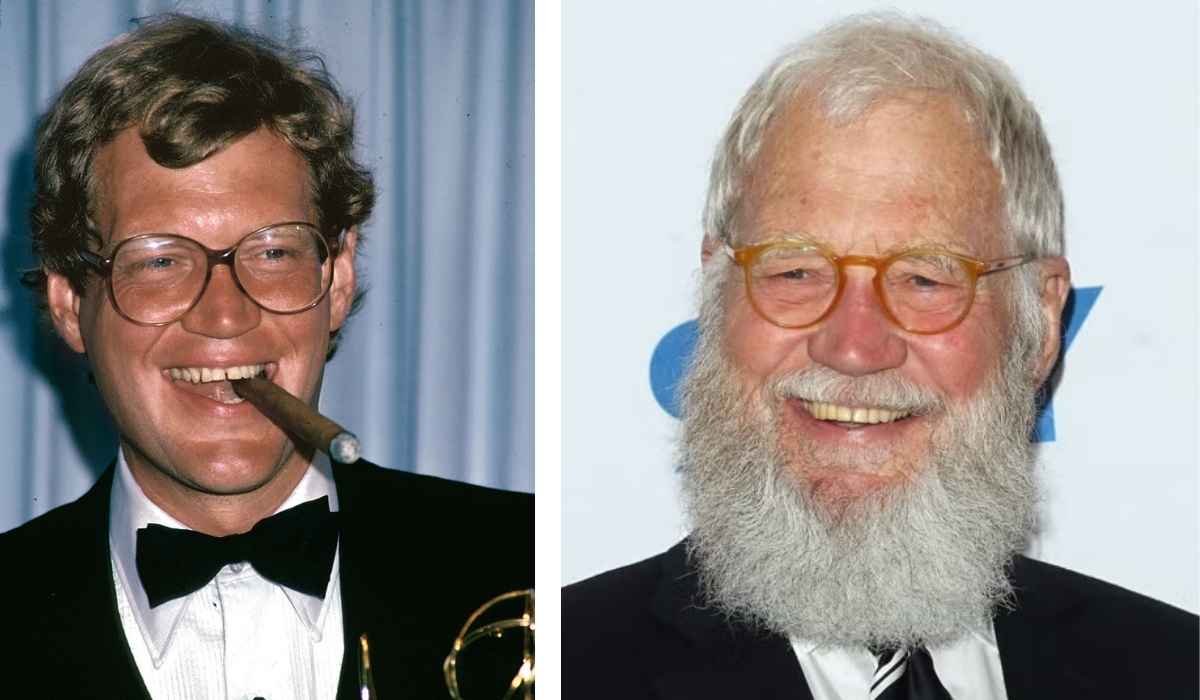
Retirement proved short-lived as the digital age offered a brand-new platform to conduct long-form, thoughtful conversations without the constraints of nightly network television. Partnering with Netflix, David Letterman launched the acclaimed interview series My Next Guest Needs No Introduction, featuring deep discussions with global leaders and cultural icons. Sporting a distinguished full white beard and casual attire, he brought a relaxed, wise perspective to sit-downs with figures like Barack Obama, Malala Yousafzai, and Volodymyr Zelenskyy. This evolution proved that his legendary curiosity and interviewing prowess remained as sharp and vital as ever in a rapidly changing media world.
Honors, Awards, and Permanent Cultural Legacy
Industry accolades poured in across his legendary career, reflecting a level of peer respect and critical acclaim matched by very few entertainers in history. Accumulating numerous Emmy Awards, Peabody Awards, the prestigious Mark Twain Prize for American Humor, and Kennedy Center Honors, David Letterman cemented elite status. Historians and television critics consistently rank his programs among the greatest achievements in broadcast history, noting how completely he revolutionized audience expectations. His permanent place in cultural history is secure, remembered forever as the brilliant iconoclast who taught television viewers how to laugh at the absurdity of modern life.
Personal Life and Quiet Retirement in Montana
Away from the blinding studio lights and high-pressure network schedules, private life offered a peaceful sanctuary surrounded by nature and family. Married to Regina Lasko and raising his son, David Letterman has spent considerable time enjoying the quiet landscapes of Montana. Known for collecting vintage automobiles, supporting local environmental causes, and embracing a low-profile lifestyle during his time away from cameras, he found balance after decades of intense public scrutiny. This harmonious blend of roaring professional success and grounding personal peace highlights a well-rounded life dedicated to craft, family, and authentic self-expression.
Future Generations and Timeless Broadcasting Impact
Looking back across an extraordinary life in media, the cultural footprint left by this midwestern broadcasting titan continues to expand with every passing year. Educational institutions, comedy archives, and digital streaming platforms ensure that new audiences discover the groundbreaking humor of David Letterman on a daily basis. His refusal to compromise his comedic vision transformed late-night television from a predictable corporate product into a wild canvas for artistic experimentation and authentic human connection. Ultimately, his timeless body of work remains an essential milestone in the history of human entertainment.
FAQs
- When was David Letterman born?
-
- Answer: David Letterman was born on April 12, 1947.
-
- How many total episodes did David Letterman host?
-
- Answer: He hosted a total of 6,080 episodes across Late Night and Late Show.
-
- What was the name of his production company?
-
- Answer: His production company was called Worldwide Pants Incorporated.
-
- What streaming show does he currently host?
-
- Answer: He hosts the Netflix interview series My Next Guest Needs No Introduction.
-
- Which network did he move to in 1993?
-
- Answer: He moved from NBC to CBS to launch the Late Show.
-