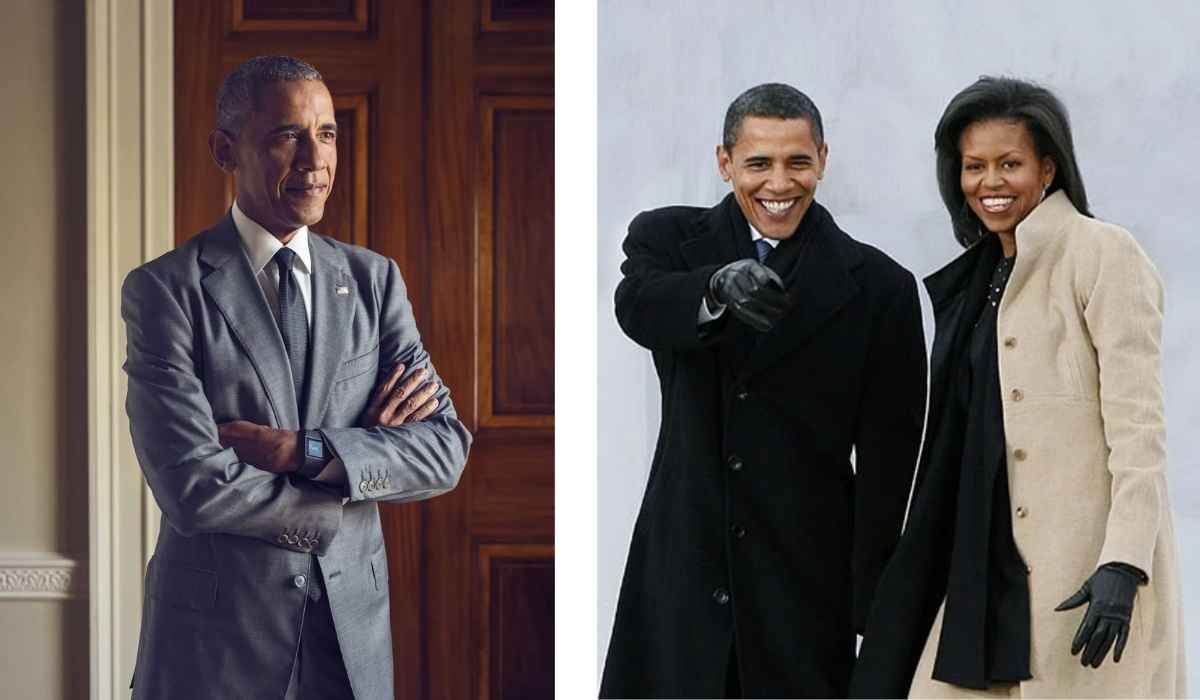
The political emergence of Barack Obama captured global attention as he ascended to become the forty-fourth president of the United States. Born in Honolulu, Hawaii, his early life was shaped by a unique blend of multicultural experiences spanning from Indonesia to the American Midwest. After completing his education at Columbia University and Harvard Law School, he dedicated his early professional years to grassroots community organizing on the South Side of Chicago. This commitment to public service eventually paved the way for his election to the Illinois State Senate and later the United States Senate. Throughout his historic political career, Barack Obama consistently championed themes of hope, unity, and pragmatic change across a deeply divided nation.
Quick Bio
| Attribute | Detail |
| Full Name | Barack Hussein Obama II |
| Date of Birth | August 4, 1961 |
| Place of Birth | Honolulu, Hawaii |
| Spouse | Michelle Obama |
| Political Party | Democratic Party |
Early Life Origins and Childhood Memories
The early years of Barack Obama were characterized by frequent relocations and diverse cultural exposures that profoundly shaped his worldview. Growing up between Hawaii and Indonesia allowed him to experience different societies from a very young age. His mother, Ann Dunham, instilled in him a deep appreciation for education and global citizenship. These formative experiences laid the psychological groundwork for his later career in public service and community advocacy. Understanding his roots provides vital context for examining the multifaceted identity of Barack Obama.
Educational Pursuits at Columbia University
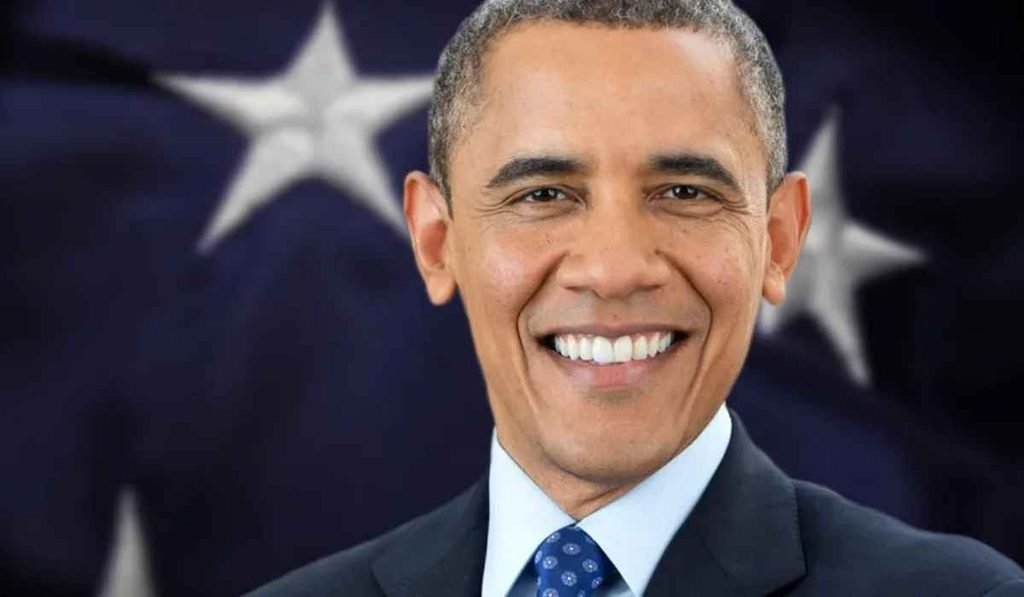
Transitioning to higher education brought Barack Obama to the bustling environment of New York City where he attended Columbia University. During his time there, he immersed himself in political science, international relations, and extensive literature. This academic phase sharpened his analytical skills and deepened his understanding of global socioeconomic structures. Engaging with diverse student groups further expanded his perspective on civic duty and collective responsibility. These intellectual foundations proved indispensable when Barack Obama later stepped into the arena of national politics.
Community Organizing on the South Side
Moving to Chicago marked a defining chapter as Barack Obama embraced the challenging role of a community organizer. Working closely with local churches and residents, he addressed critical issues like housing conditions and job creation in underprivileged neighborhoods. This grassroots immersion taught him firsthand about the systemic challenges facing marginalized urban populations. It also built his deep empathy and strategic capacity to mobilize everyday citizens toward common goals. The lessons learned on these streets remained central to the leadership style of Barack Obama.
Legal Studies and Harvard Law Review

Driven by a desire to effect broader systemic change, Barack Obama enrolled at Harvard Law School to pursue a legal education. His exceptional analytical abilities culminated in his historic election as the first African American president of the prestigious Harvard Law Review. This milestone brought him national academic recognition and opened doors to various professional opportunities. Rather than pursuing corporate wealth, he chose to focus on civil rights law and constitutional education. Such rigorous legal training heavily influenced the administrative policies later enacted by Barack Obama.
Returning to Chicago as an Educator and Attorney
Upon completing his law degree, Barack Obama returned to Chicago to practice civil rights law and teach constitutional law. Educating university students allowed him to foster critical thinking regarding legal frameworks and individual liberties. Simultaneously, his legal work involved fighting for voting rights and protecting marginalized communities from discrimination. This period bridged his community roots with institutional governance, preparing him for public office. Intellectual rigor and legal advocacy defined this professional phase for Barack Obama.
Meeting Michelle and Building a Family
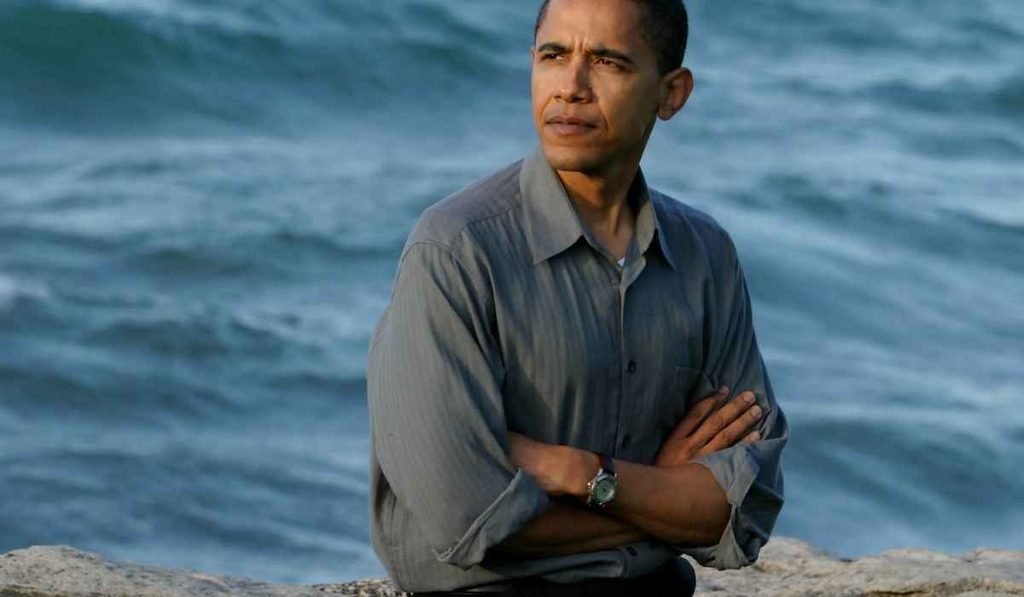
Personal fulfillment arrived when Barack Obama met Michelle Robinson at a Chicago law firm, leading to their marriage in 1992. Together, they built a strong family foundation while welcoming their two daughters, Malia and Sasha. Michelle became an essential partner, balancing professional ambitions with family life during their intense political journey. Their partnership symbolized modern American family values and resilience under public scrutiny. Family support remained a constant anchor throughout the demanding career of Barack Obama.
Entering the Illinois State Senate
Transitioning into electoral politics, Barack Obama successfully ran for the Illinois State Senate representing the thirteenth district. During his tenure, he worked across party lines to reform ethics laws, expand healthcare access, and revise criminal justice procedures. His ability to build consensus earned him respect among both Democratic and Republican colleagues. These legislative years provided practical experience in governance and legislative negotiation. State-level achievements established a solid platform for the future ambitions of Barack Obama.
The 2004 Democratic National Convention Speech
A defining national breakthrough occurred when Barack Obama delivered the keynote address at the 2004 Democratic National Convention. His eloquent speech emphasizing national unity over partisan division resonated deeply with television audiences across America. Articulating a vision of a single, unified nation, he instantly transformed from a local legislator into a national political star. This address showcased his unique oratorical gift and ability to inspire diverse voter blocks. Public enthusiasm following this speech propelled the rising profile of Barack Obama.
Election to the United States Senate
Capitalizing on his growing popularity, Barack Obama won election to the United States Senate representing Illinois in 2004. As a federal senator, he focused on bipartisan initiatives concerning nuclear non-proliferation, government transparency, and veterans’ affairs. Even while managing federal legislative duties, he began laying the groundwork for a historic presidential campaign. His time in Washington allowed him to build vital foreign policy and national security knowledge. Federal legislative experience proved crucial for the executive readiness of Barack Obama.
Launching the Historic 2008 Presidential Campaign
Announcing his candidacy for the presidency in early 2007, Barack Obama built an innovative grassroots campaign centered around hope and change. Overcoming a fiercely contested primary battle, he secured the Democratic nomination against formidable opponents. His campaign utilized modern digital organizing techniques and small-donor fundraising to mobilize millions of volunteers. By connecting directly with ordinary citizens, he energized a broad coalition of young people, minorities, and traditional Democrats. Historic momentum surrounded every step of the campaign led by Barack Obama.
Achieving Victory as the Forty-Fourth President
Winning the November 2008 election, Barack Obama made history as the first African American to be elected President of the United States. His emotional victory speech in Grant Park drew millions of celebratory supporters from across the globe. He inherited a country facing its worst economic downturn since the Great Depression alongside two ongoing foreign wars. Despite these daunting headwinds, he entered office with a mandate for transformative reform and national renewal. High expectations accompanied the historic inauguration of Barack Obama.
Navigating the Great Recession and Economic Recovery
Taking swift action upon taking office, Barack Obama signed the American Recovery and Reinvestment Act to rescue the failing economy. This substantial stimulus package saved millions of jobs, supported infrastructure projects, and stabilized the financial sector. Additional reforms, such as the Dodd-Frank Wall Street regulations, were introduced to prevent future predatory lending and market crashes. While economic recovery was gradual, these interventions successfully averted a total depression. Fiscal stabilization remained a core priority throughout the first term of Barack Obama.
Passing the Affordable Care Act
Securing landmark healthcare reform through the passage of the Affordable Care Act marked a major domestic policy achievement. Popularly known as Obamacare, the legislation extended health insurance coverage to tens of millions of previously uninsured Americans. It also introduced critical consumer protections, such as banning insurance companies from denying coverage for pre-existing conditions. Despite intense political opposition and legal challenges, the law fundamentally transformed the American healthcare landscape. Healthcare expansion stands as a permanent legislative legacy for Barack Obama.
Directing Foreign Policy and National Security
In the realm of international relations, Barack Obama worked to reset diplomatic relationships and wind down lengthy military engagements. He authorized the high-stakes military operation that resulted in the death of terrorist leader Osama bin Laden. Additionally, his administration negotiated the Iran nuclear agreement and normalized diplomatic ties with Cuba after decades of isolation. While navigating complex conflicts in the Middle East, he prioritized multilateral diplomacy and strategic coalition-building. Global diplomacy required careful navigation and resolve from Barack Obama.
Environmental Protection and Climate Action
Recognizing the urgent threat of global warming, Barack Obama placed heavy emphasis on environmental conservation and clean energy. His administration implemented stricter carbon emission limits on power plants and invested heavily in renewable energy infrastructure. Crucially, he played a vital role in forging the historic Paris Climate Agreement to unite nations against rising global temperatures. These proactive measures demonstrated a long-term commitment to ecological sustainability for future generations. Environmental stewardship became a defining pillar of the second term of Barack Obama.
Social Justice and Civil Rights Advancements
Advocating for equality across American society, Barack Obama supported policies promoting civil rights, LGBT inclusion, and gender pay fairness. His administration successfully ended the military’s discriminatory “Don’t Ask, Don’t Tell” policy, allowing gay soldiers to serve openly. He also publicly endorsed marriage equality, aligning federal policy with evolving constitutional rights. Throughout social movements, he utilized his platform to address systemic biases and encourage national dialogue. Civil liberties protection remained a vital component of the worldview of Barack Obama.
Transitioning into an Active Post-Presidency
Leaving office in January 2017, Barack Obama transitioned into a dynamic post-presidential phase focused on civic leadership. Through the Obama Foundation, he and Michelle focused on training and empowering the next generation of global change-makers. He also remained active in public discourse, campaigning for democratic values and writing best-selling memoirs like A Promised Land. His post-presidential initiatives continue to foster community engagement and leadership development worldwide. Mentoring young leaders remains a central mission for Barack Obama.
Cultural Impact and Global Political Iconography
Beyond politics, the cultural footprint of Barack Obama extends deeply into global media, literature, and popular discourse. As a symbol of racial progress and modern intellectualism, his image inspired millions of individuals across various continents. His reflective memoirs offered candid insights into the psychological burdens and triumphs of high-level leadership. This unique blend of cultural relevance and political history cemented his status as a permanent global icon. Public fascination persists regarding the enduring legacy of Barack Obama.
Literary Works and Memoirs
Documenting his extraordinary life journey, Barack Obama authored several critically acclaimed books that topped global bestseller lists. Works such as Dreams from My Father and The Audacity of Hope explored themes of identity, race, and American political philosophy. His detailed presidential memoir offered readers an unprecedented window into the complexities of executive decision-making. Through eloquent prose and introspective storytelling, he shared personal vulnerabilities alongside political triumphs. Writing served as a profound avenue of expression for Barack Obama.
Summary of Historical Legacy and Recognition
Assessing the overall impact of Barack Obama reveals a transformative presidency marked by economic rescue, healthcare expansion, and social modernization. While facing fierce political opposition and complex geopolitical challenges, his administration reshaped multiple facets of American life. Honored with accolades such as the Nobel Peace Prize, his influence transcends traditional partisan boundaries. Historians continue to study his governance model for insights into modern leadership under pressure. Future generations will undoubtedly look back at the era defined by Barack Obama with deep historical interest.
FAQs
- When was Barack Obama born?
- Barack Obama was born on August 4, 1961.
- What was his major legislative achievement?
- The Affordable Care Act stands as his most significant domestic legislative achievement.
- How many terms did he serve as president?
- He served two full terms in office from 2009 to 2017.
- Where did he attend law school?
- He graduated from Harvard Law School.
- What is the name of his presidential foundation?
- The organization is known as the Obama Foundation.