
The cinematic world has seen few figures as enduring, versatile, and universally beloved as Michael Caine, whose incredible career spans over seven decades. Born Maurice Joseph Micklewhite in London, this iconic English actor transformed himself from modest beginnings into a global cultural treasure. Known everywhere for his distinctive Cockney accent and effortless charm, he redefined what it meant to be a leading man. Throughout his extensive filmography featuring more than 130 films, he effortlessly transitioned between gritty dramas, pulse-pounding action thrillers, and lighthearted comedies. His influence on modern cinema remains profound, inspiring generations of aspiring performers across the globe. Today, examining his monumental legacy offers deep insight into the golden age of British and international filmmaking.
Quick Bio
| Attribute | Detail |
| Birth Name | Maurice Joseph Micklewhite Jr. |
| Stage Name | Michael Caine |
| Date of Birth | March 14, 1933 |
| Place of Birth | Rotherhithe, London, England |
| Occupation | Actor, Producer, Author |
| Years Active | 1950–2023 |
| Spouses | Patricia Haines (m. 1955–1962), Shakira Baksh (m. 1973) |
| Notable Awards | Two Academy Awards, Three Golden Globes, BAFTA Award |
Early Beginnings and Childhood Roots
Growing up in South London during the tumultuous years of the Second World War shaped the resilience that Michael Caine would later bring to his diverse cinematic performances. Evacuated from the capital to rural areas as a young boy, he discovered an early passion for storytelling and school theatrical productions. His father worked as a fish market porter, while his mother earned a living as a cook and charwoman, instilling strong working-class values. These humble roots profoundly influenced his worldview and artistic sensibilities, keeping him grounded even after achieving international superstardom.
Long before lights, cameras, and Hollywood directors beckoned, young Maurice navigated the challenges of post-depression London with characteristic wit, quiet determination, and an observant eye for human nature. Every hardship he faced during these formative years quietly contributed to the remarkable depth, emotional resonance, and authenticity that would eventually define his unforgettable screen presence.
Entering the World of Acting

Military service with the British Army, including active duty during the Korean War, preceded his official entry into the professional entertainment industry. Adopting early stage names before settling permanently on Michael Caine, he spent years paying his dues in regional repertory theaters and taking uncredited bit parts in low-budget British films. This rigorous stage training refined his craft, teaching him the invaluable nuances of vocal delivery, timing, and emotional authenticity. Working through lean financial periods only deepened his hunger for success, ensuring that when a major career break finally materialized,
he was more than ready to seize it with absolute confidence, professional discipline, and remarkable composure under pressure. Through relentless dedication on stage and screen, Michael Caine steadily built the unshakeable foundation that transformed an ambitious working-class youth into an absolute cinematic icon.
Breakthrough Success in the Sixties
Stardom finally arrived during the swinging nineteen-sixties when Michael Caine captured the cultural zeitgeist with a string of unforgettable breakthrough performances. His mesmerizing portrayal of a cynical, ambitious working-class ladies’ man in the classic film Alfie earned him widespread international acclaim and his very first Academy Award nomination. At the same time, his iconic interpretation of intelligent, sharp-witted secret agent Harry Palmer in The Ipcress File offered a gritty, intellectual alternative to traditional spy tropes.
Wearing his trademark horn-rimmed glasses and sharp tailored suits, he quickly became a defining style icon of the decade, effortlessly blending working-class charm with sophisticated cinematic coolness on screen. Throughout this pivotal decade, Michael Caine proved that authentic talent could shatter traditional class barriers, forever altering the landscape of modern British cinema.
Expanding Horizons Throughout the Seventies
The nineteen-seventies challenged Michael Caine to stretch his acting boundaries further through a diverse array of complex, morally ambiguous, and highly demanding character studies. His chilling performance as a vengeful Newcastle gangster seeking retribution in the gritty crime classic Get Carter cemented his reputation as an unforgiving screen powerhouse. He also delivered masterclasses in tension alongside legendary co-stars in epic adventure tales like The Man Who Would Be King and intricate psychological cat-and-mouse games like Sleuth.
By continually refusing to be typecast into a single genre, Michael Caine demonstrated extraordinary professional longevity, easily outlasting many of his contemporaries and proving that his remarkable talent transcended mere youthful charisma or passing cinematic trends. His artistic fearlessness during this decade cemented his enduring reputation as a truly fearless master of his craft.
Navigating the Eighties and Nineties
Navigating the shifting cinematic landscapes of the nineteen-eighties and nineties required immense adaptability, a challenge that Michael Caine met with characteristic grace and professional wisdom. Although some projects during this era met with mixed commercial success, his powerhouse performances in films like Educating Rita and Dirty Rotten Scoundrels showcased his peerless comedic timing and dramatic depth.
He seamlessly transitioned from brooding dramatic leads to sophisticated elder statesmen of the screen, effortlessly stealing scenes alongside a fresh wave of younger Hollywood talent. This transitional period proved crucial in bridging the gap between his classic leading-man era and his celebrated late-career renaissance. Through every creative shift, Michael Caine retained his unique cinematic authority, ensuring his ongoing relevance in an industry known for rapidly discarding yesterday’s biggest stars.
Achieving Academy Award Recognition

Critical validation reached its pinnacle when Michael Caine transitioned from a popular box-office draw into a multi-award-winning cinematic heavyweight admired by peers worldwide. He captured his first Academy Award for Best Supporting Actor through his brilliant work in Woody Allen’s sophisticated dramedy Hannah and Her Sisters. Years later, he secured a second Academy Award in the exact same category for his deeply touching portrayal of the compassionate orphanage director Dr. Wilbur Larch in The Cider House Rules.
These prestigious accolades validated decades of relentless hard work, confirming that Michael Caine possessed the rare ability to elevate every single script, character, and scene partner he ever shared screen time with. His unmatched professionalism and emotional precision made him a shining example of cinematic excellence across generations of filmmakers.
Embracing Versatile Character Roles
As decades progressed, Michael Caine gracefully transitioned into playing seasoned mentors, eccentric authority figures, and memorable comedic foils with trademark self-awareness. His hilarious turn as the posh British secret agent’s father in Austin Powers in Goldmember showcased a brilliant flair for self-parody that delighted younger audiences. Similarly, his memorable performances in family-friendly classics like The Muppet Christmas Carol and crowd-pleasing comedies like Miss Congeniality proved his remarkable versatility across generations of cinema-goers.
Michael Caine always approached these varied character roles with absolute professionalism, treating comedic blockbusters with the exact same high level of artistic dedication and commitment that he brought to prestigious historical dramas. This willingness to embrace lighthearted entertainment kept him continually relevant and deeply beloved by fans of all ages worldwide.
Collaborating with Christopher Nolan
A defining late-career renaissance occurred when visionary filmmaker Christopher Nolan invited Michael Caine to join an incredible sequence of blockbuster cinematic masterpieces. Serving as the emotional anchor and loyal surrogate father figure Alfred Pennyworth in The Dark Knight trilogy, Michael Caine introduced his timeless gravitas to a massive new generation of fans. He went on to collaborate with Nolan on numerous other mind-bending projects, including The Prestige, Inception, Interstellar, and Tenet.
These recurring roles established him as Nolan’s ultimate lucky charm, with the director frequently citing Michael Caine as a profound personal inspiration, a master craftsman, and an absolute cornerstone of his cinematic storytelling process. Their enduring creative partnership remains one of the most remarkable director-actor relationships in modern cinematic history.
Exploring Authorship and Personal Life
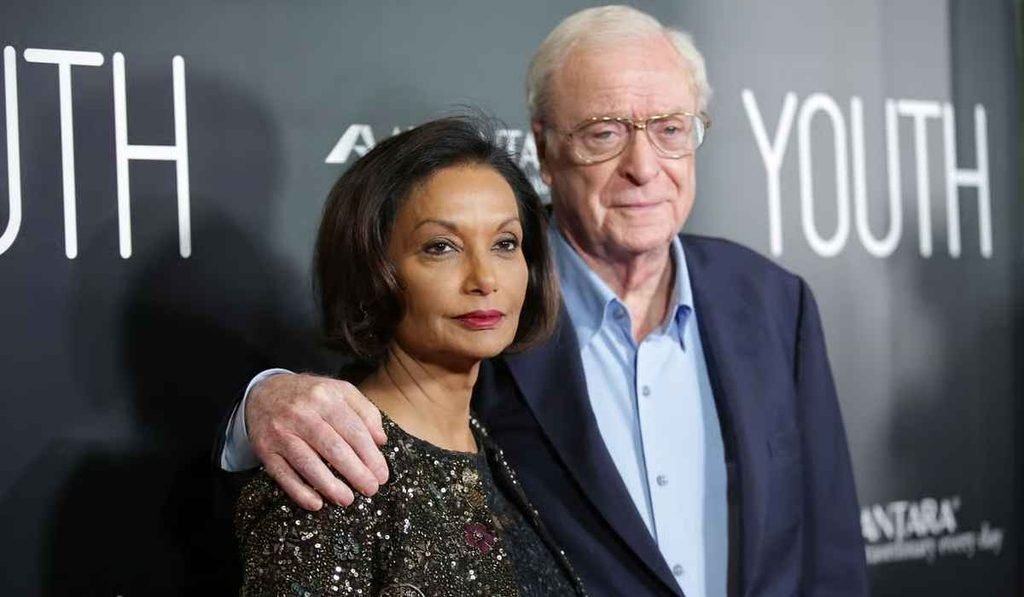
Beyond his extensive cinematic achievements, Michael Caine built a rich, fulfilling personal life and established a respected secondary career as a published author. His marriage to actress and model Shakira Baksh in nineteen-seventy-three brought deep stability and enduring happiness, remaining a true cornerstone of his personal world. He penned several best-selling memoirs, including The Elephant to Hollywood, sharing witty anecdotes, behind-the-scenes Hollywood tales, and invaluable acting advice with infectious humor.
His transition from the bustling streets of London to peaceful family life never diminished his fierce connection to his fans, who have always embraced Michael Caine for his refreshing honesty, humility, and grounded perspective on fame. Balancing family devotion with professional triumph allowed him to navigate stardom with remarkable grace, dignity, and inner peace.
Retiring from a Legendary Career
After gracing movie screens for over half a century, Michael Caine officially announced his retirement from acting following the release of his final emotional drama film, The Great Escaper. Closing the chapter on an unprecedented professional journey, he expressed deep gratitude for a life filled with incredible characters, lifelong friendships, and universal acclaim. His decision to step back allowed him to enjoy a well-earned retirement surrounded by family, looking back on a body of work that few actors could ever hope to replicate.
Even in retirement, the legacy of Michael Caine remains permanently etched into the cultural history of global entertainment, continuing to inspire awe, respect, and deep admiration from film lovers everywhere. His departure marked the gentle close of a golden cinematic chapter, leaving behind a timeless treasury of unforgettable performances.
Frequently Asked Questions
- What is the real birth name of Michael Caine?
- Answer: He was born Maurice Joseph Micklewhite Jr. before adopting his famous stage name.
- How many Academy Awards has Michael Caine won?
- Answer: He has won two Academy Awards for Best Supporting Actor during his storied career.
- What was his breakthrough movie role?
- Answer: He gained international stardom through his iconic title role in the 1966 film Alfie.
- Which famous trilogy featured Michael Caine as Alfred Pennyworth?
- Answer: He portrayed Batman’s loyal butler in Christopher Nolan’s acclaimed Dark Knight Trilogy.
- When did Michael Caine officially retire from acting?
- Answer: He announced his retirement following the release of his final film, The Great Escaper, in 2023.