
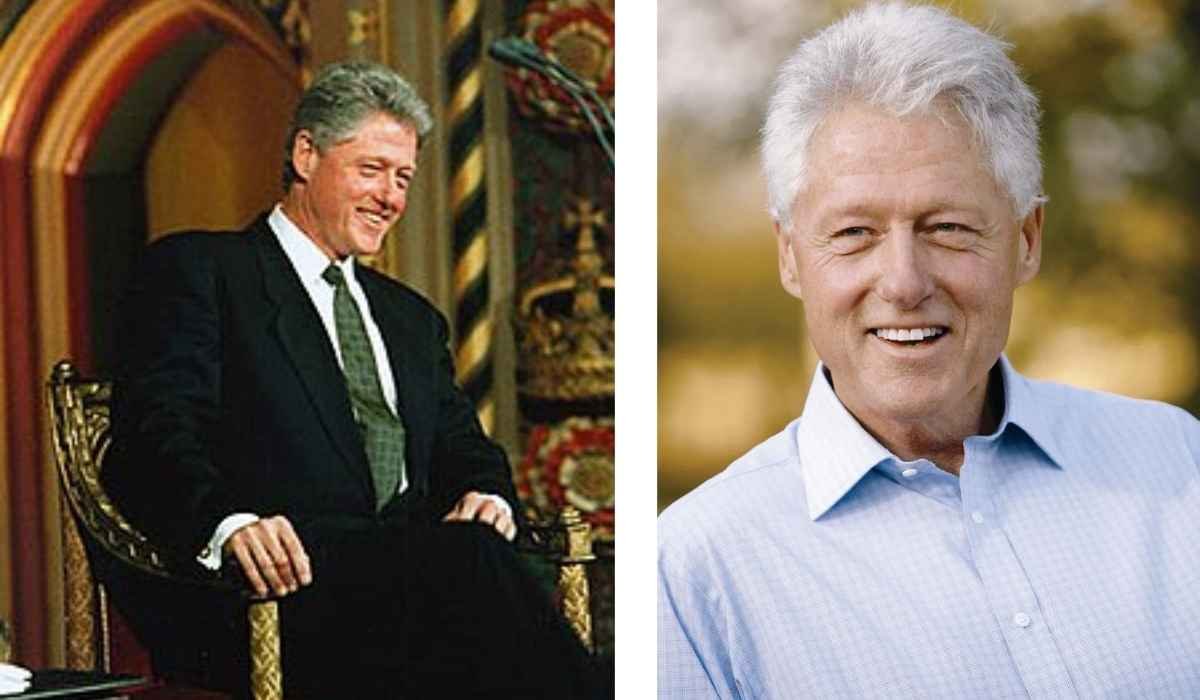
The political landscape of the late twentieth century was profoundly shaped by figures who emerged from modest beginnings to command global attention, and few captured this dynamic better than Bill Clinton. Rising from a small town in Arkansas to the highest office in the United States, his journey encapsulates ambition, exceptional political talent, and historic policy shifts. As the forty-second president, he steered the nation through a period marked by unprecedented economic growth and technological innovation, forever altering how modern governance operated. Exploring his life requires examining the many facets of his career.
Quick Bio Overview of the Forty Second President
| Attribute | Detail |
| Full Name | William Jefferson Clinton |
| Date of Birth | August 19, 1946 |
| Birthplace | Hope, Arkansas |
| Spouse | Hillary Rodham |
| Political Party | Democratic |
| Presidency Term | 1993–2001 |
Early Origins and Childhood in Hope Arkansas
Growing up in the American South during the post-war era instilled a deep sense of resilience within young Bill Clinton. Born just months after his biological father passed away in an unfortunate accident, he spent his formative years navigating a complex family environment. Relatives provided crucial support during his early years while his mother pursued specialized training. These foundational experiences shaped his empathetic communication style and exceptional interpersonal skills that would later define his entire political trajectory.
Moving to Hot Springs and Educational Ambitions
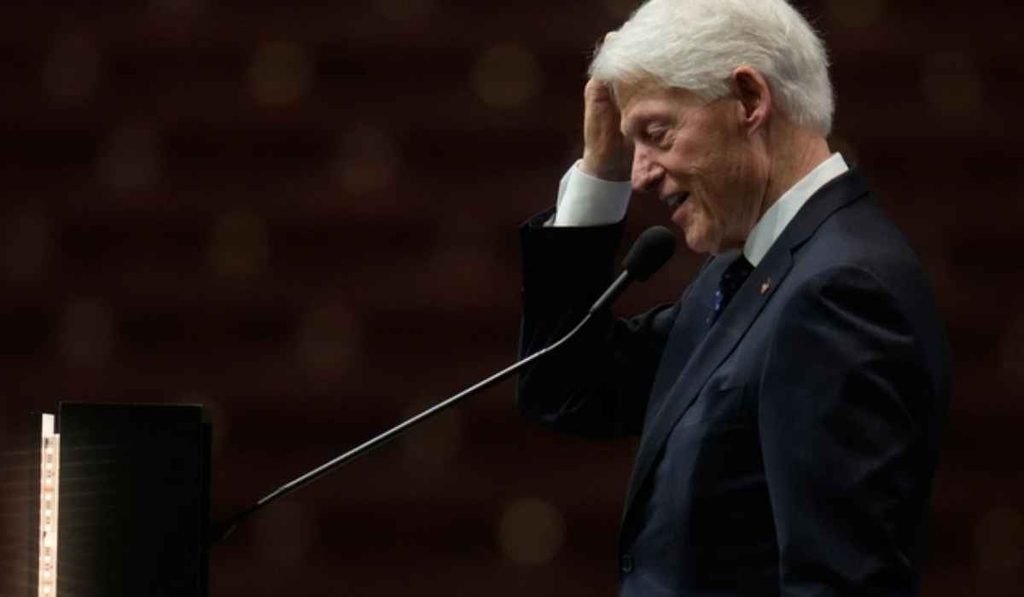
Relocating to Hot Springs brought new challenges and opportunities for a young Bill Clinton as he pursued academic excellence. He threw himself into school activities, joining musical ensembles and student government associations where his natural leadership abilities quickly emerged. Meeting political idols during his youth cemented an early ambition to pursue public service. This burning desire pushed him to excel academically, securing paths toward prestigious institutions that would open doors to national networks and lifelong political alliances.
Georgetown University and Washington D.C. Experiences
Entering the academic halls of Georgetown University exposed Bill Clinton to the vibrant heartbeat of national politics in Washington. Balancing rigorous coursework in international affairs with practical congressional staff work provided him with an invaluable insider perspective on government operations. He learned how legislative machinery functioned while building relationships with mentors who recognized his sharp intellect. These college years served as an essential testing ground where his public speaking prowess and policy curiosity blossomed into professional maturity.
Oxford University Years as a Rhodes Scholar
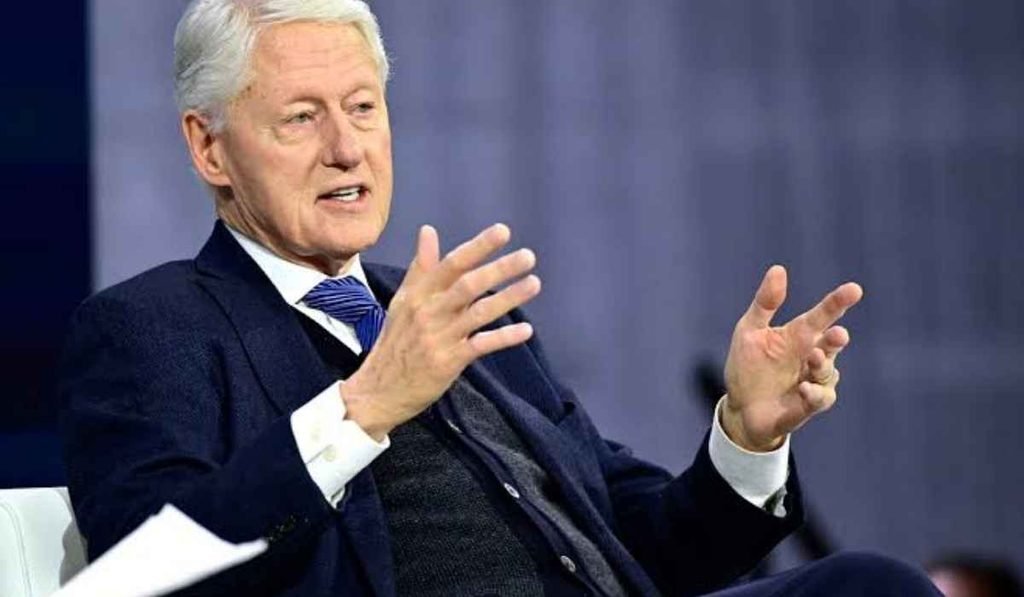
Winning a prestigious Rhodes Scholarship allowed Bill Clinton to expand his worldview through rigorous study at Oxford University. Immersed in an international academic community, he engaged in deep philosophical and political debates that challenged his perspectives. Although his time abroad was brief, the intellectual rigor refined his analytical thinking and strategic vision. Returning stateside, he carried a broader international awareness that would heavily influence his later foreign policy decisions as chief executive of the nation.
Yale Law School and Meeting Future Partners
Pursuing a legal education at Yale Law School introduced Bill Clinton to critical legal frameworks and his future life partner. Law school classrooms fostered intense debates over civil rights, constitutional law, and public administration. More importantly, an encounter with a brilliant fellow student named Hillary Rodham formed a partnership that would weather intense public scrutiny and guide decades of political campaigns. Their shared passion for legal advocacy and social justice laid the groundwork for their joint public careers.
Returning to Arkansas to Teach Law

Moving back to his home state enabled Bill Clinton to share his knowledge by teaching law at the University of Arkansas. Standing before university students required him to articulate complex legal principles clearly, sharpening his persuasive communication skills. Yet, academic life could not fully contain his growing ambition to enact systemic change from within government halls. He balanced his classroom responsibilities with grassroots political organizing, keeping a close eye on upcoming electoral opportunities across the state.
First Congressional Campaign and Early Lessons
Stepping into the electoral arena for the first time, Bill Clinton launched a fierce campaign for a congressional seat. Facing a well-established incumbent, he traveled across rural counties, listening to ordinary citizens and refining his campaign message. Although the race ended in a narrow defeat, the experience offered priceless lessons in voter outreach and campaign strategy. He discovered that personal connection mattered immensely in politics, a realization that fueled his determination to try again.
Ascent to Arkansas Attorney General
Winning election as the state attorney general marked a major turning point for a young Bill Clinton. Stepping into this prominent statewide role allowed him to advocate directly for consumer protection and environmental safeguards. He utilized the office to challenge corporate monopolies and defend everyday citizens, earning a reputation as an energetic reformer. This position served as an ideal launchpad, proving to voters that he possessed the administrative competence required for even higher executive responsibilities.
Becoming the Youngest Governor in America
Securing the governorship made Bill Clinton the youngest state chief executive in the nation at that time. Entering office with immense enthusiasm, he pushed for ambitious infrastructure projects and educational overhauls. However, initial missteps and tax adjustments led to a temporary electoral setback when voters rejected his re-election bid. Rather than retreating, he listened closely to public grievances, apologized for rushing reforms, and staged a remarkable political comeback two years later.
Transformative Years Leading Arkansas Governance
Returning to the governor’s mansion allowed Bill Clinton to redeem his vision through careful coalition-building and pragmatic governance. Over multiple subsequent terms, he focused heavily on raising educational standards, boosting teacher pay, and attracting industrial investments. His success in bridging traditional party divides caught the attention of national political strategists. By branding himself as a centrist reformer, he positioned himself perfectly to launch a credible bid for the presidency.
The Historic Presidential Campaign of Nineteen Ninety Two
Launching a national campaign against an incumbent president required extraordinary discipline and a laser-like focus on economic concerns. Bill Clinton traversed the country hosting town hall meetings, addressing everyday financial anxieties directly with empathy and detail. Overcoming primary hurdles and weathering intense media scrutiny, he crafted a New Democrat coalition that appealed to middle-class voters. His victory over George H.W. Bush and Ross Perot signaled a generational shift in American leadership.
Navigating the First Presidential Term
Stepping into the White House presented Bill Clinton with fierce legislative battles and complex domestic policy challenges. His early administration faced hurdles, including a failed healthcare reform initiative that prompted a strategic political reassessment. Adapting to a newly divided Congress, he pivoted toward deficit reduction, welfare restructuring, and targeted crime legislation. These pragmatic compromises helped stabilize the federal budget and laid the groundwork for robust national economic expansion.
Achieving Historic Reelection in Nineteen Ninety Six
Securing a second term made Bill Clinton the first Democratic president to achieve this feat since Franklin Delano Roosevelt. Capitalizing on a booming economy and a mood of relative national stability, his campaign resonated with voters desiring continued moderation. The administration successfully turned massive federal deficits into a historic budget surplus while enacting popular measures like family leave acts. His ability to navigate partisan gridlock reinforced his reputation as a master political tactician.
Foreign Policy Diplomacy and Global Interventions
Directing international relations tested Bill Clinton through complex global crises spanning from the Balkans to the Middle East. He advocated for expanded global trade agreements and utilized American military power alongside NATO allies to halt ethnic cleansing in Bosnia and Kosovo. Furthermore, his administration sponsored peace frameworks aimed at resolving historic conflicts abroad. While critics debated specific military interventions, his foreign policy generally emphasized multilateral cooperation and economic integration worldwide.
Overcoming Impeachment and Political Scrutiny
Facing intense personal scandals during his second term, Bill Clinton confronted an unprecedented congressional impeachment inquiry. The House of Representatives brought charges related to personal conduct, leading to a high-stakes trial within the United States Senate. Ultimately, senators voted to acquit him, allowing him to finish his remaining time in office. Despite the intense political turmoil, he maintained remarkably high public approval ratings as citizens separated his personal controversies from his official governance.
Leaving Office with High Public Approval
Concluding his presidential tenure, Bill Clinton departed the White House holding some of the highest approval ratings recorded for any modern departing executive. He left behind a nation enjoying a historic peacetime economic boom, low unemployment rates, and a balanced federal budget. Reflecting on his eight years in power, supporters celebrated his adaptive policy approaches, while detractors pointed to lingering institutional controversies. Either way, his legacy remained deeply woven into the fabric of contemporary American history.
Establishing the Global Clinton Foundation
Transitioning into post-presidential life, Bill Clinton established a massive philanthropic organization dedicated to worldwide humanitarian aid. The foundation tackled systemic issues such as affordable HIV/AIDS drug acquisition, combating childhood obesity, and fostering sustainable economic development in impoverished regions. By mobilizing global leaders and private resources, the initiative transformed millions of lives across developing nations. This philanthropic work redefined how former leaders could leverage their influence for humanitarian relief.
Disaster Relief Efforts and International Diplomacy
Collaborating frequently with other former commanders-in-chief, Bill Clinton spearheaded major international disaster relief responses. Whether raising funds following the devastating South Asian tsunami, Hurricane Katrina, or the catastrophic Haitian earthquake, he remained an active global ambassador. Appointed as a special envoy, he traveled extensively to coordinate long-term recovery projects. These ongoing humanitarian missions solidified his status as an energetic global statesman long after his official governmental duties ended.
Enduring Historical Legacy and Modern Influence
Reflecting upon the decades, the historical footprint of Bill Clinton remains a subject of intense analysis among political scientists and historians. He reshaped the Democratic Party through centrist policies while presiding over an era of immense technological and financial prosperity. Although personal controversies occasionally overshadowed his policy achievements, his political brilliance and charismatic public engagement continue to influence modern political strategies. His journey remains a textbook example of American political resilience.
- What was the exact birth date of Bill Clinton?
- He was born on August 19, 1946.
- In which state did he serve as governor prior to his presidency?
- He served as the governor of Arkansas.
- Which university did he attend for his legal education?
- He graduated from Yale Law School.
- What major philanthropic organization did he establish after leaving office?
- He founded the Clinton Foundation to drive global humanitarian initiatives.
- Which number president of the United States was he?
- He served as the 42nd president of the United States.