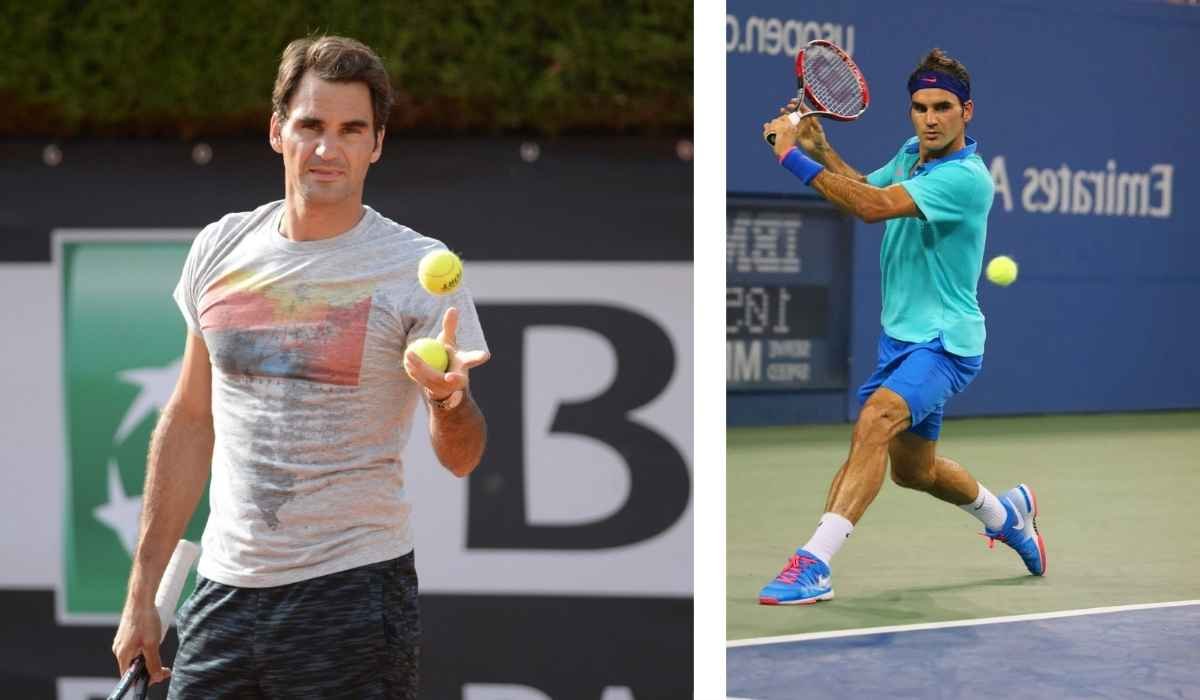
Roger Federer stands globally as a legendary icon whose effortless style, elegance, and competitive spirit completely redefined modern tennis. Born in Basel, Switzerland, on August 8, 1981, he captured the hearts of millions with his graceful one-handed backhand and unmatched sportsmanship on the court. Throughout an illustrious career that spanned over two decades, he secured numerous prestigious championship titles, inspiring generations of athletes worldwide. Beyond his staggering record of twenty Grand Slam victories, his impact resonated deeply through his gracious demeanor, charitable foundation work, and exemplary dedication to the sport he masterfully shaped.
Quick Bio
| Attribute | Detail |
| Full Name | Roger Federer |
| Birth Date | August 8, 1981 |
| Birthplace | Basel, Switzerland |
| Profession | Professional Tennis Player (Retired) |
| Grand Slam Titles | 20 |
| Spouse | Mirka Vavrinec |
Early Childhood and Growing Up in Basel
Growing up in the picturesque surroundings of Basel, Switzerland, Roger Federer displayed an early and intense passion for various ball sports, including soccer and badminton. His parents supported his athletic inclinations, yet young Roger soon gravitated toward tennis with absolute devotion after watching professional tournaments on television. He spent countless hours practicing against walls and local club courts, sharpening his hand-eye coordination and natural reflexes. Those formative years laid a solid foundation of discipline, focus, and enthusiasm that would eventually propel him toward international athletic stardom and historic tennis greatness.
Discovering a Deep Passion for Tennis
The transition from a casual junior player to a focused competitor marked a critical turning point during his early adolescence. Roger Federer joined local clubs where professional coaches quickly noticed his fluid stroke production and exceptional court coverage. He decided to concentrate exclusively on tennis by age twelve, dropping other sports to channel all his physical and mental energy into mastering the game. This unwavering commitment allowed him to understand complex tactical patterns early on, transforming raw talent into refined athletic execution that stood out among his peers across national junior circuits.
Rising Through Swiss Junior Circuits
Dominating the junior ranks in Switzerland required immense grit, tactical awareness, and emotional regulation during high-pressure matches. Roger Federer captured the national junior championship title by age fourteen, signaling to talent scouts that a special competitor was emerging from the Swiss training system. He relocated to the Swiss National Tennis Center in Ecublens, where rigorous training sessions challenged his physical endurance and mental fortitude. These intense developmental years helped shape his distinctive playing style, characterized by aggressive baseline play blended seamlessly with sublime net-approaching techniques.
Capturing the Junior Wimbledon Crown
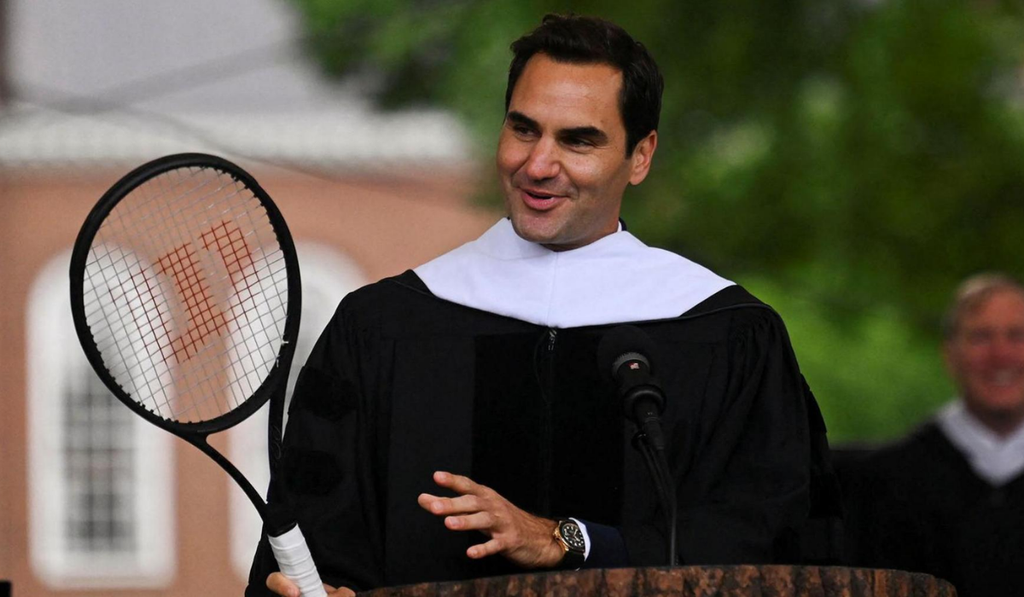
International recognition arrived swiftly when Roger Federer triumphed at the prestigious Wimbledon junior tournament in 1998, showcasing his supreme comfort on grass surfaces. Winning that junior title served as a powerful psychological breakthrough, proving to him and his coaching team that his aspirations of professional dominance were entirely realistic. His ability to maintain composure under intense scrutiny during tight moments of championship matches separated him from other promising youngsters. That milestone achievement opened doors to professional wildcard entries, setting the stage for his official entry into the senior men’s tennis ecosystem.
Stepping Into the Professional Ranks
Transitioning to the Association of Tennis Professionals tour in late 1998 presented steep challenges against seasoned veterans who possessed superior physical strength and tactical maturity. Roger Federer faced early losses that tested his patience, temperament, and emotional control on the court. However, every setback offered valuable lessons regarding match management and mental resilience under duress. He embraced rigorous fitness regimens to build the necessary stamina required for grueling best-of-five-set encounters, steadily climbing the global rankings and earning respect from established tour competitors.
Breakthrough Victory Against Pete Sampras
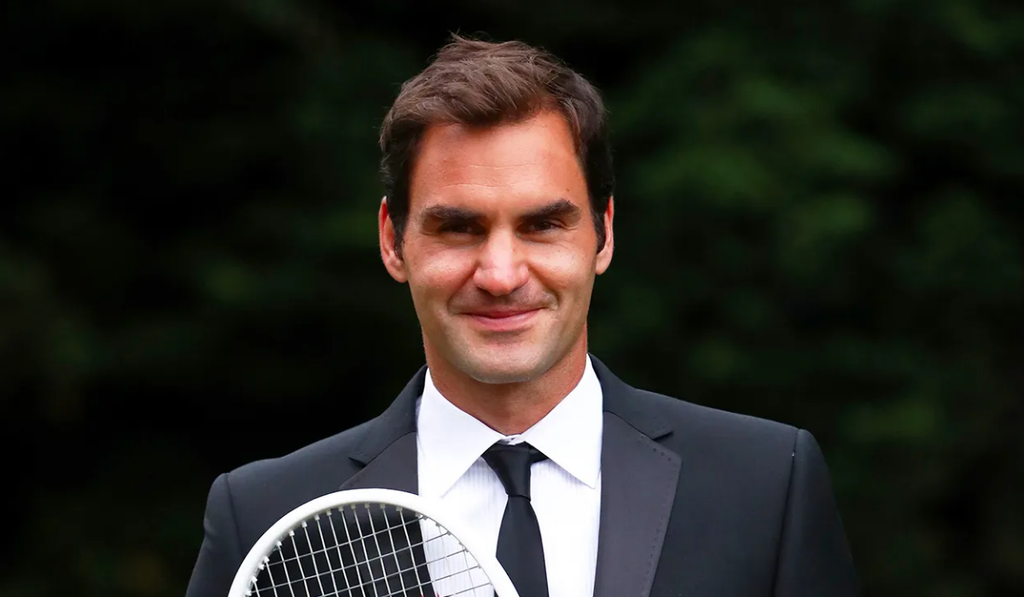
A defining moment in his early professional career occurred at Wimbledon in 2001, when Roger Federer stunned the tennis world by defeating seven-time champion Pete Sampras on Centre Court. That epic five-set thriller symbolized a symbolic passing of the torch from one generation of grass-court masters to the next. The victory validated his immense potential and elevated public expectations regarding his future capability to win major championships. It injected profound confidence into his game, proving that he could execute winning strategies against the absolute titans of the sport on the grandest stages.
Securing the Maiden Grand Slam Title
History was written in 2003 when Roger Federer claimed his first major singles championship at Wimbledon, defeating Mark Philippoussis in a brilliant display of offensive tennis. Fulfilling a childhood dream, he broke down in joyful tears upon securing match point, cementing his status as the first Swiss male player to win a Grand Slam title. That emotional triumph lifted a weight off his shoulders, unleashing an era of supreme confidence. The victory marked the true beginning of his legendary dominance across global tennis arenas and international sporting headlines.
Establishing Era-Defining Tour Dominance
Between 2004 and 2008, Roger Federer constructed one of the most remarkable periods of athletic dominance ever witnessed in professional sports history. He captured multiple major titles each year, securing the world number one ranking and maintaining it for a record 237 consecutive weeks. Opponents struggled to find weaknesses in his versatile arsenal, as his precise serves, devastating forehands, and exquisite touch completely dismantled tactical plans. His sheer consistency across all court surfaces turned tennis tournaments into masterclasses of athletic flow and psychological superiority.
Conquering the French Open Clay
Completing the career Grand Slam required overcoming his formidable nemesis on the challenging clay courts of Roland-Garros in Paris. Roger Federer achieved this crowning milestone in 2009 by capturing the French Open title, thereby joining the elite group of players who have won all four major championships. That victory validated his adaptability on slower surfaces, requiring immense physical endurance and tactical patience during punishing baseline rallies. It silenced critics who argued that his game was restricted exclusively to fast grass and hard courts.
Setting Historic Grand Slam Records
By continuing to refine his game well into his thirties, Roger Federer continually defied conventional aging curves within professional men’s tennis. He surpassed Pete Sampras’s record tally before eventually pushing his own benchmark to a staggering twenty Grand Slam singles titles. Each milestone victory was met with global admiration, as fans celebrated his longevity, tactical intelligence, and unwavering love for competition. His name became permanently etched into record books for numerous categories, including consecutive semifinal appearances and match wins at major events.
Rivalries That Defined a Generation
The competitive landscape of his career was profoundly shaped by epic rivalries with fellow legends Rafael Nadal and Novak Djokovic. These historic encounters produced some of the greatest tennis matches ever played, captivating billions of viewers and elevating the sport’s global popularity to unprecedented heights. While fierce combatants on the court, Roger Federer and his main rivals maintained mutual respect, camaraderie, and sportsmanship that inspired sports fans globally. Their contrasting styles—Federer’s elegance, Nadal’s raw power, and Djokovic’s defensive brilliance—created an unforgettable golden era.
Overcoming Injuries and Surgical Resilience
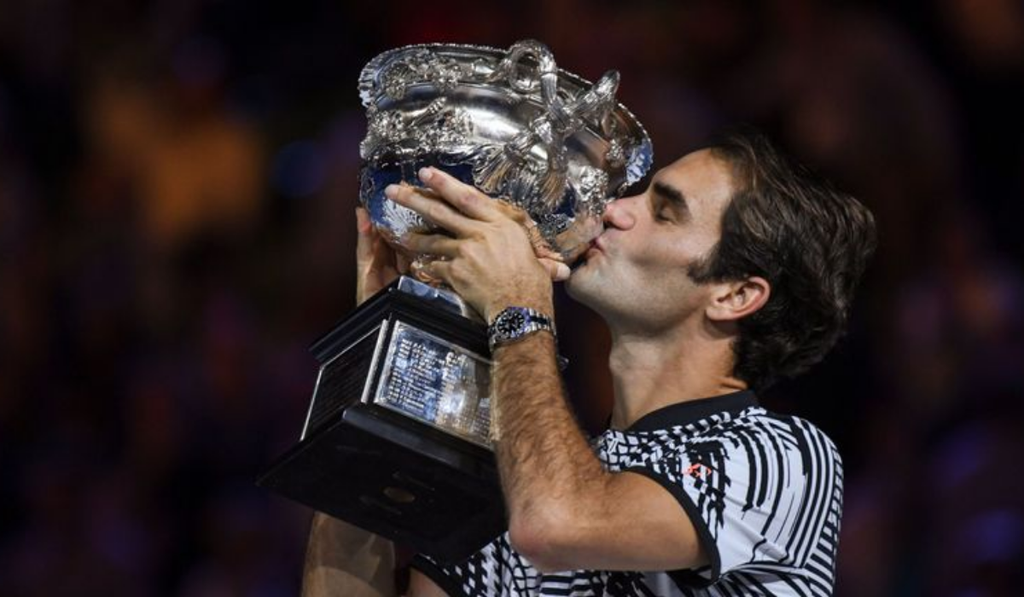
Physical ailments inevitably tested his resolve, particularly as knee and back injuries threatened to derail his later competitive years. Roger Federer demonstrated exceptional mental toughness by undergoing multiple surgeries and undertaking grueling rehabilitation programs to return to top-flight form. His triumphant comeback at the 2017 Australian Open, where he defeated Rafael Nadal in an emotional five-set final, proved that perseverance could conquer physical adversity. Those comeback chapters added profound depth to his legacy, showcasing an athlete driven by pure passion rather than mere statistics.
Master of Grass Court Mastery
While successful across all surfaces, Roger Federer achieved his most iconic successes on the lush green lawns of the All England Club. Capturing a record eight Wimbledon gentleman’s singles titles solidified his identity as the undisputed king of grass-court tennis. His low center of gravity, lethal slice backhand, and exceptional ability to finish points quickly at the net made him exceptionally difficult to break on grass. Those legendary lawns served as the canvas for his most sublime athletic masterpieces throughout his storied career.
Excellence in Sportsmanship and Fan Adoration
Beyond his technical brilliance, Roger Federer earned widespread adoration for his gracious conduct, impeccable manners, and profound respect for officials and opponents. He received the prestigious Stefan Edberg Sportsmanship Award a record-breaking number of times, reflecting his unwavering commitment to fair play. Furthermore, he won the ATP Fans’ Favorite award consecutively for nearly two decades, demonstrating a rare connection with supporters across every corner of the globe. His demeanor transformed him into a universal ambassador for athletic integrity and professional dignity.
Philanthropic Impact and Charitable Foundations
Away from competitive arenas, Roger Federer dedicated substantial time and financial resources to humanitarian causes through his charitable foundation. The Roger Federer Foundation focuses on empowering underprivileged children through educational and developmental initiatives in Switzerland and several African nations. By constructing schools, improving learning facilities, and supporting early childhood education, he ensured his life’s impact extended far beyond tennis trophies. His philanthropic efforts highlight a deep sense of social responsibility and a genuine desire to uplift vulnerable communities.
Cultural Influence and Global Icon Status
The global footprint of Roger Federer transcended sports, turning him into a cultural icon associated with luxury, elegance, and timeless style. Major international brands sought his partnership, recognizing that his personal brand radiated trustworthiness, sophistication, and elite excellence. He became the first living Swiss person to be featured on a Swiss commemorative coin, underscoring his profound national significance. His influence inspired fashion trends, sports equipment designs, and a renewed cultural appreciation for athletic grace and understated confidence.
Emotional Retirement at the Laver Cup
The final chapter of his professional journey unfolded in September 2022 at the Laver Cup in London, an event he helped conceptualize and launch. Surrounded by longtime rivals, close friends, and adoring fans, Roger Federer played his farewell doubles match alongside Rafael Nadal in an emotionally charged atmosphere. Tears flowed freely as he delivered a heartfelt speech thanking his family, team, and supporters for an unbelievable ride. That poignant goodbye marked the end of an era, closing the book on an unmatched competitive career.
Enduring Legacy in Tennis History
Long after hanging up his professional racquet, the influence of Roger Federer remains vividly alive within contemporary tennis culture and training academies. Young players across the globe continue studying his footwork, shot selection, and emotional poise as the gold standard for athletic achievement. His records may occasionally be challenged, but the unique aesthetic beauty he brought to the game remains entirely peerless. He permanently altered how tennis is played, perceived, and appreciated by millions of enthusiasts across every continent.
Reflections on a Legendary Career
Reflecting upon the extraordinary journey of Roger Federer reveals a masterclass in dedication, continuous evolution, and graceful execution. From a fiery youngster in Basel to a global statesman of sport, his transformation mirrors the ultimate realization of human potential. He proved that power and aggression could coexist harmoniously with artistry, timing, and elegance on the court. His legacy stands as an eternal reminder that true greatness is defined not only by the trophies one lifts, but by the manner in which one inspires the world.
Future Ventures and Post-Tennis Life
In his retirement, Roger Federer remains actively engaged in business ventures, exhibition matches, and leadership roles within the global sports community. He continues to guide his charitable foundation while spending quality time with his wife, Mirka, and their four children. Whether attending major tennis tournaments as an honored guest or promoting innovative athletic wear, his presence commands immediate respect and widespread attention. His post-playing chapter promises to be just as impactful, characterized by purposeful leadership and continued devotion to sports philanthropy.
- What is Roger Federer’s total count of Grand Slam singles titles?
- Roger Federer won a remarkable total of 20 Grand Slam singles championships during his legendary career.
- In which city and country was Roger Federer born?
- He was born in Basel, Switzerland, on August 8, 1981.
- How many consecutive weeks did he hold the world number one ranking?
- He held the ATP world number one ranking for a record 237 consecutive weeks.
- Which tournament did he win the most times in his career?
- He secured a record eight men’s singles titles at Wimbledon.
- When did Roger Federer officially retire from professional tennis?
- He announced his retirement and played his final competitive match at the Laver Cup in September 2022.