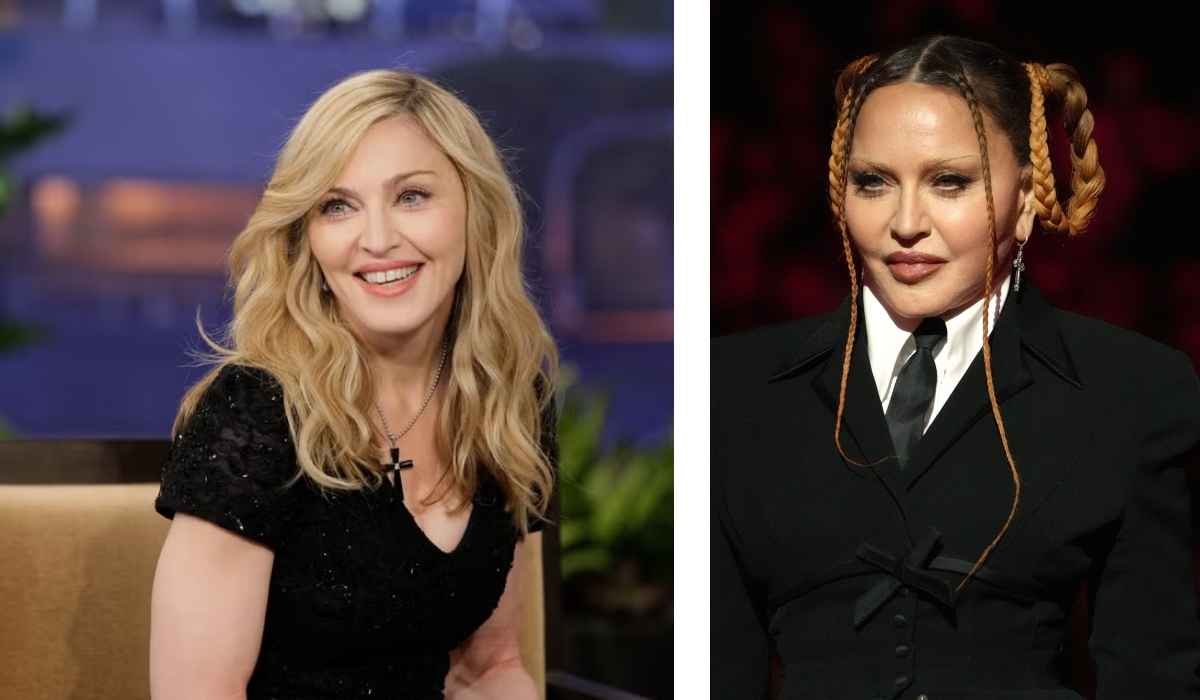
The cultural landscape of modern music has been shaped by many extraordinary visionaries, but few figures match the enduring impact and revolutionary spirit of Madonna. From her early days navigating the gritty streets of New York City with little more than a dream and a pair of dance shoes, she systematically dismantled conventional barriers surrounding female artistry. By constantly reshaping her musical style, visual presentation, and public persona, she transformed herself from an ambitious dance-pop newcomer into an undisputed global phenomenon.
Her fearless approach to addressing social, political, and religious themes through high-concept music videos and theatrical stage productions redefined what it meant to be a pop superstar. Decades after her initial chart success, her legacy continues to inspire successive generations of performers who strive to achieve her level of creative control, business acumen, and cultural resonance.
Quick Bio
| Attribute | Detail |
| Full Name | Madonna Louise Ciccone |
| Date of Birth | August 16, 1958 |
| Place of Birth | Bay City, Michigan, United States |
| Profession | Singer, Songwriter, Actress, Dancer, Entrepreneur |
| Years Active | 1979–Present |
| Notable Title | Queen of Pop |
Early Life and Michigan Roots
Growing up in a large Midwestern family provided Madonna with a sense of resilience that later defined her professional journey. Born in Bay City, Michigan, she experienced profound personal loss at a very tender age when her mother passed away from cancer. This tragic event forced her to mature quickly, taking on domestic responsibilities and developing an independent streak that separated her from her peers.
During her school years, she channeled her internal emotions into dance and academic pursuits, showcasing a fierce determination to stand out. Her teachers and family members often noted her intense drive and unconventional perspective on life. These formative years in Michigan laid the emotional foundation for a young woman who was destined to seek out a much larger global stage far beyond her hometown limits.
Moving to New York City
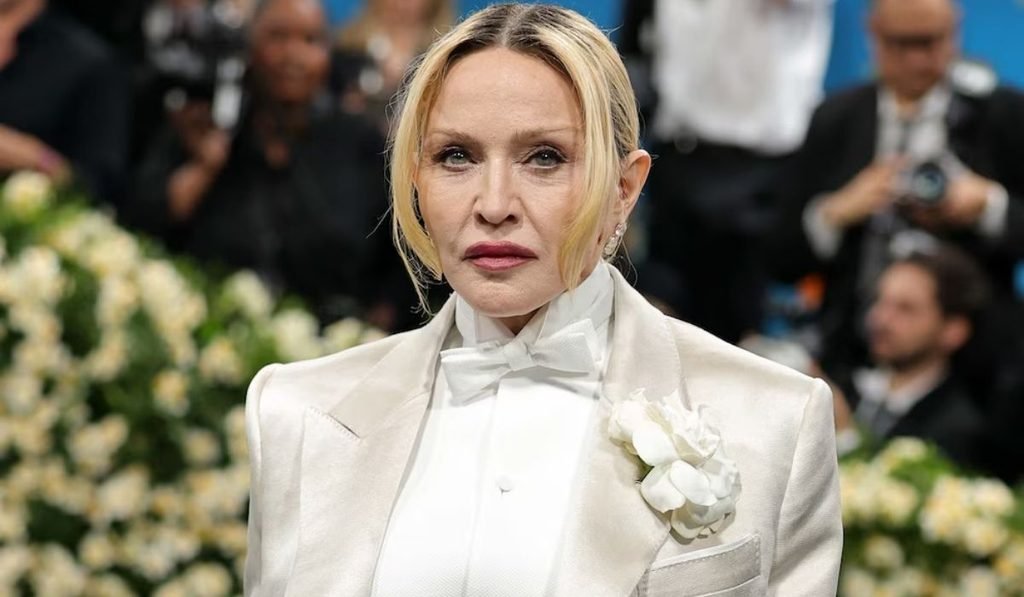
Leaving behind the familiar comforts of the Midwest, a young Madonna arrived in New York City with only thirty-five dollars in her pocket and an unyielding ambition. The urban environment of the late nineteen-seventies was harsh, gritty, and financially unforgiving, forcing her to take on various low-wage jobs, including working at a fast-food counter, just to pay rent. Despite the daily hardships, she immersed herself completely in the city’s vibrant underground arts community, studying modern dance under renowned instructors.
This rigorous physical training shaped her stage presence and taught her how to command spatial awareness with absolute authority. New York tested her limits every single day, yet the challenges only served to harden her resolve. She knew that her unique artistic vision would eventually find an outlet, and she treated every audition and rehearsal as a crucial stepping stone toward stardom.
The Dawn of a Musical Career
Transitioning from contemporary dance into the competitive music industry required immense tactical planning and networking within local underground circles. Madonna initially joined forces with various early musical ensembles, playing drums and providing backing vocals for alternative rock groups like the Breakfast Club. These collaborative projects allowed her to understand the mechanics of songwriting and the dynamics of live band performances.
Recognizing that her true potential lay in front of the microphone as a solo act, she began recording demo tapes that caught the attention of prominent downtown DJs and record executives. Securing her first recording contract marked the official beginning of a meteoric rise that would alter the trajectory of commercial radio. Her innate ability to blend infectious club rhythms with urban attitude made Madonna an instant fixture in dance clubs across the eastern seaboard.
Breaking Out with Self Titled Debut
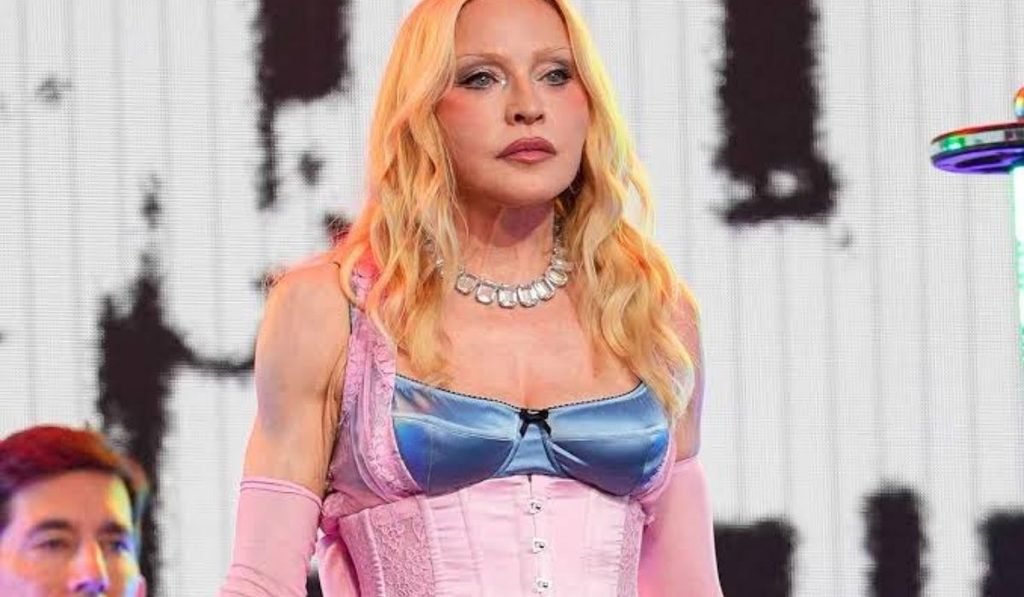
The release of her self-titled debut album in nineteen eighty-three signaled a seismic shift in how dance music was produced, packaged, and marketed to the masses. Backed by driving electronic basslines and crisp synthesizer arrangements, tracks like Holiday and Everybody dominated urban radio formats and packed underground dance floors nightly. Madonna understood early on that visual branding was just as vital as acoustic quality, crafting a distinct street-smart aesthetic featuring layered rubber bracelets, mesh tops, and untamed hair.
Critics initially underestimated the long-term viability of her upbeat club anthems, dismissing them as fleeting novelties. However, consumer demand proved otherwise as the record steadily climbed the national charts, validating her commercial viability and establishing Madonna as a fresh new voice with undeniable pop sensibilities.
Global Superstardom Through Like a Virgin
Achieving international superstardom came swiftly with the release of her sophomore studio album, which shattered conventional sales records and pushed cultural boundaries. The title track became a historic pop anthem, spending weeks at the pinnacle of the charts and cementing Madonna as a household name across multiple continents. Her unforgettable performance at the inaugural MTV Video Music Awards, where she emerged atop a giant wedding cake in a bridal ensemble, forever transformed how television viewers perceived live music presentation.
This strategic blend of provocative imagery and catchy songwriting sparked intense public debates regarding morality and artistic expression. Rather than shying away from the controversy, Madonna leaned into the public discourse, utilizing the media spotlight to amplify her reach and ensure that Madonna remained the most talked-about entertainer in the entire world.
Master of Reinvention and Image Evolution
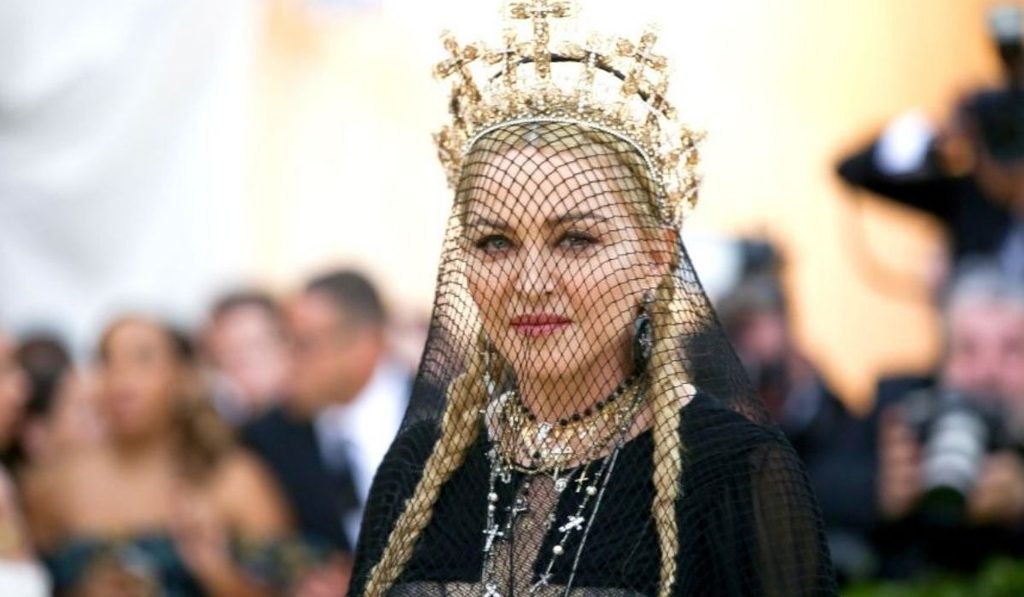
Maintaining a long-term career in the fast-paced entertainment industry requires an extraordinary capacity for transformation, a skill that Madonna mastered better than anyone else. Instead of resting on the comfortable formula of her early dance hits, she continuously altered her visual identity and musical palette with every subsequent project. Whether adopting a sleek retro Hollywood glamour look, exploring earthy acoustic instrumentation, or diving deep into electronic dance music, she treated each album era as a complete theatrical rebirth.
This constant cycle of reinvention kept audiences guessing and prevented her from ever becoming pigeonholed as a nostalgic throwback act. Cultural critics began to analyze her career shifts as masterclasses in modern marketing and artistic evolution, proving that Madonna could seamlessly navigate changing generational tastes while retaining her core identity.
Expanding Horizons into Cinema and Acting
Beyond her immense success in the recording studio, Madonna pursued a parallel career in motion pictures, seeking to conquer the silver screen with the same intensity. She took on diverse film roles ranging from lighthearted comedies to dramatic musical biographies, working alongside acclaimed directors and fellow Hollywood heavyweights. Her crowning cinematic achievement arrived when she starred as Eva Perón in the critically acclaimed film adaptation of the musical Evita, a performance that earned her a prestigious Golden Globe Award for Best Actress.
While not every cinematic venture achieved box office dominance, her willingness to take high-profile acting risks demonstrated her refusal to be confined to a single medium. Madonna viewed filmmaking as another essential canvas through which she could exercise total creative control and expand her storytelling capabilities.
Business Acumen and Entrepreneurial Ventures
Long before contemporary pop stars routinely launched fashion lines and lifestyle brands, Madonna established herself as a shrewd corporate entrepreneur and independent businesswoman. In nineteen ninety-two, she partnered with major corporate entities to create her own multi-media entertainment company, retaining ownership stakes in her sound recordings, publishing assets, and merchandising. This bold corporate move sent shockwaves through the music industry, proving that artists could successfully negotiate unprecedented financial terms by betting on their own commercial value. She subsequently launched successful global perfume lines, fitness club franchises, and youth-oriented fashion collections that resonated strongly with younger demographics. Through these diverse business initiatives, Madonna secured her financial independence and proved that artistic creativity and corporate success could coexist harmoniously.
Pioneering Visuals and Music Videos
The modern music video landscape owes an immeasurable debt to the artistic risks and visual storytelling techniques championed by Madonna throughout her storied career. Collaborating with visionary directors, she transformed three-minute promotional clips into high-art cinematic statements that explored complex themes of religion, sexuality, race, and politics. Videos like Like a Prayer pushed the boundaries of corporate sponsorship and religious imagery, sparking global conversations and occasional boycotts that only served to elevate her cultural prominence.
She understood that television was the most powerful medium of her generation, utilizing MTV as a personal gallery to showcase her evolving artistic statements. By demanding high production values and narrative depth, Madonna ensured that every visual release felt like an event, cementing Madonna as a true pioneer of the music video medium.
Redefining Female Sexuality and Empowerment
Few artists have faced as much public scrutiny regarding gender norms and sexual expression as the legendary singer who consistently challenged patriarchal expectations. From the very beginning of her career, she seized absolute control over her own body and image, rejecting the passive role traditionally assigned to women in the entertainment industry. She used provocative performances and unapologetic lyrical content to subvert double standards, arguing that female desire should be expressed openly and without shame.
While her bold choices frequently drew condemnation from conservative critics and religious organizations, they empowered millions of fans to embrace their own individuality. Decades later, the cultural battles that Madonna fought paved the way for modern female artists to speak their minds and command respect on their own terms.
Chart-Topping Dominance and Global Records
The statistical achievements and commercial milestones accumulated by Madonna over the decades place her in an elite tier of recording history. With hundreds of millions of records sold worldwide, official industry bodies consistently recognize her as the best-selling female recording artist of all time. She holds numerous records for the most number-one singles on specialized dance charts and consecutive chart-topping albums across multiple decades. Her ability to consistently return to the summit of the global music charts highlights a rare longevity that defies standard industry aging curves. Music historians frequently study her catalog to understand the formulas behind sustained chart success, noting that Madonna always managed to stay one step ahead of shifting commercial trends.
Record-Breaking Stadium Tours and Live Performances
As a live performer, Madonna redefined the scale and theatrical ambition of global concert tours, setting new benchmarks for audience attendance and stage production. Her world tours were massive multimedia spectacles featuring elaborate costume changes, intricate choreography, state-of-the-art lighting designs, and powerful political statements. Fans queued for days across major international cities just to secure tickets for experiences that combined high-energy dance routines with intimate acoustic moments. These massive undertakings required peak physical conditioning, proving her dedication to delivering an unforgettable show night after night. Box office tallies consistently placed her tours among the highest-grossing in entertainment history, reinforcing the fact that Madonna remained an unmatched live draw throughout successive generations of concertgoers.
Philanthropic Pursuits and Humanitarian Work
Beyond her glittering stage career, Madonna has maintained a deep commitment to global philanthropy, directing significant resources toward humanitarian crises and charitable foundations. She established major charitable organizations focused on improving the living conditions of orphans and vulnerable children in impoverished regions of East Africa, funding schools, healthcare facilities, and agricultural programs. During the height of the global health crises in the eighties and nineties, she actively supported research initiatives and advocacy campaigns for AIDS awareness. Her philanthropic efforts often extend beyond mere financial contributions, as she frequently uses her massive public platform to bring international attention to systemic poverty and human rights violations, proving that Madonna cares deeply about global welfare.
Navigating Controversies and Media Scrutiny
Living life entirely in the public eye inevitably attracts intense media scrutiny, and Madonna has weathered countless controversies throughout her turbulent time in the spotlight. Tabloids frequently dissected her romantic relationships, parenting choices, and personal style, often attempting to reduce her complex career to sensationalist headlines. However, she routinely weaponized the negative press, turning public critique into fuel for her creative output rather than letting it derail her ambitions. Her resilience in the face of relentless judgment demonstrated a thick skin forged by years of industry survival. By refusing to apologize for her choices or tone down her outspoken personality, Madonna proved that true icons dictate their own narratives regardless of what external critics might write.
Musical Collaborations and Industry Influence
Throughout her extensive discography, Madonna collaborated with a diverse roster of cutting-edge producers, songwriters, and featured artists who helped shape her evolving sonic palette. From working with early dance architects to partnering with contemporary hip-hop hitmakers and electronic music innovators, she always sought out fresh creative voices. These collaborative efforts resulted in genre-defying tracks that bridged the gap between underground club culture and mainstream pop radio. Younger musicians frequently cite the opportunity to work alongside her as a defining moment in their own artistic journeys. By actively mentoring and uplifting rising talent, Madonna ensured that her influence extended deep into the production booths and writer’s rooms of the modern music ecosystem.
Embracing Diverse Cultural and Spiritual Paths
Personal growth and spiritual exploration have played a major role in shaping the worldview and artistic output of Madonna during her adult life. Raised in a strict Catholic household, she frequently incorporated religious iconography into her early art as a form of personal dialogue with her upbringing. In later years, she deeply explored mystical traditions, Eastern philosophies, and philanthropic spiritual communities that emphasized inner peace and charitable living. These profound explorations frequently leaked into her song lyrics, album themes, and public interviews, offering fans a glimpse into her evolving philosophy. This willingness to publicly examine her own spiritual doubts and epiphanies allowed Madonna to connect with her audience on a much deeper, more vulnerable level.
Evolution of Fashion and Style Iconography
As a undisputed global fashion icon, Madonna transformed clothing into a primary medium for artistic expression, dictating global style trends across multiple decades. From her iconic lace bows and layered skirts in the eighties to futuristic metallic bodysuits and high-fashion couture looks in later years, her wardrobe choices were studied by designers worldwide. Major fashion houses routinely competed to dress her for red carpet appearances and concert tours, recognizing her unmatched ability to popularize avant-garde aesthetics. Her influence on the runway proved that pop music and high fashion are inextricably linked. By continuously redefining her visual signature, Madonna ensured that her cultural footprint extended far beyond the realm of audio recording into the history of modern design.
Cultural Impact on Successive Generations
The cultural footprint left by Madonna can be measured by the countless contemporary pop superstars who openly acknowledge her as their primary musical inspiration. Artists across pop, hip-hop, and R&B genres frequently adopt her blueprint of absolute artistic control, visual reinvention, and fearless self-expression. She shattered the metaphorical glass ceiling for women in the entertainment business, proving that female performers can dictate their own commercial and artistic terms well into their mature years. Academics study her career impact in university classrooms, analyzing her role in shaping modern media studies and feminist theory. The cultural path she forged ensures that Madonna remains an eternal benchmark for excellence in the global entertainment industry.
Honors Awards and Industry Recognition
Over a career spanning more than four decades, Madonna has amassed an extraordinary collection of prestigious honors, industry awards, and global accolades. She has secured multiple Grammy Awards, prestigious songwriting citations, and lifetime achievement honors from major cultural institutions around the world. Her formal induction into the Rock and Roll Hall of Fame cemented her status as a foundational pillar of modern popular music history. Furthermore, Guinness World Records has repeatedly recognized her unrivaled commercial achievements in album sales and concert touring. These formal accolades serve as official validation of a lifetime dedicated to pushing creative boundaries and redefining the very nature of global superstardom.
Continuing Legacy and Future Horizons
Even as the music industry undergoes rapid technological transformations, Madonna continues to command attention, break records, and shape contemporary cultural conversations. Her recent musical releases and multi-platinum archival projects prove that her creative engine burns just as brightly today as it did during her early days in New York. She remains actively engaged in public life, supporting social causes, mentoring emerging artists, and planning ambitious new creative ventures that challenge industry expectations. Her refusal to slow down or fade into quiet retirement serves as an inspiration to fans of all ages. Looking toward the future, the enduring influence of Madonna guarantees that her royal status as the Queen of Pop will remain completely unchallenged for generations to come.
Frequently Asked Questions
- When was Madonna born?
- Madonna was born on August 16, 1958.
- What is Madonna’s most famous nickname?
- She is widely referred to as the Queen of Pop.
- How many records has Madonna sold worldwide?
- She has sold over 300 million records, making her the best-selling female artist of all time.
- When was Madonna inducted into the Rock and Roll Hall of Fame?
- She was inducted into the Rock and Roll Hall of Fame in 2008.
- Which film earned Madonna a Golden Globe Award?
- Her starring role as Eva Perón in the 1996 film Evita earned her the Golden Globe Award for Best Actress.